
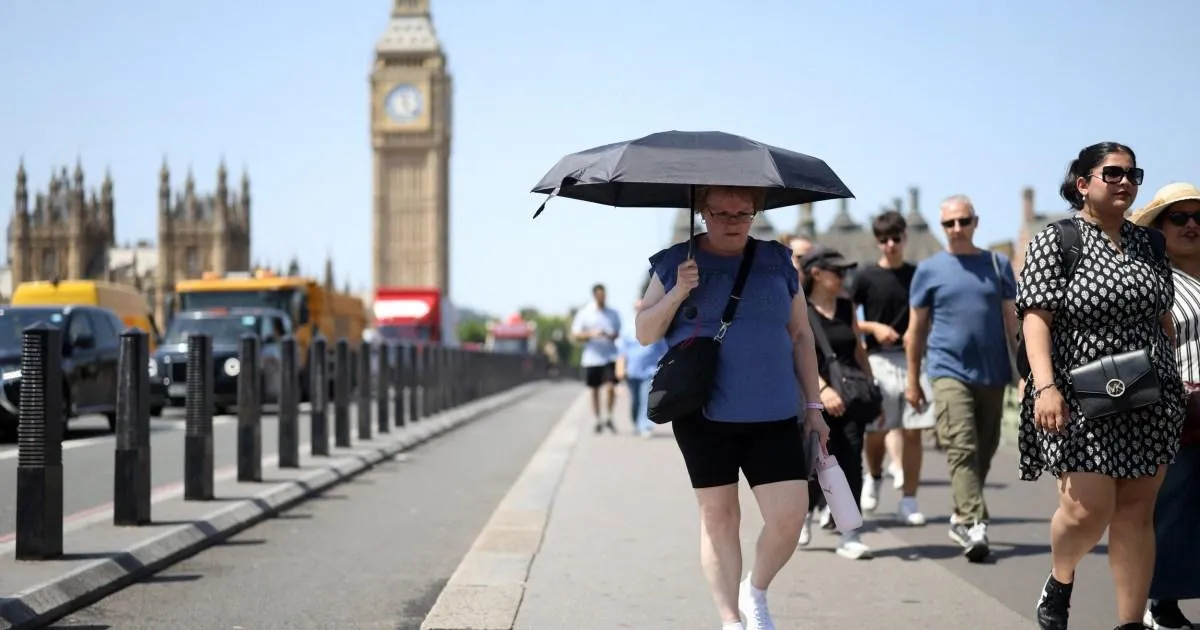
The sweltering heatwave currently gripping the UK serves as a stark, sweaty reminder that extreme weather is no longer an anomaly, but our new reality. With temperatures climbing toward 35°C, parts of southern England and Wales are reeling under red weather warnings, turning public spaces into furnace-like environments. Even the hallowed, tradition-bound halls of Westminster have had to bend to the humidity, with Speaker Lindsay Hoyle taking the rare step of allowing male journalists to shed their suit jackets in the Press Gallery. It is a small, pragmatic concession to the heat, but one that highlights a much broader, uncomfortable truth: our infrastructure and our daily routines are increasingly ill-equipped for the climate we are now living in.
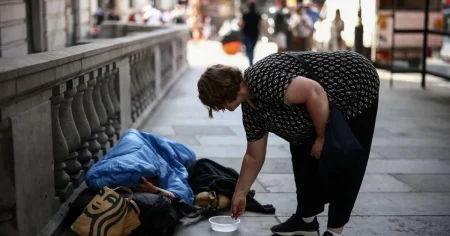
As the mercury rises, the human cost is becoming impossible to ignore. The Liberal Democrats have urgently called for the government to establish “cool hubs”—designated, air-conditioned public spaces where the most vulnerable can seek sanctuary from the heat. Beyond immediate relief, there is a growing consensus that we must prioritize long-term investment in the cooling of our schools, hospitals, and care homes. Greta Thunberg recently reminded the global community that this heat is likely just the beginning, signaling that the “once-in-a-generation” weather events of the past are rapidly becoming an annual headache that we are currently woefully unprepared to manage.
Inside Parliament, the debate over how to handle this shift has become as heated as the weather itself. During Prime Minister’s Questions, Sir Keir Starmer emphasized the need for national resilience, pointing toward modernized building regulations as a means to help homes better withstand extreme temperatures. Climate change has officially moved from a distant policy concern to a daily political clash; the Prime Minister wasted little time positioning his government against the opposition, particularly Reform UK, who have proposed dismantling the very laws and targets intended to mitigate this exact type of crisis.
The political divide on environmental strategy is widening. While both the Conservatives and Reform have suggested that net-zero commitments act as a drag on economic growth and inflate costs for families, the Labour government is attempting to strike a delicate balance between fiscal pragmatism and environmental responsibility. Energy Secretary Ed Miliband has emerged as the central figure in this narrative, tasked with championing a greener future while navigating the complex, and often contradictory, demands of the energy sector.
This internal tension was brought into sharp focus by reports regarding the Jackdaw gas field in the North Sea. There is speculation that Miliband, allegedly eyeing a move to the Treasury, might be willing to approve further drilling to signal stability to the business community—an act that would undoubtedly draw the ire of climate campaigners. It is a classic, cynical political gamble: by prioritizing economic “growth” through fossil fuel expansion, he risks undermining the very climate goals that his own government claims to champion. It perfectly encapsulates the modern struggle, where the immediate pressure of an election cycle or a promotion often outweighs the existential threat posed by a changing climate.
Ultimately, days like these are a visceral wake-up call, proving that the abstract data of climate change has tangible,, personal consequences. Whether it is a tree collapsing onto a home or an elderly neighbor struggling in a stifling flat, the impact of our environmental choices is beginning to hit home. As we debate energy policy, infrastructure upgrades, and building regulations, we are forced to confront the fact that we are managing a crisis that we haven’t yet fully accepted. Unless we reconcile our economic ambitions with the physical limits of our planet, the “bloody roasting” weather of today will simply be remembered as the cool, comfortable days of the past.