


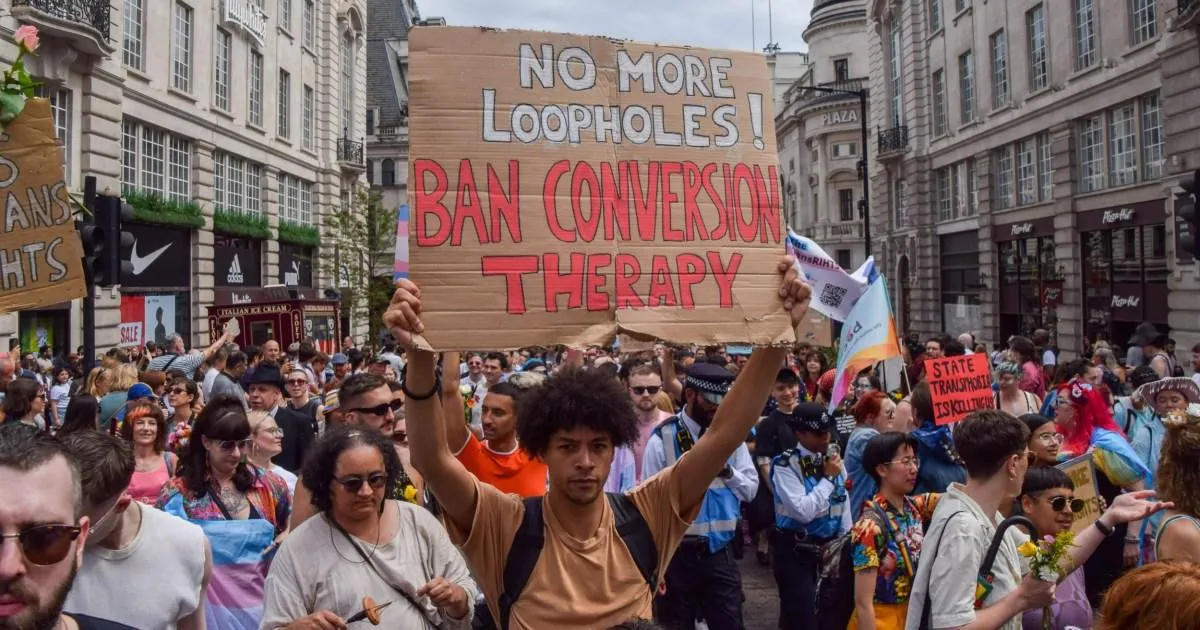
The release of a draft bill to outlaw LGBTQ+ conversion practices represents a watershed moment for human rights in England and Wales, signaling a definitive move toward ending a deeply discredited and harmful set of behaviors. For years, the promise of such legislation has been a political football, tossed between administrations and repeatedly delayed, leaving a vulnerable community in a state of uncertainty. While previous governments failed to turn rhetoric into reality—dropping the issue from the King’s Speech under Rishi Sunak—the current administration has finally broken that cycle of hesitation. By formalizing this draft, the government is acknowledging that behind the sterile label of “conversion therapy” lies a range of harrowing experiences, from psychological manipulation and coercive prayer to outright physical violence and exorcism.
At its core, this legislation is a long-overdue response to a movement led by survivors, clinicians, and faith leaders who have refused to remain silent. Saba Ali, Chair of the Ban Conversion Practices Coalition, aptly described this step as a hard-won victory for the people who endured these practices and for the eighty-plus organizations that campaigned tirelessly for recognition. It is important to emphasize that this is not merely a policy change; it is a moral acknowledgement. It validates the stories of those who were forced to endure attempts to “change” their core identity, sending a clear message that being LGBTQ+ is not a condition to be treated or cured, but an inherent aspect of the human experience that deserves protection rather than condemnation.
The proposed law seeks to strike a delicate balance by specifically targeting acts that cause “serious harm, alarm, or distress.” Under the draft proposals, those found guilty of conducting these abusive practices—or even encouraging them abroad—would face severe consequences, including unlimited fines and prison sentences of up to five years. This “high bar” for criminality is an intentional effort to ensure that the bill does not mistakenly criminalize the everyday, open-ended conversations that are vital to personal growth. The government has been clear that it has no interest in policing private exploration; rather, its focus is firmly fixed on the malicious and coercive efforts to strip individuals of their autonomy and identity.
A significant point of discussion regarding this draft is its “trans-inclusive” nature, a commitment that was central to the Labour Party’s 2024 manifesto. By including transgender individuals in these protections, the bill avoids the fractured approach seen in previous debates, acknowledging that the harm caused by conversion practices is both widespread and indiscriminate. Equalities Minister Olivia Bailey articulated the government’s stance succinctly: these practices are rooted in the harmful, archaic belief that being LGBTQ+ is something shameful that needs to be “fixed.” By codifying a ban, the government is reframing the conversation from one of “ideological debate” to one of fundamental physical and psychological safety for all citizens.
Despite the optimism surrounding this announcement, the government has opted for a period of wider consultation before the bill enters the formal legislative timeline. While some advocates, such as MP Kate Osborne, have pushed for an immediate, fast-tracked rollout, the government’s decision to allow for public discourse is aimed at building a “genuine consensus” in an area of law that is notoriously complex. For those who have been waiting years for justice, this means a slightly longer wait for the law to take effect. However, officials argue that this patience is necessary to draft a robust piece of legislation that can withstand scrutiny and effectively “close the loopholes” currently exploited by those who operate in the shadows of the law.
Ultimately, this draft bill stands as a testament to the power of persistent advocacy. It brings the UK closer to a standard of equality where a person’s sexuality or gender identity is recognized as a fundamental truth that no one has the right to suppress through abuse. As the legislation navigates the parliamentary process, the focus will remain on the safety of the community it intends to protect. By setting firm boundaries against abuse while protecting the integrity of honest, consensual dialogue, the government is attempting to ensure that future generations will not have to endure the trauma that so many survivors have spent their lives trying to overcome. This is not just a triumph of policy; it is a victory for dignity.