

It feels like only yesterday that our dinner tables and social media feeds were battlegrounds for the great Brexit debate, yet looking back, it feels as though a century has passed. The intense friction of 2016 seems to have soured into a collective exhaustion, with recent polling suggesting that 55% of Britons would now support rejoining the EU—a staggering flip that begs the question of whether we have truly evolved or simply traded one frustration for another. As we cross the ten-year mark since that life-altering referendum, it is worth stepping back from the partisan shouting to objectively mark the homework of the Brexit project, evaluating whether the ambitious promises made on the campaign trail actually translated into reality for the average person.
The most visceral impact of Brexit has arguably been on our wallets, specifically regarding food prices. The dream of a cheaper, more independent grocery bill simply never manifested; instead, we find ourselves grappling with complex trade barriers that have added significant costs for importers and retailers alike. While the global turbulence of Covid, inflation, and international conflict undeniably played a role, it is impossible to ignore that these structural changes to how we trade with our closest neighbors have made our weekly shop significantly more expensive. When you add the broader economic consensus—that the UK economy is smaller today than it would have been had we remained—the narrative of a “great golden age” of economic liberation feels increasingly frail.
Trade and infrastructure painted a picture of a streamlined, independent Britain, but the reality has been far more bureaucratic. Small businesses, in particular, have found themselves entangled in a web of new forms, invoices, and customs friction that replaced the frictionless flow of the single market. Even the most emotionally charged promise of the era—the infamous £350 million-a-week “NHS dividend” splashed across a campaign bus—has proven to be a masterclass in political misdirection. While the NHS has received more funding, it hasn’t been the simple, magical windfall once promised, and the system continues to struggle with the very staffing and supply chain issues that Brexit was supposed to help solve.
Looking at the social landscape, the issue of immigration remains a political lightning rod that scorched everyone who dared to touch it. While the primary goal of ending free movement was achieved, the resulting data reveals a complex reality: we have gained control of our policy, yet record levels of migration persist, leaving voters across the spectrum feeling that the promise of a “closed door” was never truly part of the bargain. Similarly, the noble goal of “levelling up” the long-neglected parts of the UK has yielded mixed, often invisible results. Without a clear definition of what “leveling up” actually meant, funding has been distributed in ways that rarely feel transformative to the people living on the ground, leaving many to wonder if the project was more about rhetoric than genuine regional revitalization.
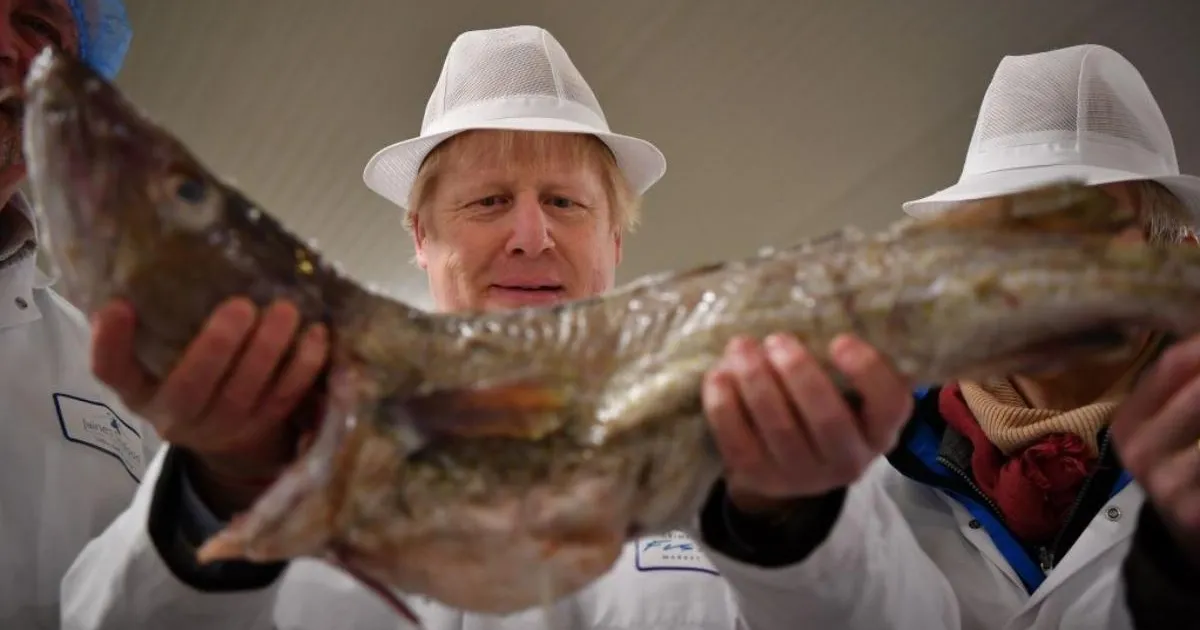
There are, however, nuances to this assessment. The fishing industry, which became a potent, if somewhat disproportionate, symbol of the entire movement, did gain a larger share of control over domestic waters. While not the total triumph some activists touted, it represents an objective gain in sovereignty that is difficult to dismiss entirely. This leads us to the most successful pillar of the Brexit campaign: “Taking Back Control.” By any metric, Britain did successfully reclaim its legislative autonomy, ending the supremacy of EU law and bringing trade policy back to Westminster. The irony, which defines the current national mood, is that while we undeniably took back the steering wheel, we have spent much of the last decade arguing over where exactly we are supposed to be driving.
Ultimately, marking the homework of Brexit leaves us with a scorecard of contradictions. We traded economic friction and administrative complexity for the pride of institutional sovereignty, yet we remain a nation divided on the value of that exchange. Perhaps the true lesson of the last ten years isn’t about whether we were “right” or “wrong” to leave, but rather about the sobering realization that political slogans rarely survive contact with reality. Whether you believe we are on a path to a brighter future or a casualty of a grand political experiment, one thing is clear: we are still arguing about the same things, only now we have ten years of data to fuel the fire.