


The push to restrict social media access for children under 16 in the United Kingdom has reached a critical juncture, moving from a point of intense public debate to the brink of government action. Following a high-profile consultation that concluded in late May, the UK government is under immense pressure to deliver a solution that addresses the growing anxieties of parents everywhere. With campaigners and members of the House of Lords demanding swift intervention, the legislative landscape is shifting rapidly. Science and Technology Secretary Liz Kendall has signaled that the current status quo is unsustainable, hinting that a formal ban is not just a possibility, but a priority, with an official response expected to arrive within a matter of weeks.
The government’s stance is heavily influenced by the sheer volume of public sentiment channeled through the recent consultation, which saw upwards of 100,000 responses, including a significant majority of parents who favor stricter regulation. For many families, the call for a ban feels like a necessary defense against a digital environment that many feel has become impossible to navigate safely alone. Kendall has acknowledged this, noting that while no final decision has been formally sealed, leaders recognize that parents are desperate for real, impactful support. This suggests that the government is moving away from a hands-off approach and toward a model of active oversight, viewing the current wave of public opinion as a clear mandate for change.
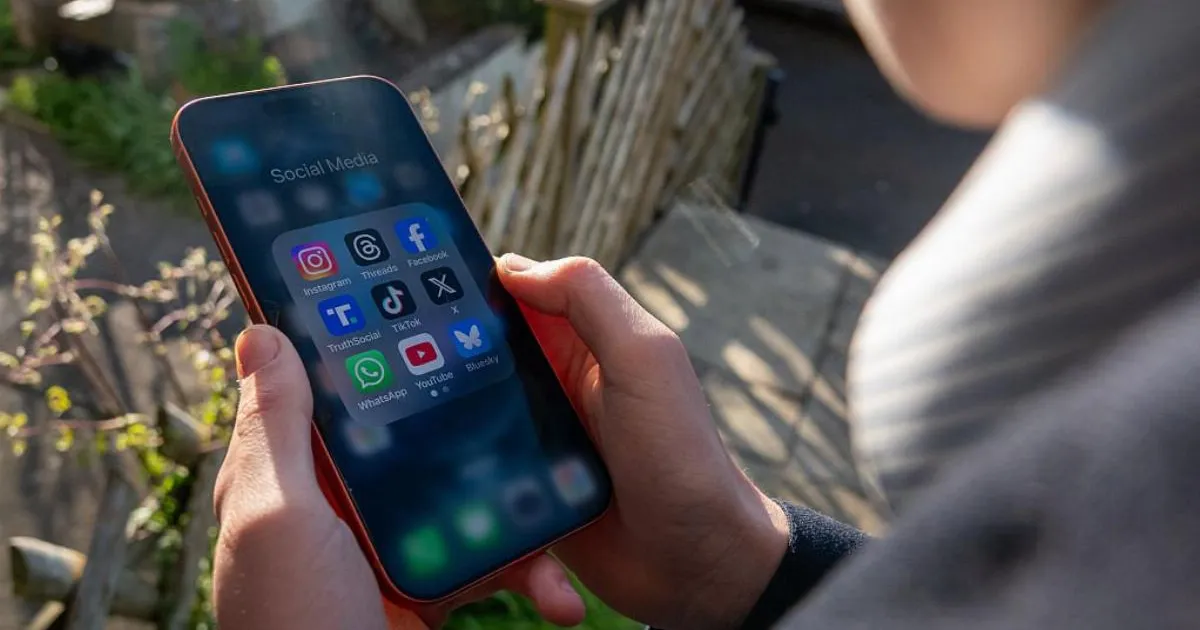
However, the architecture of such a ban is far more nuanced than a simple “off” switch for the internet. If the UK mirrors the strategy currently being implemented in Australia—which has served as a global blueprint—the restrictions would likely be surgical rather than universal. Reports suggest that educational and wholesome versions of platforms, such as YouTube Kids, would remain accessible, ensuring that children can still benefit from screen-based enrichment. By targeting major social networks like TikTok, Instagram, and X, the goal is not to isolate minors from technology, but to insulate them from the algorithm-driven environments that have become synonymous with anxiety, cyberbullying, and negative body image.
Despite the momentum toward regulation, the path forward is not without its thoughtful critics. Experts and child advocates, including Scotland’s Children’s Commissioner Nicola Killean, have sounded a note of caution, arguing that we are essentially participating in a global “social experiment” without enough long-term data to predict the consequences. There is a genuine fear that a blanket ban might oversimplify a complex issue, shifting the burden of safety onto children themselves or driving their online presence into less regulated, potentially more dangerous corners of the web. Critics argue that we should remain hesitant to implement wide-reaching policies until we have a clearer picture of how these legislative measures actually perform in practice.
The challenge facing the Department of Science, Innovation and Technology is to thread the needle between “effective” and “enforceable.” Officials are adamant that they will not move blindly; they are looking for a strategy that addresses the urgent demands of parents while standing up to the realities of modern digital engagement. The promise is for a policy that is not just performative, but genuinely protective. By framing their approach around efficacy, the government is trying to reassure the public that they are aware of the technological hurdles and are committed to creating a framework that can actually be policed, rather than just empty rhetoric that gets lost in the digital noise.
Ultimately, the debate over social media is a reflection of our collective struggle to raise a generation in a world that didn’t exist twenty years ago. As the UK government prepares its final report, the tension remains palpable between those who believe regulation is a fundamental duty of the state and those who think that, when it comes to technology, we still have a lot more to learn. Regardless of the final decision, this process has sparked an essential national conversation about the responsibility of platforms and the role of oversight in a digital age. For now, parents and pundits alike are waiting to see if this impending ban will be the turning point that finally gives families a sense of control in an increasingly fragmented online world.