

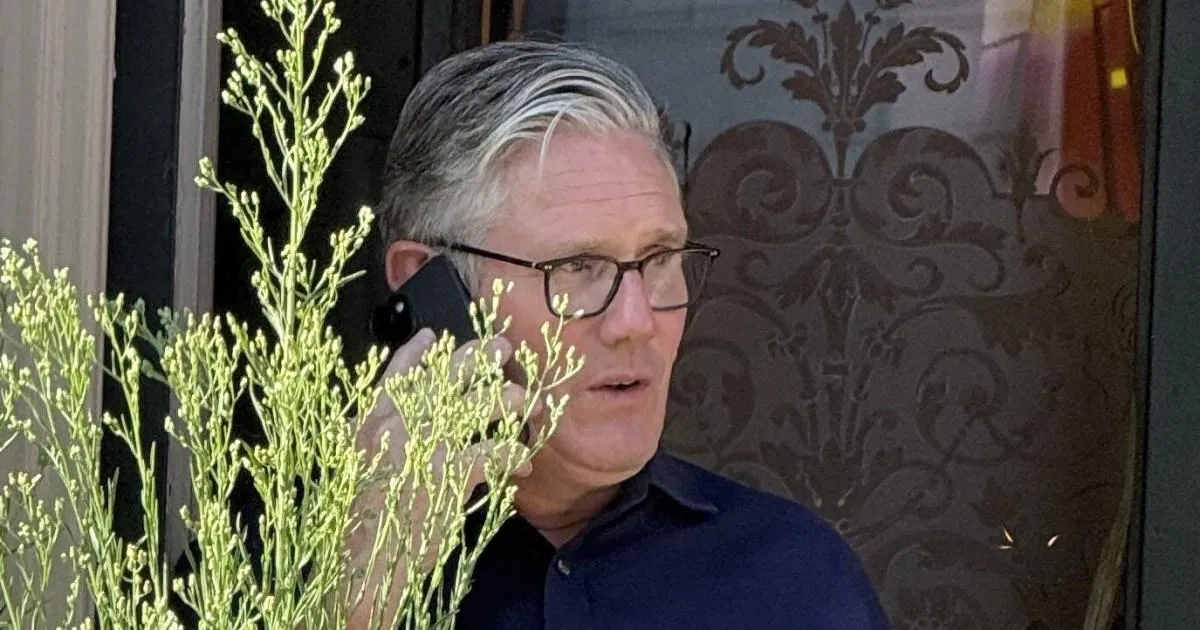
In our culture, there is a sacred hierarchy of pints—the quick drink at the takeaway while waiting for a curry, the sunset beer on a holiday balcony, or that strange, euphoric 8:00 a.m. pint forced down at the airport before a flight. These moments offer a rare, fleeting sense of decompression that defines our down-time. Yet, surely none of these can compare to the beer Keir Starmer was spotted clutching yesterday. After navigating the high-pressure, often brutal world of the Premiership, being “bombed out” of Downing Street must make the subsequent walk to the local pub feel like a profound release. For a man who spent his two-year tenure trying, often stiffly, to appear like an ordinary bloke, this final, unscripted act of rebellion felt like his most genuine moment in the spotlight.
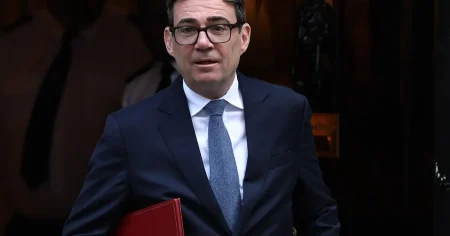
The irony of the situation lies in how Starmer’s leadership was perceived compared to his departure. His time in office was undeniably turbulent, marked by internal party pressure and a resignation that ultimately came with a surprising degree of grace. Rather than clinging to the iron gates of No. 10 once his time was up, he stepped aside for his successor, Andy Burnham, with a level of dignity that surprised even his detractors. Once the keys were handed over, Starmer disappeared into the pub to share a few quiet rounds with his aides. It was a stark contrast to the performative “everyman” posturing often seen from other politicians, and for a fleeting moment, the public seemed to see past the policy failures to the person sitting at the table.
The reaction to these candid photos was a mixture of genuine relatability and predictable partisan noise. While some critics were quick to scoff at the sight of an outgoing leader enjoying a drink while the country grapples with major challenges, the overwhelming consensus across the digital divide was surprisingly forgiving. Many onlookers, regardless of their political allegiance, pointed out that they would likely be doing the exact same thing in his shoes. There was an admission that even the staunchest of rivals could recognize the human desire to seek sanctuary in a familiar pub after a long, difficult chapter of professional turmoil.
Delving deeper into this moment, one cannot help but find the criticism from certain corners of the political spectrum quite transparently ironic. Critics who have spent years championing figures like Nigel Farage—who often leans into the “pub culture” aesthetic as a calculated political tool—seemed particularly incensed by Starmer’s beer. If the pub is indeed the ultimate testing ground for British authenticity, Starmer’s understated moment of reflection felt far more authentic than a staged photo-op. It highlighted the core failure of his premiership: he struggled to show the public who he really was while in power, often appearing guarded, stiff, or painfully over-prepared when forced to discuss his personal life or hobbies.
Ultimately, watching Starmer on his phone—presumably navigating the awkward, quintessential chore of calling home to explain he’s having “one last drink” before heading back to real life—was a mirror held up to the voter. It captured the universal experience of needing a cathartic exhale after a period of immense stress. Whether or not his successor, Andy Burnham, proves to be a more accessible or effective leader—or whether the high-stakes pressure of Number 10 eventually renders all Prime Ministers incapable of “normality”—remains to be seen. But for one afternoon, the heavy, curated mask of the politician slipped away.
We can, and should, continue to debate the political merits and legacies of the last two years. Yet, in that unposed, quiet moment in his local pub, it felt incredibly churlish to begrudge a man a cold pint. It wasn’t about politics or policy; it was about the simple, relatable human desire to find comfort in a glass of ale after being pushed out of the most demanding job in the country. For his final act, Starmer finally stopped trying to perform for the cameras and just did what any of us would do. In that, he was no longer the Prime Minister or the party leader; he was just one of us. Cheers, Keir.