


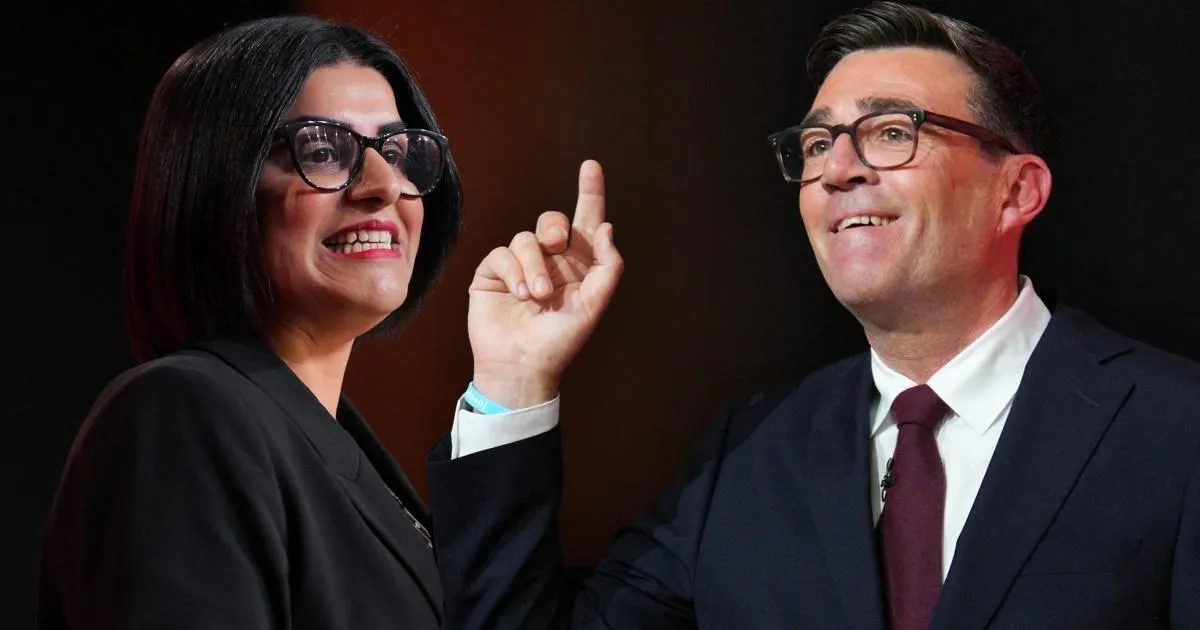
The sheer absurdity of modern political discourse was perfectly captured for me yesterday morning while scrolling through X. I stumbled across a post from ITV News political editor Robert Peston, who described Home Secretary Shabana Mahmood as an “outstanding politician” who is “admired across the political spectrum.” My initial reaction was a reflexive laugh; in the cynical, meme-heavy landscape of social media, I assumed it had to be a parody. Yet, as the realization dawned on me that the veteran journalist was entirely serious, that amusement curdled into genuine concern. This glowing endorsement comes at a pivotal moment, with reports swirling that incoming Labour leader Andy Burnham is considering appointing Mahmood as his Chancellor. For a public weary of political detachment, this potential move feels less like a strategic masterstroke and more like a bizarre misreading of the national mood.
The frustration radiating from the electorate is palpable, particularly because Mahmood’s credentials for managing the nation’s finances are alarmingly thin. While we desperately need an economic visionary to mend the damage left by the current administration, the proposed promotion of the Home Secretary has left many of us baffled. Critics argue she has few quantifiable achievements to her name, and her lack of a substantive background in economics makes the heavy lifting required at Number 11 seem like an odd assignment. This stands in stark contrast to figures like Ed Miliband, whose policy focus—particularly regarding net-zero ambitions—has demonstrated a level of intellectual depth and popular appeal that currently feels ignored by the party’s power brokers.
The weight of this decision is made heavier by the shadow of the current Chancellor, Rachel Reeves, whose perceived incompetence has been a central pillar of Labour’s recent decline. With polling suggesting that over half the country views her performance as a failure—marred by unpopular decisions like the means-testing of Winter Fuel payments and inheritance tax hikes—people were crying out for a clean break. There was a genuine hope that Burnham would usher in an era of renewal. Instead, the prospect of Mahmood taking the Treasury reins suggests an appetite for continuity rather than the radical shift the British public clearly craved when they signaled the end of the Starmer era.
Burnham’s team has hinted at a desire for a Chancellor who will function essentially as a “cipher”—someone to execute his will without deviation. While such a desire for control is perhaps standard for political leaders, it contradicts the “new politics” that Burnham promised in his recent speeches. If he intends to hide behind a loyal subordinate to absorb the blowback from contentious ethical or fiscal decisions, he is not building a new way of doing business; he is merely recycling the old, tired tactics of his predecessors. By bypassing more capable, progressive candidates for a role that requires genuine economic expertise, Burnham risks signaling that his government is built on the same foundations of spin rather than substance.
Furthermore, there is a fundamental disconnect regarding the ideological direction of the Labour Party. Mahmood has become synonymous with a rightward drift that has alienated the party’s traditional base. From her inflammatory stance on immigration—including proposals to seize migrant assets and her vocal admiration for Margaret Thatcher—she stands as a symbol of everything many voters are eager to move away from. Her policies haven’t just been unpopular with the public; they caused internal fractures, with over 20 Labour MPs publicly condemning her reforms during her time as Home Secretary. To push such a divisive figure into the most powerful economic role in the government feels like a profound betrayal of the mandate for change.
In the final analysis, the narrative that Shabana Mahmood is an “outstanding” or universally admired politician is a top-down construction that simply doesn’t hold up to the reality of the street. If Andy Burnham follows through on this appointment, he will be committing a significant political error that risks dragging the Labour Party further toward the right at a time when coherence and compassion are desperately needed. We do not need move towards the far right; we need a government that listens to its people rather than shielding itself behind figures who lack both genuine popularity and economic experience. If Burnham wants to learn from the mistakes of the past, he needs to look past the political establishment’s preferred names and start listening to the reality of the country he intends to lead.