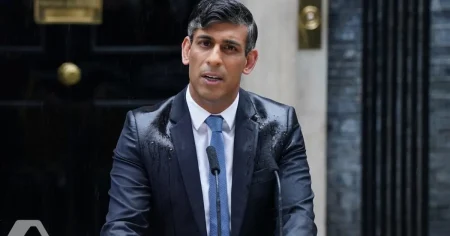




As the sun sets on Keir Starmer’s premiership, the political landscape in London is shifting once more. With a special conference convened to usher in Andy Burnham as his successor, Starmer prepares to hand over the keys to Number 10 after a period of intense transition. It is the natural instinct of any departing leader to look back and wonder what, precisely, will remain of their tenure once the headlines fade and the immediate political maneuvers are forgotten. In this season of legacy-building, we find ourselves reflecting on whether his time in office resulted in structural shifts that will endure for decades, or if his policies are as fleeting as the political winds themselves.
Defining a true political legacy is a difficult task because much of what passes for “governance” is circular. Today’s radical reform can be tomorrow’s legislative repeal, and the pendulum of NHS waiting lists or immigration statistics rarely stays in one place for long. However, looking past the inevitable ebb and flow of daily news, there are specific pillars of Starmer’s government that appear designed to withstand the test of time. These are not merely budget adjustments or tactical pivots, but fundamental changes to the social contract and the nation’s infrastructure that, whether future generations realize it or not, will likely shape the trajectory of British life for years to come.
The first, and perhaps most meaningful, corner of his legacy is the Hillsborough Law. This has been a deeply personal crusade for Starmer, moving beyond the standard scope of partisan politics to address a decades-old wound in the relationship between the state and its citizens. By pushing through a “duty of candour,” the government has established a precedent where public officials can be held legally accountable for dishonesty or evasion during inquiries. As Attorney General Richard Hermer suggested, this isn’t just policy—it is a transformation of the power dynamic between those who govern and those who are governed. It is a safeguard designed to ensure that the tragedy and institutional failure seen at Hillsborough cannot be obscured by bureaucratic silence again.
Beyond the halls of Westminster, Starmer’s impact is felt in the everyday lives of millions through the reform of renters’ rights. While the campaign to end “no-fault” evictions was a long-simmering issue, his administration was the one to move it across the finish line. The impact of this change is profound; by removing the looming threat of sudden eviction and the rigid constraints of fixed-term contracts, the government provided a newfound sense of security to the massive portion of the population that rents. Once the public experiences the dignity and stability granted by these rights, it becomes politically impossible to strip them away. It is a policy that has anchored itself into the fabric of British society, proving that durable change often comes from addressing the fundamental vulnerabilities of the people.
Perhaps the most surprising, yet consequential, part of his legacy lies in the realm of energy policy and technology: the advent of Small Modular Reactors (SMRs). While it may seem like a “rogue” choice compared to social reforms, the decision to facilitate the deployment of these small, flexible nuclear power stations is a forward-looking gamble on the country’s future energy security. By opening up the ability to build these reactors beyond traditional sites and establishing a strategic partnership with Rolls-Royce, Starmer has set the wheels in motion for a shift in how the UK powers its grid. As the global demand for energy—driven further by the insatiable requirements of AI—continues to climb, this technological foundation may prove to be one of his most significant, albeit invisible, impacts on 21st-century infrastructure.
As we stand on the threshold of the Burnham era, there is a certain finality in watching the gears of government turn from one leader to the next. The “Starmer curtain” falling is a reminder that while individual politicians are ephemeral, the structural decisions they navigate eventually sink roots into our collective future. Whether through the pursuit of state honesty, the protection of the home, or the modernization of our power grid, these three areas represent a legacy that is likely to endure long after the political chatter of today goes quiet. Only time will tell the full story of his tenure, but as the flags change at Downing Street, we do so with a clear sense of what has been irrevocably altered.