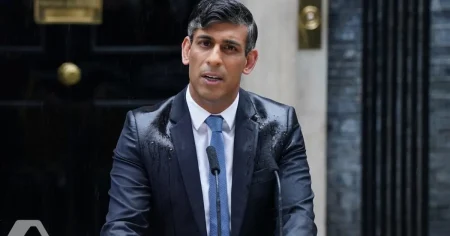



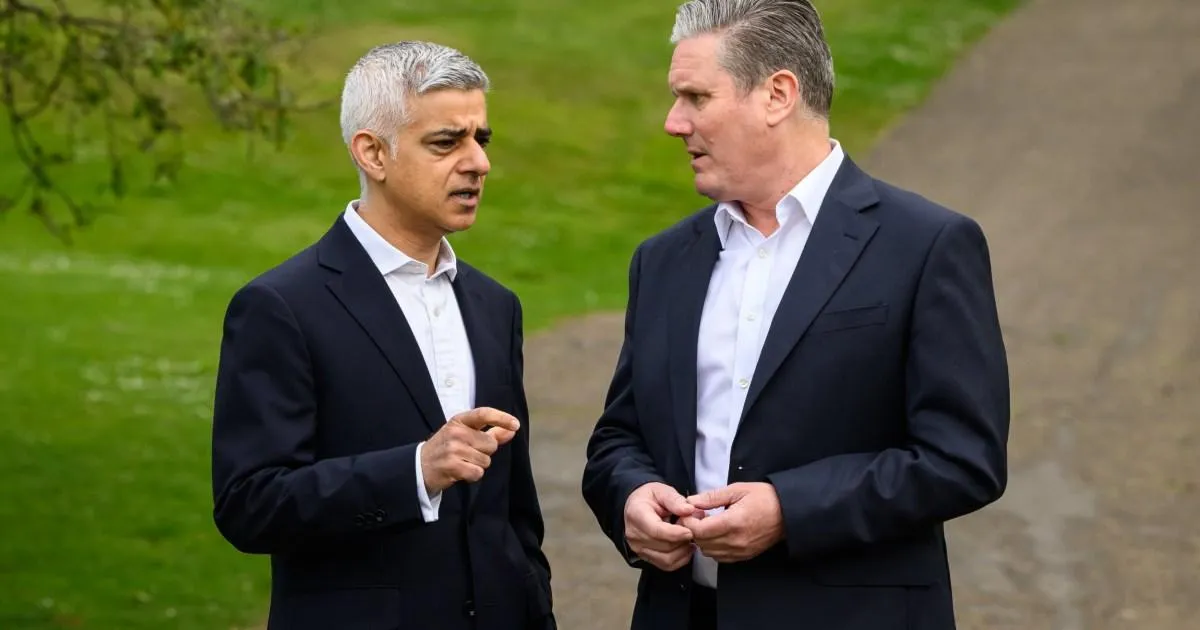
In a move that marks a significant shift in the British political landscape, Sir Sadiq Khan, the Mayor of London, has been granted a peerage by Sir Keir Starmer on his final full day as the leader of the Labour Party. This appointment effectively secures Khan a seat in the House of Lords, cementing his influence in the upper chamber of Parliament. While the specifics of his official title remain under wraps for the moment, the development is a high-profile coda to Starmer’s leadership, signaling a new chapter for one of the Labour Party’s most recognizable figures as he transitions into a broader legislative role.
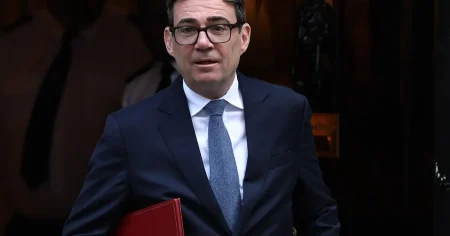
The news has naturally sparked speculation regarding Khan’s future ambitions, particularly as the incoming Prime Minister, Andy Burnham, prepares to take the reins. With Khan set to sit in Parliament, observers have wondered if he might be tempted to join a future cabinet. However, those close to the Mayor have been quick to temper such expectations. A spokesperson for Khan emphasized that his primary focus remains firmly fixed on City Hall and the residents of the capital, noting that he has no immediate intention of stepping away from his mayoral duties to pursue a ministerial post.
For Khan, the peerage is more than just a political accolade; it is a reflection of a deeply personal journey. Born and raised on a council estate, the Mayor has often used his background to frame his political philosophy, viewing London as a city of immense opportunity that allowed him to rise to its highest office. His office has confirmed that he feels profoundly “honoured” by the gesture, reaffirming his commitment to ensuring that every Londoner—regardless of their background—is afforded the same chances he had. He considers serving as the Mayor of what he calls “the greatest city in the world” to be the privilege of his life and is reportedly eager to build upon his existing record.
Despite the move into Lords, Khan’s work in London is far from finished. Government insiders have been highly complimentary of his tenure, pointing toward significant achievements that have defined his time in office. From the successful delivery of the Elizabeth Line to ambitious environmental initiatives aimed at cleaning the capital’s air, and a renewed push for council home construction, his supporters believe he has set a formidable benchmark. Even as he gains this new title, the Mayor has notably left the door open for a potential fourth run at the mayoralty, suggesting that his energy remains squarely focused on local delivery rather than Westminster careerism.
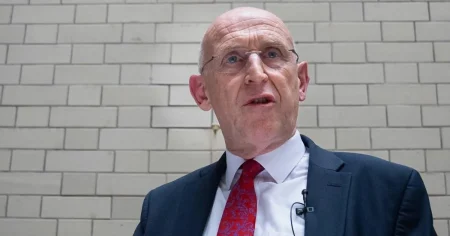
This round of peerages, which includes 25 other individuals such as broadcaster June Sarpong and legal heavyweights like Sir Brian Leveson, suggests a wider strategic effort by the Labour leadership to bring a variety of voices into the upper house. Among the notable appointments is Sir Chris Wormald, the former cabinet secretary. However, the move is perhaps most noteworthy when viewed through the lens of Andy Burnham’s broader vision for the country. Reports suggest that the incoming Prime Minister plans to bring more regional mayors into the Lords, a move designed to make the upper chamber feel more representative of the entire United Kingdom rather than just London and the South East.
This strategy aligns perfectly with the reformist stance Burnham championed in his 2024 book, Head North. In his writing, Burnham has been openly critical of the existing parliamentary structure, labeling the current composition of the House of Lords a “national embarrassment.” He has long argued that the current system—an elected chamber often overshadowed by an unelected one dominated by the elite—is fundamentally misaligned. By integrating figures like Khan into the Lords, the incoming administration hopes to begin a quiet, steady transformation of the legislative process, moving toward a Parliament that is more accountable, more diverse, and more reflective of the people it serves.