

The release of Baroness Hallett’s latest report from the long-running Covid Inquiry has pulled back the curtain on a staggering chapter of British administrative history. At the heart of the findings is a financial figure that is difficult to fully comprehend: approximately £10 billion of taxpayer money was essentially flushed away during the frantic scramble for Personal Protective Equipment (PPE). To put that in perspective, the report notes that this wasted amount is roughly double what was actually spent effectively. When we look at the total £15 billion procurement bill, the realization that two-thirds of it failed to provide functional or usable gear is not just a statistical anomaly; it is a profound failure of emergency planning that highlights the chaotic desperation defining the government’s response during the pandemic’s darkest months.
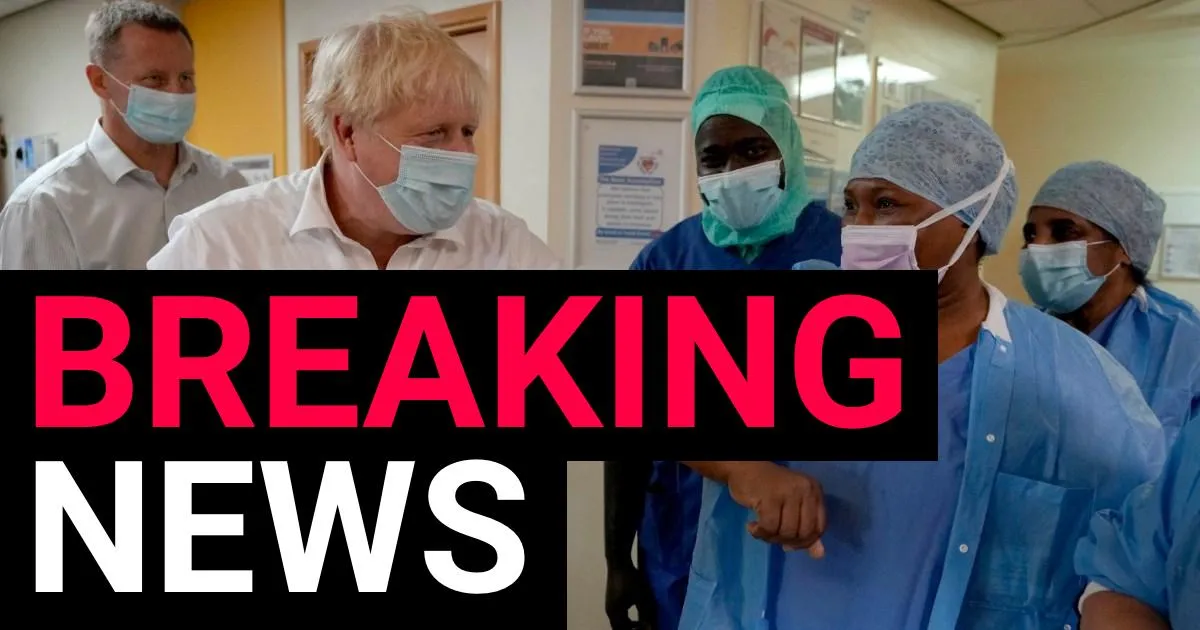
Beyond the raw numbers, the human cost of these decisions remains the most troubling aspect for those on the front lines. The Inquiry paints a vivid picture of a system overwhelmed by “substandard equipment” that reached the hands of health and social care workers—the very people tasked with shielding the public. These were individuals putting their lives on the line in sterile, high-risk environments, only to be equipped with gear that compromised their safety. This wasn’t merely a logistical hiccup or a case of over-ordering; it was a fundamental betrayal of the promise to protect the caregivers. By prioritizing volume over quality in a race against the clock, the state created a scenario where the tools meant to save lives were, in many instances, dangerously inadequate.
A central target of Baroness Hallett’s criticism is the controversial “High Priority Lane”—a fast-track system for awarding contracts that, in hindsight, created a breeding ground for systemic unfairness. This mechanism, designed to speed up the procurement of essential goods, ended up embedding bias and exclusion into the heart of government operations. The report is careful to frame this as the result of a “fundamental lack of readiness” rather than a malicious plot; nonetheless, the impact was a skewed playing field. It suggests a government that, caught off guard by a crisis it should have been better prepared for, tried to shortcut its way to safety. The verdict is clear: this approach was a misguided misstep, and the Inquiry explicitly warns that such a flawed system must never be permitted to return.
Stepping back, the narrative emerging from these reports is one of a nation struggling to reconcile its emergency ambitions with its operational shortcomings. For over four years, Baroness Hallett has been painstakingly documenting the intricacies of how the UK navigated the pandemic. This latest installment serves as a sobering reminder that policy decisions made in the heat of a crisis carry lasting consequences that outlive the virus itself. The administrative frenzy that took hold under Boris Johnson’s administration—the late-night meetings, the rushed signatures, and the urgent attempts to secure global supply chains—now stands exposed as a period of profound organizational weakness. It forces us to ask how a modern nation managed to lose such a vast fortune while simultaneously leaving its crucial workforce feeling exposed.
This report is far from the final word, which adds another layer of gravity to the situation. We are currently midway through a marathon of accountability, with five additional reports expected to land before the Inquiry finally concludes. The upcoming focus on the care sector, scheduled for release this autumn, promises to be particularly harrowing, as it will likely delve deeper into how the most vulnerable members of our society were impacted by the same procurement failures uncovered here. For families who lost loved ones and for staff who feel their sacrifices were cheapened by the systemic waste of these billions, this ongoing process is not just bureaucratic housekeeping; it is a search for truth that feels increasingly urgent as time passes.
Ultimately, this report serves as a mirror held up to the state, reflecting a mix of good intentions and catastrophic execution. While the Inquiry stops short of accusing officials of deep-seated corruption, the indictment of “misguided prioritization” speaks volumes about the culture of governance at the time. As we look toward the future, the challenge for those in power is not just to fix the procurement process, but to earn back the public’s eroding trust. We have learned that money spent does not equal protection provided, and that a lack of readiness is a luxury no government can afford. As the Inquiry continues its work, the citizens of the UK are left to grapple with the painful reality of a decade’s worth of wasted capital and the enduring questions of what could have been achieved if that £10 billion had been utilized with care, wisdom, and genuine respect for the people it was meant to clothe and protect.