


1.
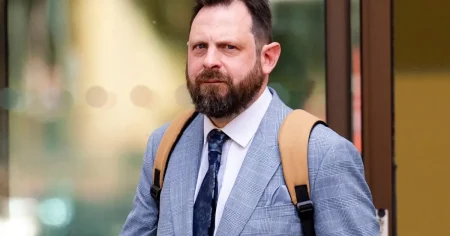
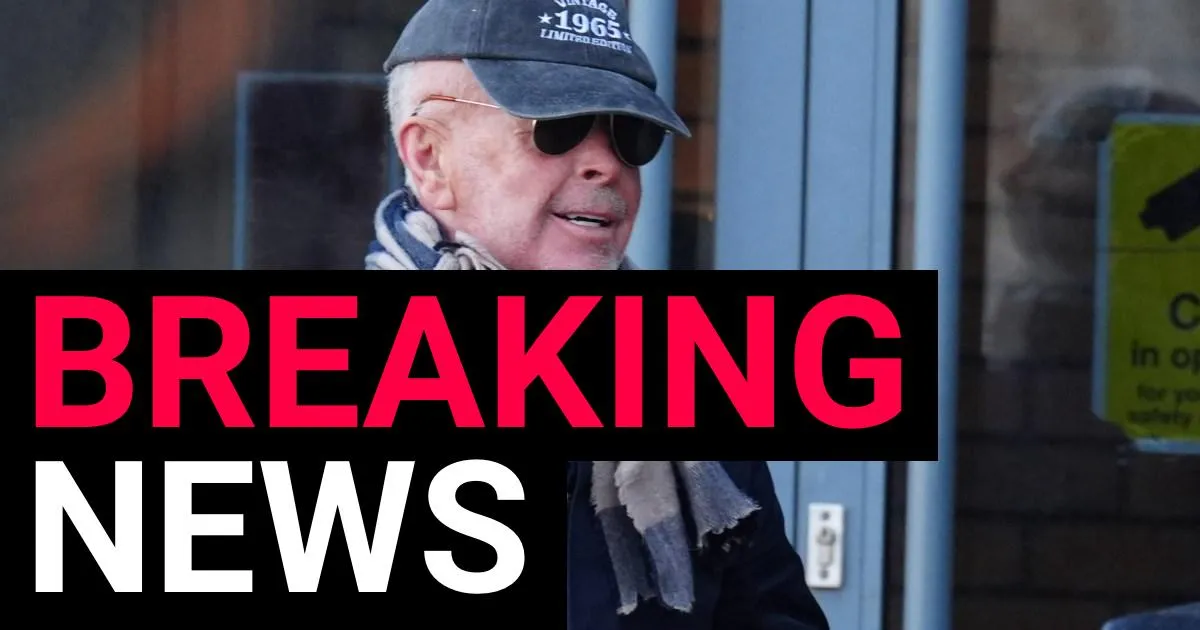
On a day when most people were going about their ordinary lives, a courtroom became the stage for a quieter kind of judgment. Glenn Gibbins, a Reform UK councillor for Hylton Castle Ward in Sunderland, was found guilty of sending a malicious communication. The details are hard to read without feeling a chill. In social media posts that have since been deleted, Gibbins wrote that he “carnt believe amount of Nigerians in town” and that they “should melt them all down and fill in the pot holes.” Those words, jarring and hateful, did not surface in some anonymous corner of the internet. They came from a man who would go on to be elected to public office, a man trusted to represent the people of his community. He was convicted of the offence two years before he stood for election, and the timing raises uncomfortable questions about what voters knew and what they did not. When the posts eventually came to light, Reform UK suspended him. In court, Gibbins offered a familiar defence: it was “naughty,” he said, but he did not mean it literally. He seemed to want the words to disappear into the same digital void as the deleted posts. But words are not so easily erased. They leave marks on the people they target, and they follow the people who wrote them. The court did not accept the explanation, and the verdict now sits alongside him as he attempts to move forward. This is not just a story about one man’s bad judgment. It is a story about the gap between the polished image of a public representative and the raw reality of the beliefs that can sit underneath.
2.
For anyone who has ever experienced racism, Gibbins’s defence has a familiar ring. It is the same “it was only a joke” or “I didn’t mean it literally” refrain that has been used time and again to wave away prejudice. But the law looks at the impact of words, not just the intention behind them. A malicious communication is not a crime because it is impolite; it is a crime because it is designed to cause distress, and because it can make a group of people feel unsafe in their own communities. That matters even more when the person making the comment is a public figure. A councillor is not just another person with a social media account. A councillor is someone who is meant to listen to constituents, to stand up for the vulnerable, and to represent every resident, regardless of their background. When someone like Gibbins posts a message suggesting that an entire group of people should be melted down to fix potholes, it tells those people that they are not welcome. It tells them that their lives are worth less than the roads they walk on. And it tells everyone else that such views are acceptable enough to be expressed in public. Sunderland is a community with a long and complex history, and like many towns across the United Kingdom, it is changing. People come from different places, speak different languages, and bring with them their hopes, their skills, and their families. That diversity is not a threat; it is a strength. But comments like Gibbins’s create division where there could be connection, and fear where there could be friendship.
3.
The prosecution’s response to Gibbins’s argument was as clear as it was powerful. Emma Dowling, prosecuting, said that the comment about melting people down “conjures up despicable images.” She went further, explaining that the words implied Nigerians were “somewhat less than human, stripping people in that group of humanity.” That phrase gets to the heart of why this case matters. Racism is not simply a matter of rude words or bad manners. It is a way of seeing other people as objects, as problems, as obstacles. When someone says that human beings should be melted down for a practical purpose, they are imagining those human beings as raw material. They are picturing bodies as something disposable, something to be used up and thrown away. For the Nigerian people living in Sunderland, reading those words must have been deeply frightening. They did not come to the town to be insulted. They came to live their lives, to work, to study, to raise children, to contribute to the community. And what did they receive in return? A message from a man who was supposed to represent them, telling them that they were not really people at all. The criminal courts are not always the right place to solve the problems of prejudice, but in this case, the verdict sends a message that there is a line that cannot be crossed. It says that dehumanising language is not protected by the excuse of humour, and that public office does not erase public responsibility.
4.
Behind every headline is a human being, and that is true for Gibbins as much as it is for the people he insulted. Perhaps he is not the monster that a first reading of his words might suggest. He might be a man who said something awful in a moment of anger, who did not expect it to follow him through the years. He might feel ashamed, or defensive, or both. It is possible that he has learned something from this experience, and it is possible that he has not. But the greatest human cost here is not borne by Gibbins. It is borne by the Nigerian residents of Sunderland, and by everyone who has ever been told, directly or indirectly, that they do not belong. They are the ones who have to live with the memory of those words. They are the ones who have to wonder whether their neighbours share those views. They are the ones who have to explain to their children why a local councillor thought their existence was a problem. Immigrants are not abstract statistics. They are nurses who hold our hands in hospital, teachers who inspire our children, students who dream of a better future, shopkeepers who open early and stay late, friends, neighbours, and family members. When someone says they should be melted down and poured into a pothole, they are saying that all of that humanity means nothing. The court’s verdict cannot undo the pain of that message, but it can serve as a reminder that the law is willing to stand beside those who have been targeted. It is a small measure of justice, but it is not the end of the story.
5.
This case also forces us to look at the wider world in which such comments are allowed to fester. Social media has given everyone a megaphone, but it has not given everyone the wisdom to know when to stay silent. The same platforms that connect us across thousands of miles can also become breeding grounds for hatred. Algorithms reward outrage, and a nasty post can travel further and faster than a kind one. Deletion is not the same as accountability. By the time Gibbins removed his posts, the words had already been seen, shared, and stored in screenshots. The internet does not forget, and neither should we. But there is another question here that is harder to answer. How did a man with views like this get so close to public office before anyone noticed? Political parties talk about rigorous vetting processes, but this case suggests that there are gaps. The Revd UK candidate was not unknown; he was standing for election. Yet the posts, which had been written years earlier, did not stop him from being selected or from winning the support of enough voters to take a seat on the council. That is a failure not just of one party, but of a system that too often values loyalty over scrutiny and enthusiasm over character. Voters deserve to know who they are voting for, not just through manifestos and campaign leaflets, but through the candidate’s own words. The excuse that “everyone has said something they regret” is too easy. There is a difference between an awkward joke and a vision of violence, and the difference matters.
6.
In the end, the verdict in this case is not a reason for celebration. It is an invitation to reflect. Glenn Gibbins has been found guilty of a serious offence, and he will have to live with the consequences. His reputation is damaged, his position is uncertain, and his name will now be associated with a moment of cruelty that he may never fully escape. That is the price of speaking without thought. But the real work of healing does not end with a court ruling. It begins when a community decides that hate will not be tolerated and that kindness will be more than a slogan. It begins when we look past labels and see people. It begins when a Nigerian mother in Sunderland can feel safe in her own street, when her children can go to school without fear, and when her neighbours welcome her with open arms. The court has drawn a line, but it is up to the rest of us to make sure that line means something. We can do that by challenging prejudice when we hear it, by refusing to laugh at jokes that are really weapons, and by remembering that every person, no matter where they come from, deserves to be treated as a human being. The Glenn Gibbins case is not just about a cancelled politician or a deleted post. It is about what kind of society we want to live in, and what we are willing to do to protect the dignity of every person in it.