

The recent escalation in hostilities between the United States and Iran has sent a shockwave through the global economy, directly impacting the wallets of everyday drivers in the UK. Just as optimism began to grow regarding a potential peace deal, the situation took a volatile turn when the U.S. launched what it termed “defensive strikes” against Iranian missile sites and naval assets in the Strait of Hormuz. This sudden return to military action has shattered the fragile sense of hope that had been building since a ceasefire was announced in April, leaving markets—and the general public—in a state of renewed anxiety as the future of the region remains precariously balanced.
The immediate casualty of this instability at home is the rising cost of petrol. According to the RAC, the average price of a litre of unleaded fuel has climbed to 159.43p, a significant jump of over 26p since this conflict first ignited in late February. For the average family, this is more than just a statistic; it is a tangible hike in the cost of living. Filling a standard 55-litre tank now requires an additional £14.63 compared to pre-conflict prices. The motoring industry has issued stark warnings that these costs are likely to continue their upward trajectory as long as the Strait of Hormuz—the world’s most critical artery for energy shipments—remains bottlenecked and uncertain.
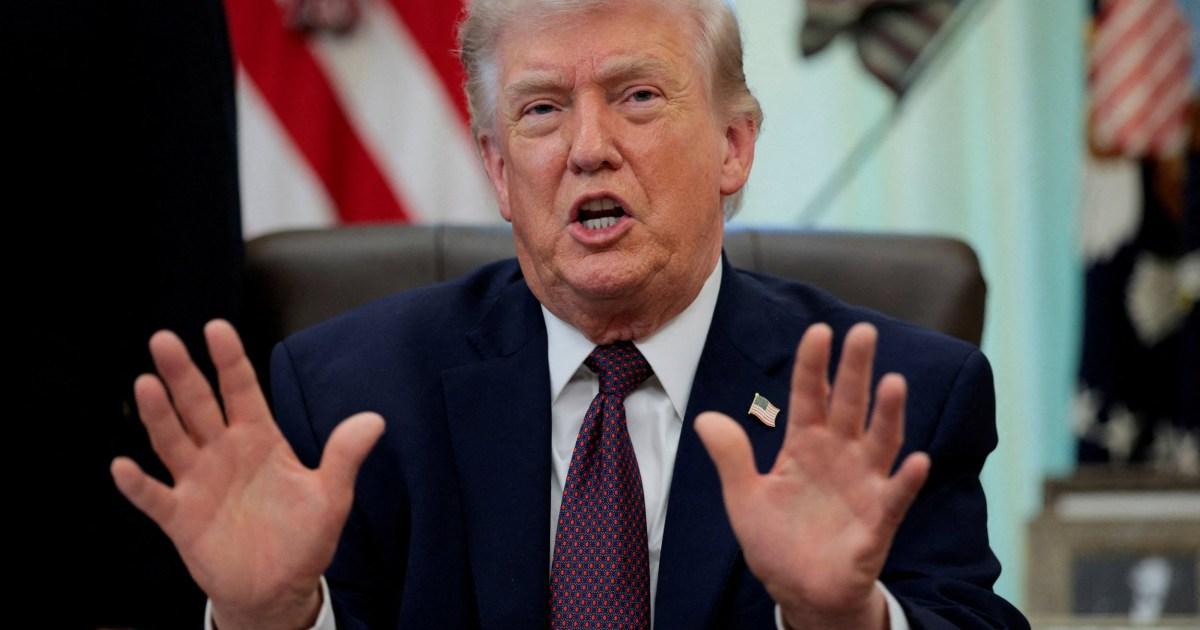
The political messaging surrounding these events has been frustratingly inconsistent, contributing to an atmosphere of confusion. Only yesterday, both Donald Trump and Secretary of State Marco Rubio were painting a picture of progress, describing negotiations as “proceeding nicely” and suggesting a solid framework for peace was on the table. However, the subsequent military strikes were branded by Tehran as a “gross violation” of the hard-won April ceasefire. This disconnect between diplomatic rhetoric and battlefield reality has created a sense of whiplash, leaving market analysts and the public struggling to determine whether we are witnessing a genuine path toward de-escalation or a slow slide back into full-scale regional war.
Despite the recent bombing, Secretary of State Rubio has maintained that a comprehensive peace deal could be finalized within a matter of days. Investors, however, are clearly skeptical of this optimistic timeline as they react to the chaos. Brent crude oil prices saw an immediate 2.4% rebound following the news of the strikes, reflecting the market’s inherent fear that wholesale energy costs will continue to spike if the shipping lanes stay obstructed. While oil prices are still hovering well below the staggering peaks reached back in mid-April, the volatility serves as a constant reminder that the global economy is at the mercy of geopolitical decisions made thousands of miles away.
There is a sliver of relief to be found in the diesel market, which has bucked the trend slightly by falling below 185p a litre for the first time in weeks. While this offers a modest reprieve, it does little to mask the broader, more concerning reality of the conflict’s long-term economic footprint. With diesel still costing over £23 more to fill a tank than it did at the start of the year, the strain on families and haulage businesses remains heavy. The fluctuation between hope-filled announcements and news of direct military engagements is making it nearly impossible for consumers to plan for their futures, as the volatility of fuel pricing stays hostage to the unpredictable nature of the U.S.-Iran relationship.
Ultimately, the situation remains a high-stakes standoff where the pursuit of national agendas has taken precedence over regional stability. As leaders on all sides juggle their political demands, the average motorist is left to navigate the consequences of this indecision. Whether this latest round of strikes is merely a “defensive” hiccup on the road to a treaty or a definitive collapse of the ceasefire remains to be seen. Until the Strait of Hormuz is fully reopened and a concrete, lasting agreement is signed, uncertainty will continue to dictate the price at the pump, leaving everyone from politicians in Westminster to parents at the petrol station waiting for the next development in this unfolding crisis.