


The tragic death of 18-year-old Henry Nowak in December 2025 has ignited a fierce and deeply divisive national conversation, pulling Nigel Farage into the center of a volatile storm. Following the revelation of distressing bodycam footage showing officers failing to provide immediate aid to the dying teenager—and even dismissing his claims of being stabbed—the public response has been visceral. Mr. Farage, the leader of Reform UK, seized upon this miscarriage of justice, releasing a video in which he characterized the incident as the result of a systemic “anti-white prejudice.” By calling for “pure, cold rage,” he effectively poured gasoline on an already smoldering situation, a move that coincided with eruptive rioting in Southampton just hours later.
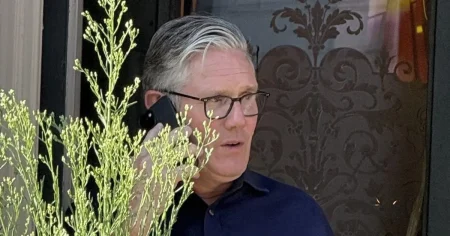
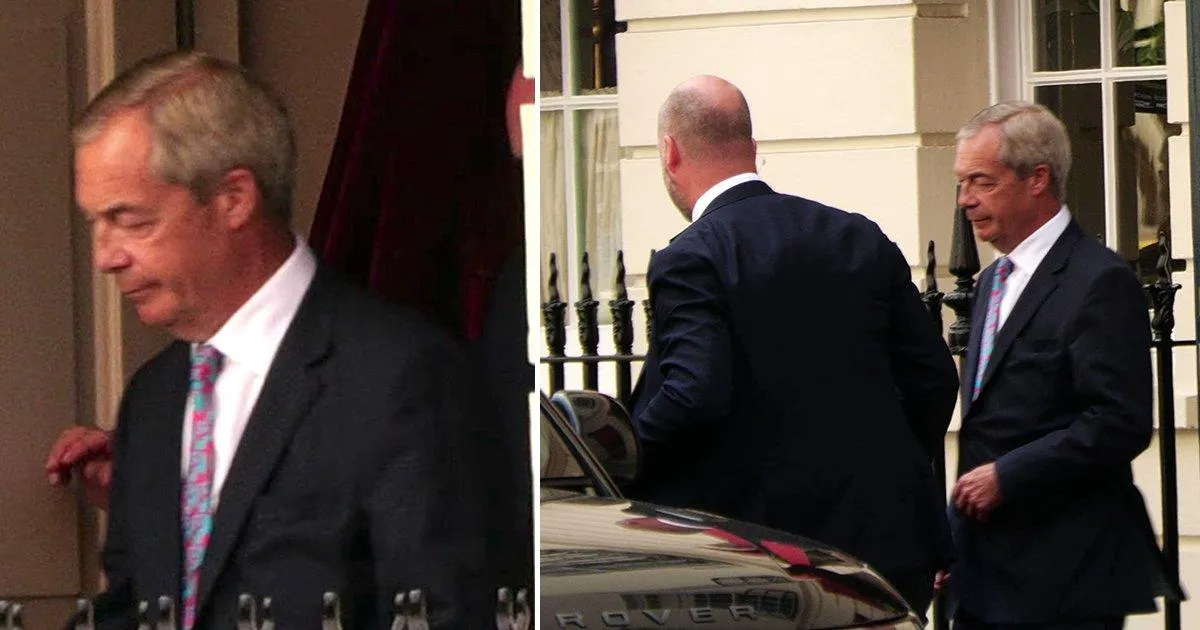
The immediate aftermath of Farage’s commentary was one of sharp political condemnation. Prime Minister Sir Keir Starmer led the backlash, calling the rhetoric “unforgivable” and suggesting that Farage was merely performative, using the grief of a mourning family as a tool for political gain. This sentiment was echoed in the halls of Parliament, where the Reform UK leader faced loud booing during Prime Minister’s Questions. Farage’s subsequent appearance at Oswald’s, an ultra-exclusive, high-society club in Mayfair known for its luxury and proximity to the political elite, offered a stark, jarring contrast to the chaotic scenes playing out on the streets. Accompanied by security, his exit from a venue frequented by royalty and wealthy celebrities highlighted the widening chasm between the political class and the unrest unfolding in our communities.
On the ground in Southampton, the atmosphere remains tense and, for many, deeply frightening. Protesters gathered near the home of Vickrum Digwa, the 23-year-old who stabbed Henry to death, leading to violent confrontations between the public and police. The human cost of these demonstrations has been significant: eleven police officers sustained injuries, and two men, Matt Styler and Daniel Frost, now face serious criminal charges for assault and violent disorder. The Prime Minister has adamantly urged calm, noting that this is a time for the “serious work” of justice rather than the destructive outlet of communal rage. However, when passions are running this high, broad appeals to peace often struggle to pierce the noise of angry crowds.
The tragedy itself is rooted in a fundamental institutional failure that has left a family shattered. When Henry Nowak was attacked by Digwa—who claimed the knife he carried was part of his religious observance—the police response was marked by a chilling lack of empathy. Footage revealed officers handcuffing the dying boy while skeptical of his pleas for help, with one officer disturbingly remarking, “I don’t think you have,” after Henry explained he had been stabbed. Hampshire Police have since issued an apology, acknowledging the “inhumane and degrading” treatment the teenager received. For his family, the grief is compounded by the knowledge that their son was not only murdered but also ignored by those sworn to protect him.
In the midst of this heated debate, Henry’s father provided a voice of profound grace, explicitly requesting that his son’s memory not be co-opted as a catalyst for further hatred or division. This plea for nuance and peace sits in direct opposition to the polarized narrative pushed by Farage, who continues to argue that the police prioritized the investigation of a racial slur over the life of a dying boy. Farage’s assertion that the rights of white citizens are being undermined by the current system has resonated with some as a critique of modern policing, while critics view it as a dangerous and inflammatory exploitation of a grieving family’s ordeal to score populist points.
As the dust settles, the nation is left grappling with two separate but entwined crises: the horrific failure of the state to save a young man’s life and the ongoing battle for the soul of our public discourse. Whether the focus remains on the urgent need for police accountability or descends into the “division and tension” that Henry’s father so desperately hoped to avoid, it is clear that the status quo is changing. For now, the image of a politician exiting a plush Mayfair club while cities contend with the fallout of his words serves as a potent reminder of the disconnect that currently defines British society. The path forward demands an honest reckoning with how we handle justice and, more importantly, how we handle the grief of those left behind.