


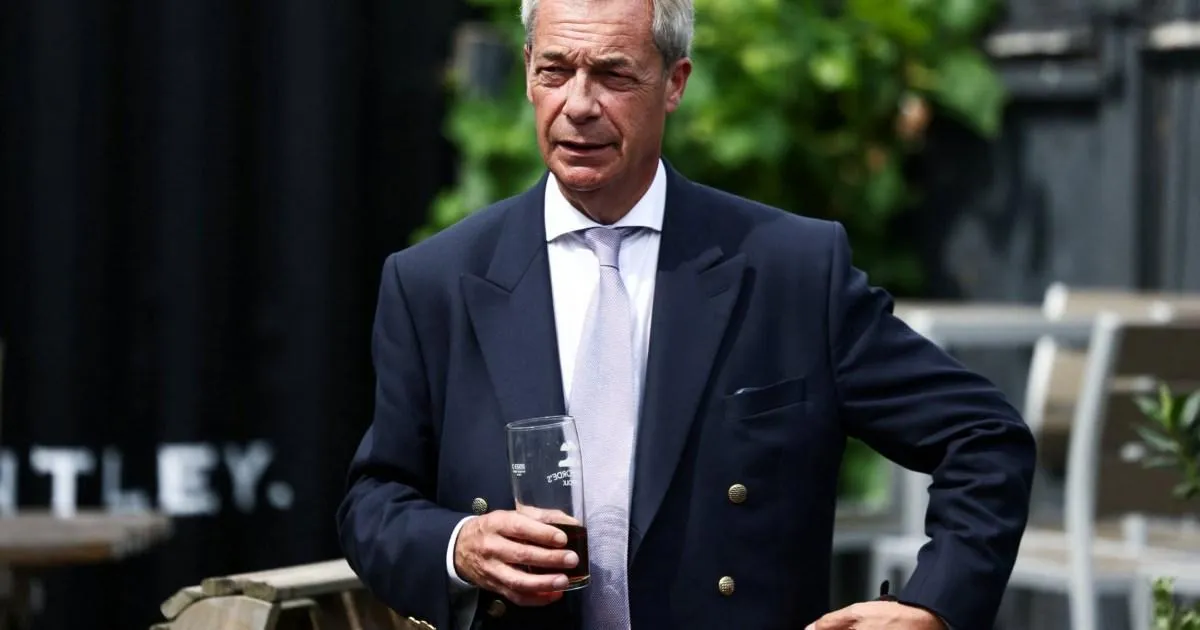
The sleepy, salt-sprayed streets of Clacton-on-Sea have suddenly found themselves at the center of a political spectacle that feels more like a surrealist play than a standard by-election. Nigel Farage, the firebrand leader of Reform UK, has returned to his former constituency, clutching a pint in a sun-drenched pub garden to address the curious reality of his current electoral landscape. With the major political parties having cleared the field, Farage finds his most notable opposition to be a satirical candidate known as Count Binface—an absurdist figure whose mascot-headed presence mocks the very machinery of Westminster that Farage claims to be battling. It is a strange, uniquely British tableau: a veteran political insurgent preparing to defend his seat against an opponent in a plastic trash bin.
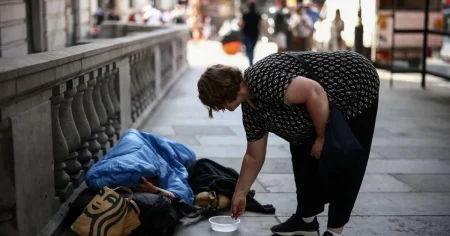
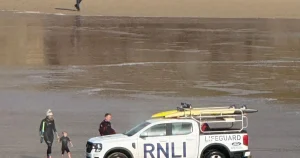
Behind the lens of this theatrical race lies the grittier, lived reality of a town that has seen better days. Clacton, like many coastal British towns, carries the weight of long-term neglect. Locals navigate issues that go far beyond the theater of politics: spiraling housing costs, encroaching anti-social behavior, and the alarming reality of “cuckooing”—where vulnerable residents are exploited by criminal gangs. Perhaps most jarring is the stark inequality gap, with life expectancy in some pockets of the area trailing behind wealthier Essex neighbors by nearly two decades. For the people living here, the arrival of national press and professional politicians is a mixed bag, offering both a spotlight on their struggles and a reminder of how easily those struggles become mere soundbites in a larger, distant power struggle.
When pressed on what he has actually delivered for his constituents since taking office, Farage leaned into his role as a publicist for the region. He championed the town’s potential as a tourism destination, acknowledging the headaches caused by the local infrastructure—specifically those notorious, axle-breaking potholes—but pivoting quickly to the beauty of the coast. His strategy, as always, is tied to the narrative of the outsider. He leans into the idea that he is a revolutionary figure being stifled by the “establishment.” He argues that if the locals provide him with a sweeping mandate, it will effectively serve as a firewall against a political class he claims is colluding to suppress true grassroots change.
However, the path forward is obstructed by more than just ballot boxes; Farage is currently navigating a gauntlet of intense personal scrutiny. He faces a formal investigation by the Parliamentary Standards Commissioner regarding a five-million-pound gift from crypto executive Christopher Harborne, which Farage maintains was essential for his personal security in the face of credible threats. Simultaneously, he is weathering a storm of accusations involving his ties to George Cottrell, a figure whose past criminal conviction has provided plenty of ammunition for the media. Farage’s defense remains consistent: he rejects the characterizations of his critics, brushing off the inquiries as a “spurious” attempt by his enemies to smear him, just as they have for years.
The absurdity of the situation reached a new peak with the entry of actor and activist Laurence Fox, who joined the race alongside the inimitable Count Binface. While the Count remains a fan favorite, bringing comic relief to a often dreary political theater, both he and the voters recognize the steep hill the opposition faces. With a comfortable 8,405-vote majority from the 2024 election, Farage’s base in Clacton remains staunchly loyal. The dynamic is now one of mockery versus momentum; even as the political establishment tries to dismiss his involvement, the spectacle serves only to reinforce the populist brand that Farage has cultivated. It is a bizarre tug-of-war where the weapon of choice is as likely to be a biting tweet about “bin day” as it is a substantive policy debate on local services.
Ultimately, this by-election serves as a mirror for the current state of British politics: exhausting, performative, and deeply fractured. While politicians trade jabs about integrity and “fake” elections, the residents of Clacton continue to walk their pier, hoping for actual improvements to their daily lives rather than just another installment of the Westminster soap opera. Farage wants to be judged by the people, not the press, and in the coming weeks, the town will decide whether they want to double down on his brand of insurgency or look for a different kind of change. Whether the electorate delivers a resounding victory or decides to have the last laugh with a trash-can-wearing comedian, the results will undoubtedly ripple far beyond the borders of this Essex seaside town.