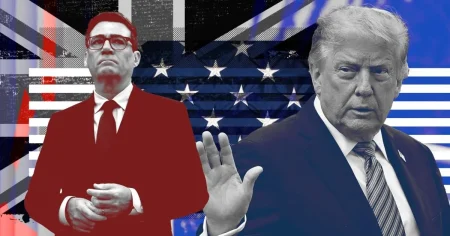



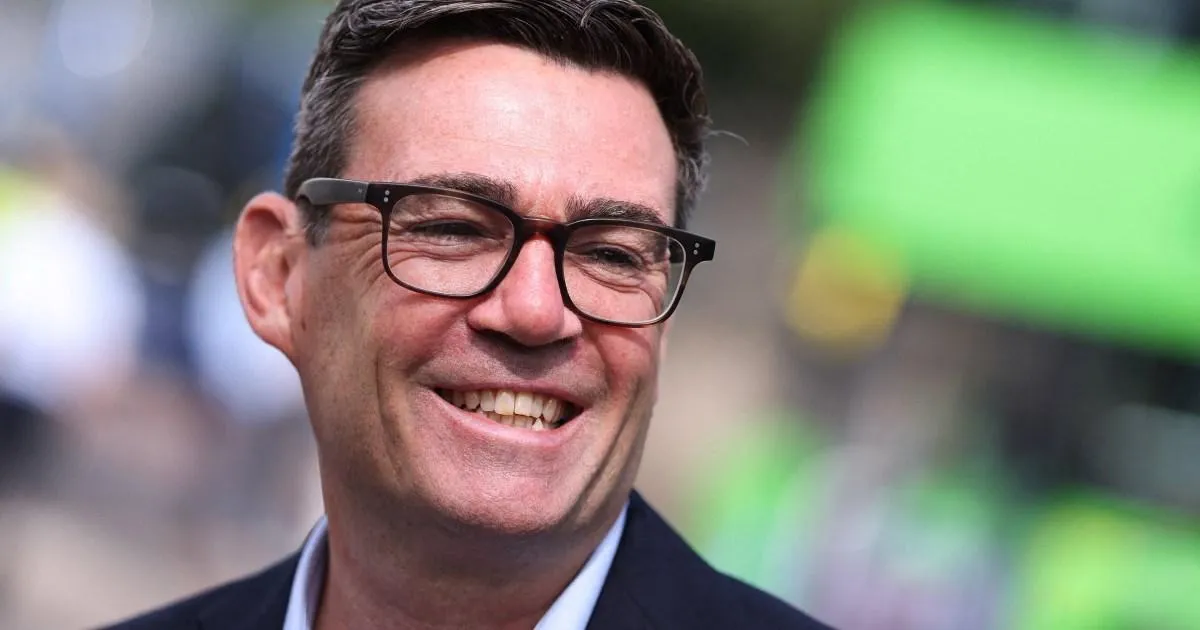
The political landscape in Britain has shifted dramatically this week, with Prime Minister Andy Burnham providing a much-needed shot in the arm for the Labour Party. For the first time since March 2025, a recent survey by More in Common has placed Labour ahead of Nigel Farage’s Reform UK, signaling a significant reversal of fortune. After sixteen grueling months of trailing behind, Labour’s resurgence suggests that the party’s internal decision to move on from Sir Keir Starmer may finally be paying dividends among a weary electorate. While political analysts like Luke Tryl are quick to caution that one poll does not make a trend, the data clearly indicates that the wind is beginning to blow in the Prime Minister’s direction.
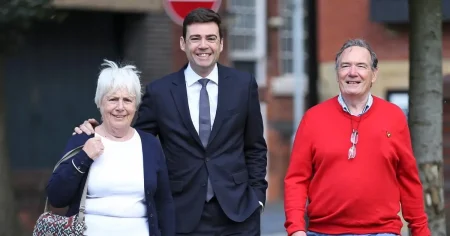
The shift in momentum appears to be tied directly to Burnham’s pragmatic “back-to-basics” approach to governance. Rather than getting bogged down in lofty ideological debates, he has spent his inaugural days in office focusing on the immediate, tangible stressors that keep British families awake at night. By framing his early policies around the cost-of-living crisis, Burnham has managed to consolidate support from corners of the political spectrum that Labour had previously alienated. It is a calculated move to show that his administration is listening, prioritizing the domestic well-being of citizens over the abstract politics that defined the previous administration.
At the heart of this strategy are specific, high-visibility economic measures designed to provide immediate relief. Burnham’s decision to implement a £2 cap on bus fares across England, coupled with the elimination of VAT on electricity bills, serves as a clear signal that the government is willing to intervene to lower essential costs. Furthermore, his 20% reduction in business rates for pubs, clubs, and small music venues is an acknowledgment of the cultural and local economic pillars that have suffered under years of stagnation. These aren’t just policies; they are attempts to restore a sense of stability and normalcy to the average voter’s daily routine.
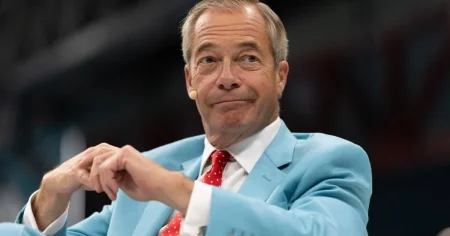
While Burnham enjoys this honeymoon period, his rival, Nigel Farage, finds himself walking through a political minefield. Reform UK, which had been riding a wave of defiance for over a year, is currently grappling with a barrage of negative headlines regarding the party’s transparency and financial dealings. The investigation by the Parliamentary Standards authority into an undeclared £5 million gift from crypto-tycoon Christopher Harborne has cast a long shadow over the party’s populist narrative. For a leader who positions himself as the ultimate outsider, revelations about vast, opaque funding sources risk undermining the very anti-establishment credibility that his voters find so compelling.
The optics of Farage’s recent tactical maneuvers have also left much to be desired. In an attempt to reassert his dominance and control the narrative, Farage resigned his seat in Clacton, forcing a by-election that he hoped would serve as a grand, theatrical referendum on his leadership. Instead, the move has largely backfired; by refusing to field candidates, the major parties have successfully denied him the high-profile showdown he craved, leaving him to campaign against minor, novelty figures like Count Binface. It has turned a potentially galvanizing moment into an awkward spectacle, further distancing Reform from the serious, day-to-day policy discourse that is now dominating the national conversation.
Looking ahead, the road for the Burnham administration remains steep. Whether this polling lead translates into sustainable long-term support will depend on his ability to execute these early promises without hitting the institutional roadblocks that often entangle new governments. For now, however, the message from the public is clear: there is a palpable hunger for a government focused on the practical realities of life rather than the theatrics of opposition. As Burnham settles into the complexities of Number 10, he has successfully shifted the narrative from a party in decline to a government in action, giving his supporters a flicker of hope that the political tide is finally moving in their favor.