


Tragedy struck the picturesque waters of Coogee Beach in Sydney this morning, turning a routine swim into a harrowing battle for survival. A 35-year-old woman, whose identity has been withheld, was enjoying a late-morning dip about 100 feet from the shoreline with two friends when the tranquility of the day was shattered by an 11-foot white shark. The encounter was swift and violent, with the apex predator dragging the swimmer under the surface, leaving onlookers and her companions in a state of absolute shock as the water began to churn with the force of the attack.
The situation was dire, but the presence of mind displayed by local lifeguard Charlie Verco likely saved the woman’s life. Verco, who was patrolling on an 18-foot paddleboard, witnessed the horrifying moment the shark surfaced with the swimmer. Recalling the terrifying ordeal to reporters later, Verco described the sheer magnitude of the shark as it rose from the depths. He admitted that for a split second, he was paralyzed by the question of how to intervene against such a massive predator, yet his instincts took over. He paddled directly toward the chaos, and moments later, the shark released the victim, allowing her to surface near his board.
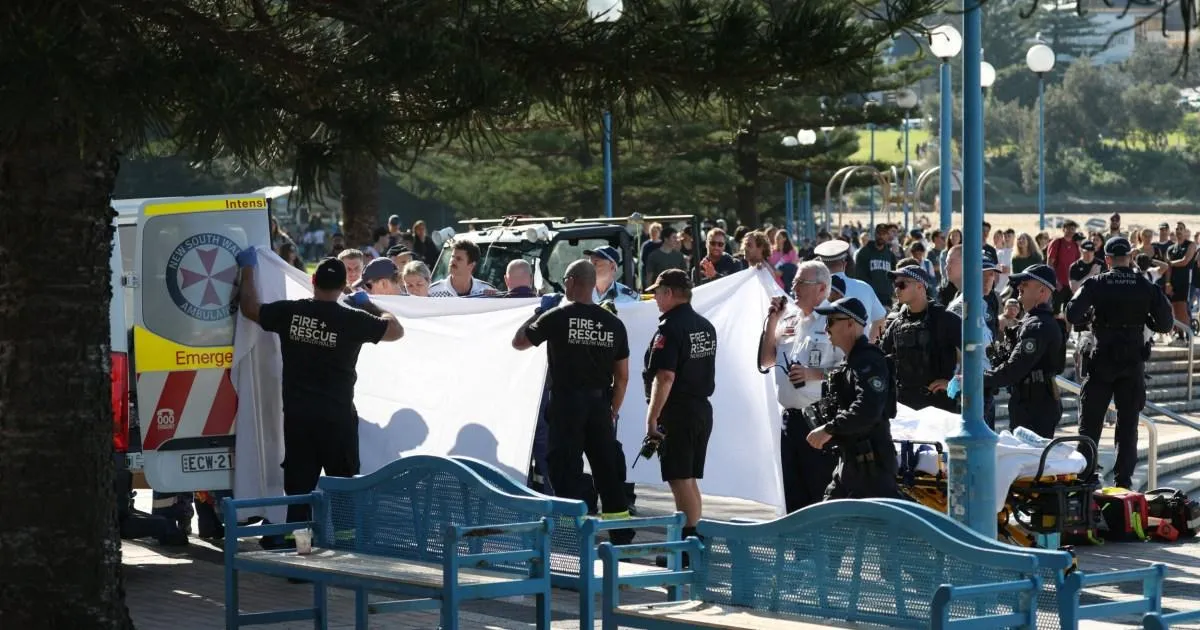
As the rescue unfolded, the scene on the beach descended into a blur of panic and medical urgency. Dr. Ian Ferguson, who happened to be at the beach with his young family, witnessed the water turn blood-red, signaling the severity of the victim’s injuries. When the woman was eventually pulled to safety, the physical toll was devastating; she had sustained massive bite wounds to her arms and legs, with one thigh wound so deep that it exposed bone. Bystanders and emergency responders worked with frantic precision to stabilize her before she was rushed to a nearby rugby field, which had been converted into an impromptu landing zone for an air ambulance.
This terrifying incident is part of a somber trend that has gripped Australia throughout the year. The waters surrounding the continent have seen an unusual surge in predatory activity, with this incident marking yet another addition to a growing list of casualties. The environment feels increasingly volatile for water enthusiasts, following a series of tragic losses that include three spearfishing divers who lost their lives to shark attacks since mid-May. The cumulative weight of these events—including the deaths of Daniel Turpin near Albany, Steve Mattabonni off Rottnest Island, and Michael Jensz in the Great Barrier Reef—has left coastal communities on edge.
The human cost of these apex encounters is staggering, particularly when recalling the loss of a 12-year-old boy in Sydney Harbour earlier this January. While the Australian Shark Incident Database suggests that historical fatality rates have typically hovered between two and three individuals per year, the increasing popularity of water sports like surfing and scuba diving has brought humans into closer, and more frequent, contact with shark habitats. Each of these stories serves as a visceral reminder of the danger lurking beneath the waves, forcing the nation to grapple with the uneasy balance between enjoying its world-famous coastline and respecting the wild, unpredictable nature of the Pacific.
As the sun began to set on Coogee today, the usually vibrant beach sat eerily empty. Police officers paced the sand, cautioning visitors, while the water remained quiet—a stark contrast to the morning’s life-and-death struggle. The victim remains in the hospital fighting for her recovery, and the community she left behind is left to process the collective grief and fear of a sport-filled lifestyle now shadowed by tragedy. For now, the beach remains closed, a silent monument to a day when a simple swim transformed into a desperate fight for life that serves as a haunting warning to all who venture into the deep.