


Here is a summary and humanized narrative of the recent developments in the ongoing conflict between Russia and Ukraine, expanded into six reflective paragraphs.
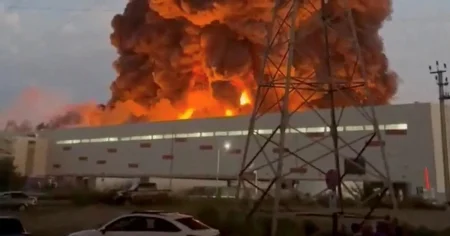
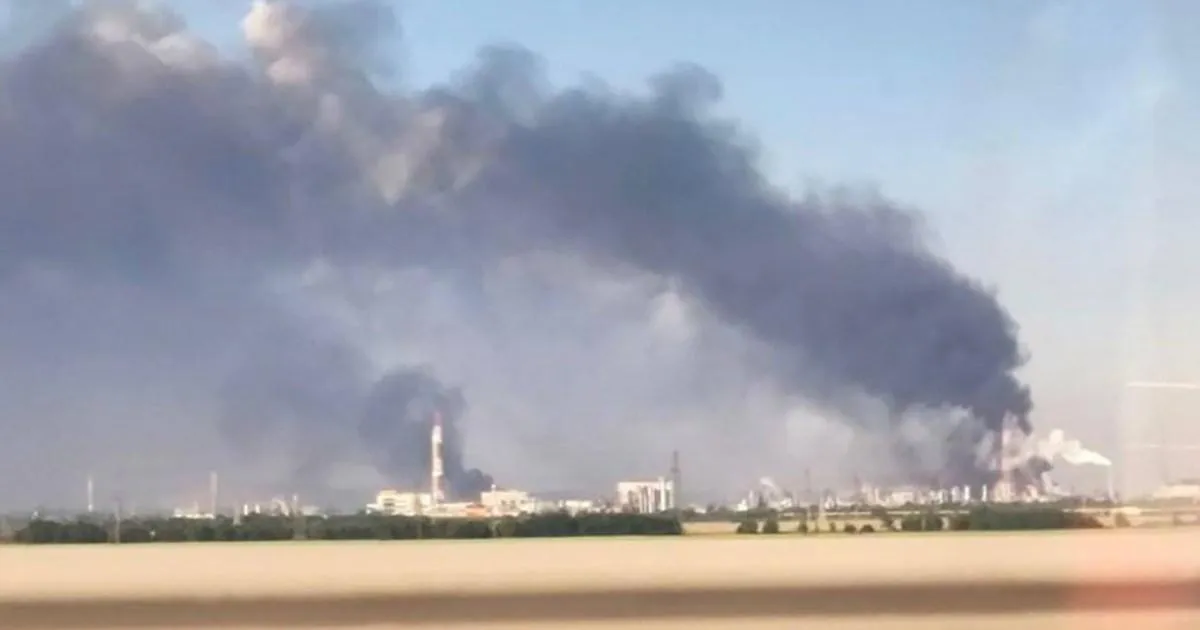
The weight of Russia Day—a holiday meant to serve as a crescendo of national pride and the crowning achievement of Vladimir Putin’s modern Russian state—was fundamentally altered by the chilling reality of war this past June 12th. What should have been a day defined by parades, patriotic speeches, and public festivities instead became a sobering display of vulnerability. As the Kremlin sought to project an image of unshakeable strength, Ukrainian drones systematically dismantled that narrative, striking deep within Russian territory. By targeting critical petrochemical infrastructure, including the Tolyattikauchuk plant and the massive Taneko oil refinery in Nizhnekamsk, Ukraine turned a day of celebration into a logistical nightmare, forcing the cancellation of public events and grounding flights across major domestic airports.
The strategic choice of these targets speaks volumes about the shifting nature of this attrition-based conflict. These refineries are not merely industrial sites; they are the literal fuel for Russia’s war machine and the economic arteries that keep the country’s domestic life functional. By striking these locations on a national holiday, Ukraine sent a pointed message that the sanctuary once enjoyed by the Russian heartland is rapidly evaporating. The sudden, chaotic scramble to secure energy supplies and the subsequent panic among the population served as a stark, human-centered reminder that no amount of state-sponsored rhetoric can mask the immediate, tangible effects of a war that has refused to stay confined to the front lines.
Simultaneously, the pressure on occupied Crimea has reached a tipping point that threatens to sever the peninsula from Russian control entirely. Once a jewel in the crown of Putin’s territorial gains, Crimea is now an increasingly isolated liability. Fuel shortages and power instability have crippled the local tourism industry, replacing the sun-drenched prospects of a summer retreat with the grim reality of resource scarcity and fear. Robert Brovdi, the commander of Ukraine’s unmanned systems forces, has articulated a clear endgame: the total isolation of the peninsula. With the Armiansk bridge rendered ineffective, the logistical umbilical cord connecting the mainland to the occupied territories is fraying, setting the stage for a potential collapse of Russia’s grip on the Black Sea region.
Beyond the energy and logistical crises, the Russian military is suffering significant, irreplaceable hardware losses that undermine its posture of technological superiority. The destruction of a £20,000,000 Tor surface-to-air missile system in the Kursk region is a microcosm of a broader, deeper problem for the Kremlin. These high-value assets are supposed to act as an impenetrable shield against aerial threats, yet their systematic elimination by Ukrainian forces demonstrates that the defensive umbrella Putin relied upon is full of holes. Every lost battery and ruined radar station represents millions of dollars and months of production time that a sanctioned, strained Russian economy can ill-afford to replace amidst the urgency of a prolonged offensive.
While the immediate headlines focus on these tactical strikes, a larger, more ominous shift is taking place along Russia’s borders with the West. Intelligence reports and satellite imagery have confirmed that Russia is breaking with decades of post-Soviet policy by constructing a new military base less than 100 miles from the Finnish border. This move, which comes in the wake of Finland’s accession to NATO, suggests that Putin is preparing for a long-term, systemic confrontation with the West. Watching the construction of a dozen new barracks in such proximity to a NATO member serves as a geopolitical signal that the current borders—and the international order that maintains them—are becoming increasingly militarized and volatile.
Ultimately, these events paint a portrait of a leader caught in an escalating cycle of domestic embarrassment and international isolation. The contrast between the Kremlin’s efforts to project business-as-usual strength through patriotic holidays and the reality of burning refineries, crippled bridges, and renewed Cold War-style border tensions is striking. As Ukraine continues to sharpen its unmanned warfare capabilities and target the foundational pillars of the Russian economy, the internal pressure on the Putin administration is mounting. Whether in the form of disgruntled citizens worrying about fuel prices or military strategists forced to defend an entirely new frontier against a bolstered NATO alliance, the costs of this conflict are becoming impossible to ignore, marking a definitive turn in a war that continues to reshape the map of Europe.