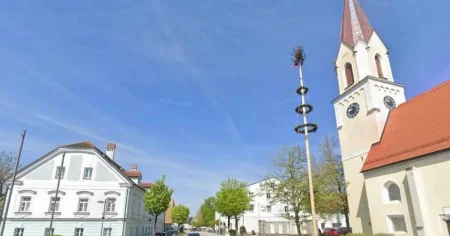


The current geopolitical climate in Eastern Europe has reached a fever pitch, underscored by a recent, heart-stopping security alert in Lithuania. Residents in Vilnius were briefly thrust into a state of high alarm when NATO fighters were scrambled to intercept what radar systems identified as a potential kamikaze drone encroaching upon sovereign airspace. While authorities later suggested the object may have been nothing more than a stray weather balloon, the incident highlights the palpable tension felt by nations living in the shadow of Russia and its staunch ally, Belarus. This false alarm serves as a sobering reminder of how thin the line between caution and conflict has become in a region already trembling from the reverberations of nearby hostilities.
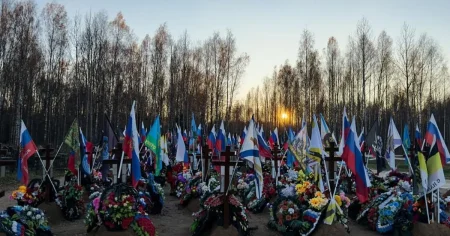
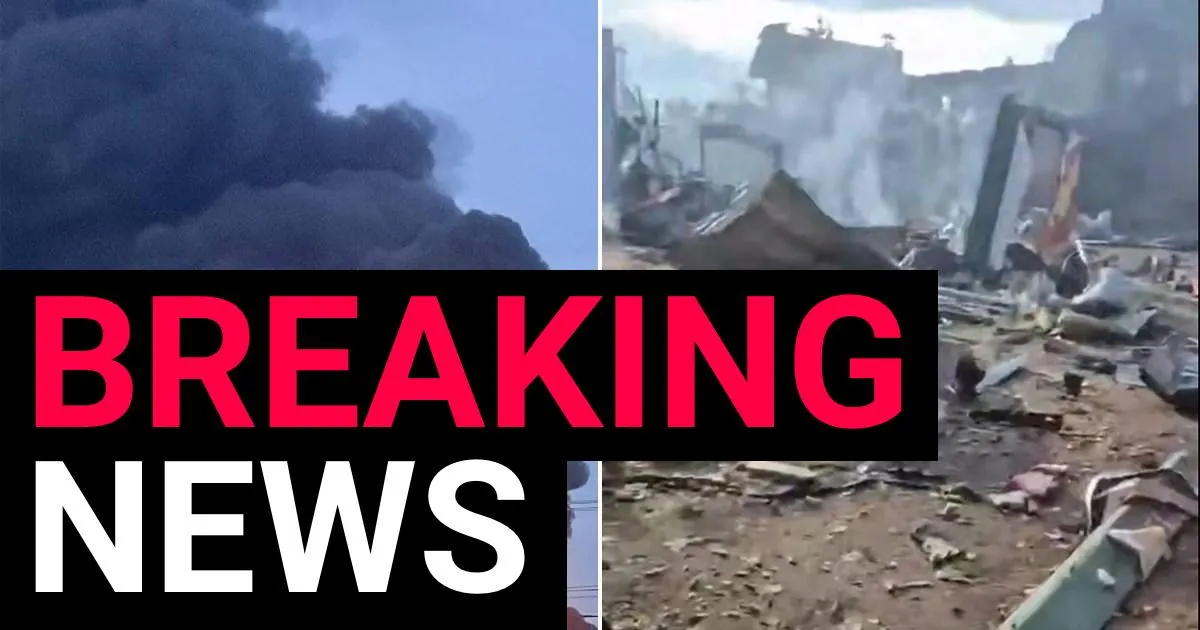
The anxiety in Lithuania is set against a backdrop of intensifying chaos in Ukraine, where the human cost of the ongoing invasion has escalated to harrowing levels. In a devastating strike on the Dnipropetrovsk region, Russian forces unleashed a barrage of cluster bombs upon the town of Vasylkivka, tearing through a bustling marketplace. The violence claimed at least one life and left thirteen others wounded, while also reducing shops and residential buildings to rubble. These attacks are not isolated instances of tactical warfare; they are part of a broader, lethal campaign that has pushed civilian casualty rates to their highest levels since the earliest stages of the conflict in 2022.
The UN Human Rights Monitoring Mission in Ukraine has characterized this recent spike in violence with grim specificity, noting that the suffering is no longer confined to the front lines. Danielle Bell, head of the mission, underscored that civilians across the country are being targeted in areas far removed from active ground combat. Throughout the month of May, nearly 2,000 casualties were recorded—a devastating testament to the indiscriminate nature of the missiles and aerial bombs being deployed. Families that once sought refuge in cities far from the trenches are now finding that the reach of this war extends into their homes, workplaces, and markets, shattering any remaining sense of safety.
In response to these evolving threats, NATO is moving toward a more proactive defense posture. There is growing consensus among alliance members to grant the Commander-in-Chief in Europe broader authority to neutralize encroaching drones without needing to wait for permission from individual national governments. This shift, set to be a key discussion point at the upcoming summit in Ankara, signals a departure from bureaucratic deliberative processes in favor of rapid, decisive action. For the military coalition, the priority is shifting from monitoring threats to proactively preventing potential incursions that could lead to accidental, or intentional, escalation.
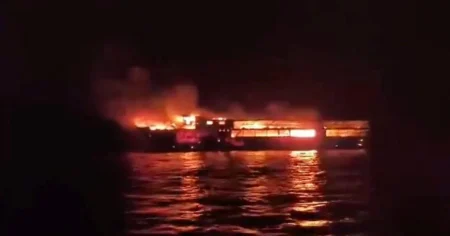
Meanwhile, the conflict has entered a strategic phase of tit-for-tat strikes, with Ukraine aggressively targeting Russian military infrastructure to weaken the blockade on its own territories. Kyiv has significantly expanded the reach of its own drone program, successfully targeting critical logistics, such as the Crimean bridge, power plants, and the strategic Crimean Titan chemical facility. Even deep within Russian territory, the impact is becoming impossible for the Kremlin to ignore; strikes on massive assets like the Taneko oil refinery have disrupted vital economic pipelines and brought the physical reality of the war to the Russian citizenry, proving that Ukraine’s resilience is matched by an evolving tactical reach.
Ultimately, the confluence of these events paints a picture of a continent in a delicate, precarious stalemate where the risk of miscalculation grows by the day. Whether it is the confusion over a drifting balloon in Lithuania or the tragic, intentional destruction of a market in Ukraine, the message is clear: there is no longer a “safe” distance from the front lines. As NATO prepares to tighten its defense mandate and Ukraine continues to dismantle the logistical support for the occupation, the civilian population remains caught in the crossfire. The road ahead remains fraught with uncertainty, demanding that global leaders balance the immediate, agonizing need for peace with the stark necessity of maintaining a firm, unified front.