

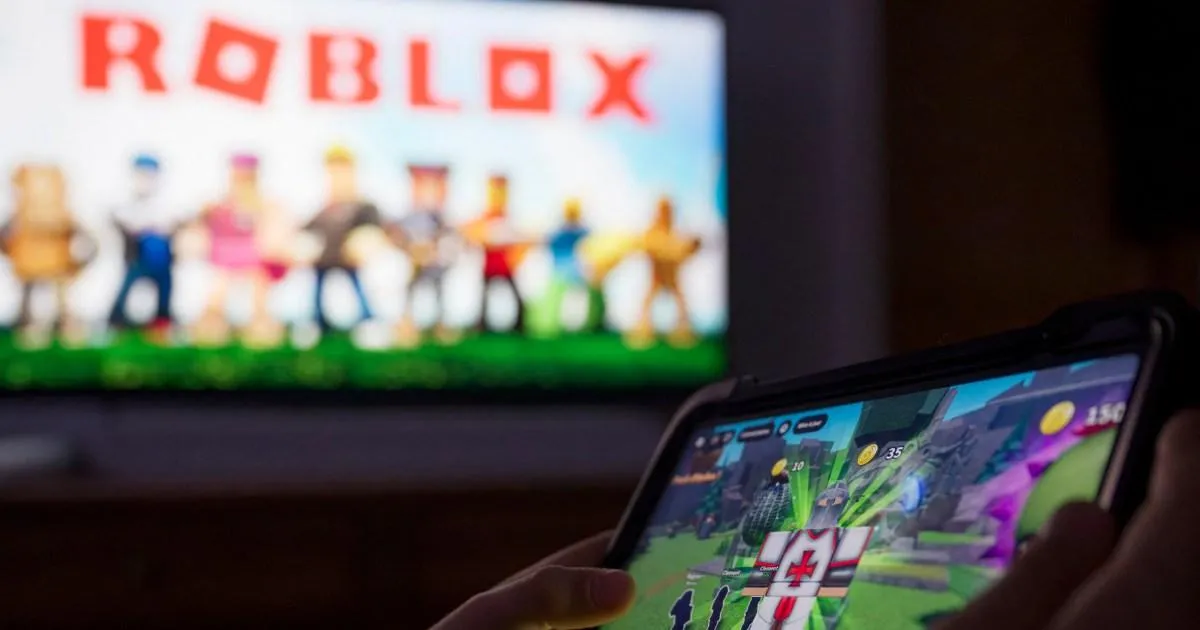
The recent reversal of the Roblox ban in Russia serves as a fascinating case study in the power of digital-native generations to influence state policy. For six long months, the wildly popular gaming platform—a digital playground where millions of children socialize, create, and explore—was shuttered by Roskomnadzor, the country’s communications watchdog. The government justified the move by citing a laundry list of concerns, ranging from terrorist recruitment to content that allegedly violated Russia’s strict laws regarding “moral development” and LGBTQ+ themes. To the state, Roblox was a potential ideological threat; to its millions of young users, however, it was a vital lifeline to their social lives and creative outlets, leading to an outcry so massive that it eventually forced the Kremlin to reconsider its stance.
The scale of the pushback was, by all accounts, historic. Rather than simply accepting the blackout, Russia’s youth mobilized in ways that mirrored traditional civic activism. The Safe Internet League, an organization usually aligned with pro-Kremlin interests, found itself inundated with a staggering 63,000 letters from the country’s youth. The intensity of these complaints offered a rare glimpse into the mindset of a generation that views their digital hobby not as a luxury, but as essential infrastructure. According to reports from The Moscow Times, roughly half of the communications sent to officials contained a somber threat that cut to the core of the government’s anxieties: thousands of children expressed that the ban was so intrusive on their lives that it made them want to leave the country entirely.
Even the highest echelons of the Russian government, usually insulated from the concerns of children, could not ignore this tidal wave of dissent. Kremlin spokesperson Dmitry Peskov eventually acknowledged that President Vladimir Putin himself had been personally notified about the sheer volume of appeals coming from the nation’s youth following protests that sprang up even in remote regions like Siberia. This acknowledgment marked a rare instance where public policy was directly steered by the younger demographic, signaling a unique intersection between state censorship and the undeniable cultural ubiquity of the modern gaming landscape. The government essentially realized that while they could control the media, they could not easily stifle a platform that had become the cornerstone of their children’s daily social experience.
The resolution of the conflict arrived with the news that the Russian Ministry of Media and Communications had reached a deal with Roblox Corporation, allowing the game to return to servers across the country. The official statement emphasized that Roblox had fully complied with Russian legislative requirements, framing the return as a victory for “user safety.” Behind the scenes, this meant that the company had implemented more granular controls, including age-restricted game access and more robust mechanisms to scrub the platform of content deemed inappropriate by Russian authorities. By effectively moderating their platform to fit within the state’s stringent legal framework, Roblox secured