

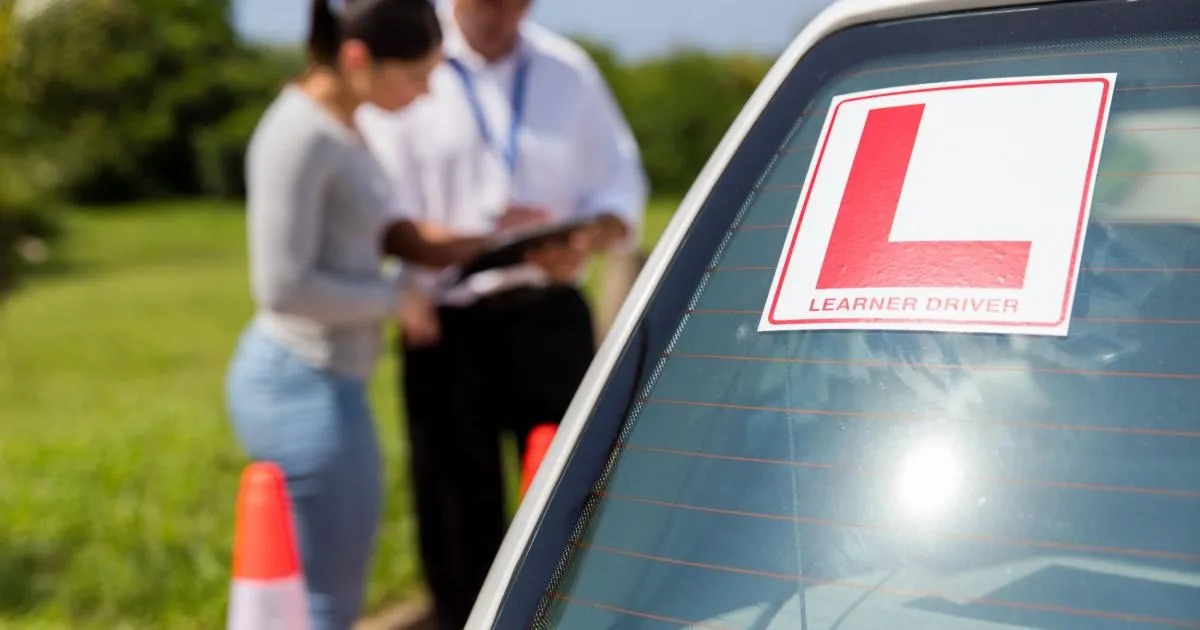
For many young people dreaming of the freedom that finally comes with getting a driver’s license, the process has recently become a frustrating ordeal defined by technical barriers and extortionate costs. For years, a specialized black market has thrived, where predatory “touts” use automated software—often called “bots”—to snap up available driving test slots the moment they appear online. These individuals then resell these appointments at a massive markup, turning a standard £62 government fee into a lucrative business. In some cases, desperate learners have been forced to pay as much as £500 just to secure a spot, a practice that has significantly contributed to the ongoing, agonizing backlog in the national testing system.
The Driver and Vehicle Standards Agency (DVSA) has finally drawn a line in the sand, announcing a comprehensive crackdown designed to reclaim the system for genuine applicants. By leveraging advanced detection software, the agency recently identified and scrapped 450 suspicious bookings that violated their regulations. These automated systems are now sophisticated enough to flag irregular patterns, such as a single payment card being used to hoard multiple appointments for different students. This targeted disruption is a welcome move for learner drivers who have been sidelined by third-party profiteers who never intended to take the tests themselves, but merely treated them as commodities to be traded for profit.
The reforms extend beyond just canceling illicit bookings; the DVSA has effectively dismantled the infrastructure these bad actors rely on. As of mid-May, new regulations prevent driving instructors from mass-booking slots, ensuring that tests are managed exclusively by the learners themselves. Additionally, the agency has successfully pressured major app stores to remove 17 unauthorized third-party apps that were designed specifically to facilitate the reselling of test dates. By instituting these barriers, the government is making it mathematically and financially impossible for digital middlemen to treat the national driving test schedule like an unregulated secondary ticket market for a sold-out concert.
Further measures introduced this week aim to stop the “geographic hoarding” of slots, where opportunists book tests in random cities—only to hold them hostage until a desperate learner pays up. Under the new policy, candidates who need to change their test location are restricted to choosing from within three test centers nearest to their original booking. This tweak is intended to ensure that test slots are only booked by those who actually intend to sit for the exam in their local area. Since the introduction of these more stringent protocols, the agency has already banned over 4,000 users from accessing the online booking portal for system abuse, signaling a zero-tolerance approach toward those who undermine the integrity of the process.
Government officials have been swift to defend these changes, emphasizing that the burden of securing a license should not involve battling an unfair, corrupt system. Roads Minister Simon Lightwood remarked that the priority must be helping students get “test-ready,” rather than forcing them to navigate a minefield of over-inflated prices and black-market touts. DVSA chief executive Beverley Warmington echoed this sentiment, framing these actions as a promise kept to the public. She noted that the agency now possesses both the technological tools and the unyielding determination required to keep the pressure on anyone attempting to circumvent the law, effectively declaring that the era of exploiting learner drivers for personal gain is coming to an end.
Despite this progress, the road ahead remains somewhat long, as the national testing backlog remains a significant concern for the agency. Average wait times have climbed to nearly 22 weeks—a stark contrast to the five-week wait experienced pre-pandemic in 2020. However, the DVSA is working hard to increase capacity, having already added 240,000 extra tests over the last year. By purging the system of “dodgy” bookings and silencing the automated bots, the hope is that these slots can finally be utilized by the people who need them most: the genuine learners who have put in the hours, mastered their skills, and are ready to safely hit the road on their own.