



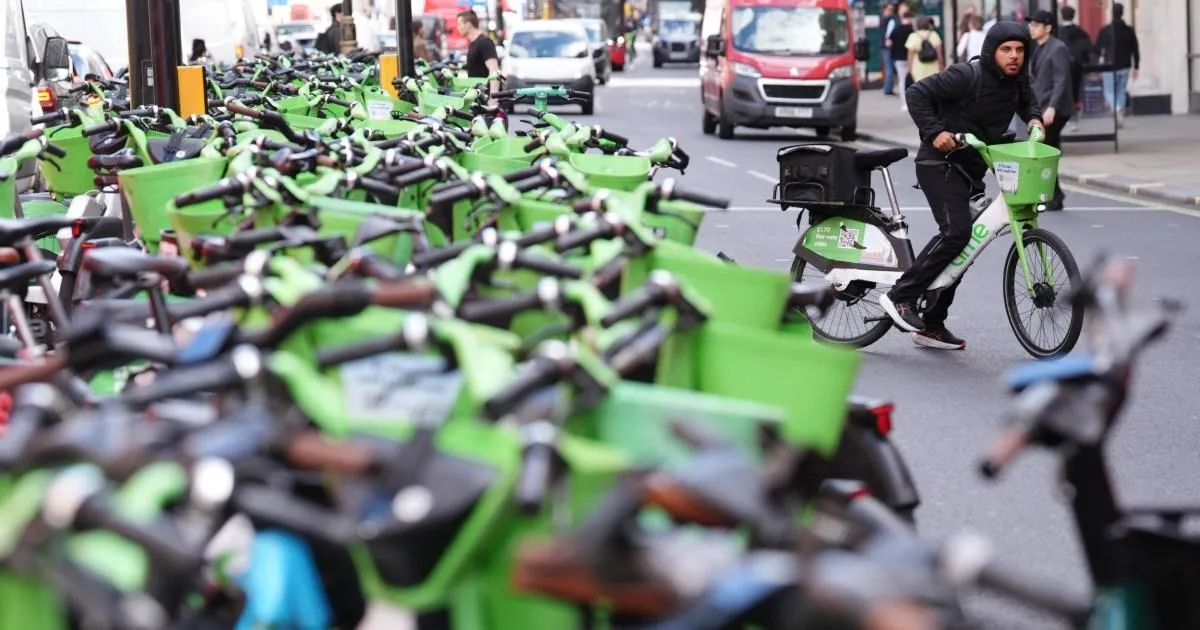
For many Londoners, the sight of Lime e-bikes strewn across pavements has become a source of significant frustration, turning into a “Marmite” issue—you either love the convenience of the service or you find the clutter an absolute nuisance. Over the past few years, the uncontrolled expansion of these dockless bikes has sparked heated debate, with residents complaining about blocked walkways and accessibility issues. The tension reached a boiling point last year when the London Borough of Islington threatened to banish e-bike operators entirely unless they took immediate action to curb obstructive parking and noise. It was a clear signal that the status quo was no longer tenable, forcing a much-needed rethink of how these services interact with the city’s crowded streets.
In a proactive effort to restore order, Lime has now entered into a new, collaborative agreement with the Westminster City Council. The core of this initiative is a data-sharing partnership, where Lime will provide the council with real-time analytics regarding bike numbers and specific locations across the borough. By monitoring these eight square miles with granular precision, the council and the operator hope to anticipate usage spikes before they cause chaos. This intelligence will allow for more dynamic management of parking bays and help the company deploy operational teams to “hotspot” areas more effectively, ensuring that pavement clutter is addressed before it inconveniences the public.
Beyond just shifting bikes around, there is a renewed emphasis on personal accountability for those who use the service. Recognizing that the convenience of “dockless” parking shouldn’t come at the cost of public accessibility, Lime is intensifying its enforcement measures. Riders who flout parking regulations—leaving their bikes in unauthorized spots—now face a tiered system of financial penalties, ranging from £2 to £10. For those who repeatedly ignore the rules and disregard the needs of their fellow Londoners, the consequences escalate further, with the potential for permanent bans from the platform. It is a clear message that the “park anywhere” mentality is being replaced by a culture of responsibility.
Westminster’s leadership has been vocal about the necessity of this shift. Councillor Paul Swaddle, the newly elected leader of the council, has categorized the resolution of this issue as a top priority for his administration. He acknowledges that while e-bikes provide a valuable and popular transport choice for locals and commuters alike, their presence must be harmonized with the city’s urban infrastructure. The hope is that through this closer working relationship, the council can move away from reactive complaints and toward an “hour-by-hour” intelligence strategy, effectively preventing bike “piles” from forming in high-traffic or pedestrian-heavy pedestrian zones.
The commitment from the service provider is equally robust, with Lime promising to increase investment in dedicated parking infrastructure and boost the presence of its on-street patrollers. These dedicated teams are now scouring the streets seven days a week, tidying up haphazardly dumped bikes and ensuring that the sidewalks remain accessible to everyone, regardless of whether they choose to cycle or walk. Jack McKenna, Lime’s senior policy manager, expressed optimism that this localized, ward-by-ward approach will not only soothe tensions but also ensure the service remains a viable, high-functioning part of the city’s transport network as demand continues to rise.
Ultimately, these measures aim to balance the undeniable utility of e-bikes with the sanctity of the city’s pavements. While dockless bikes have proven to be a vital lifeline during city-wide disruptions—such as the significant surge in trips recorded during recent Tube strikes—that utility can only be sustained if the community remains on side. As London navigates the growing pains of a micro-mobility revolution, the partnership between Westminster and Lime serves as a potential blueprint for other boroughs. By blending smart technology, stricter enforcement, and increased boots on the ground, the city is striving to prove that modern transport solutions don’t have to come at the expense of its residents’ quality of life.