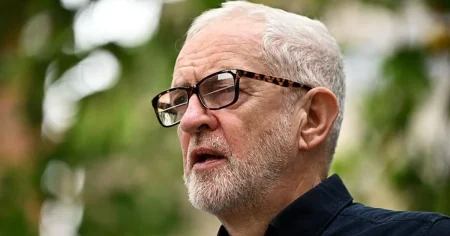


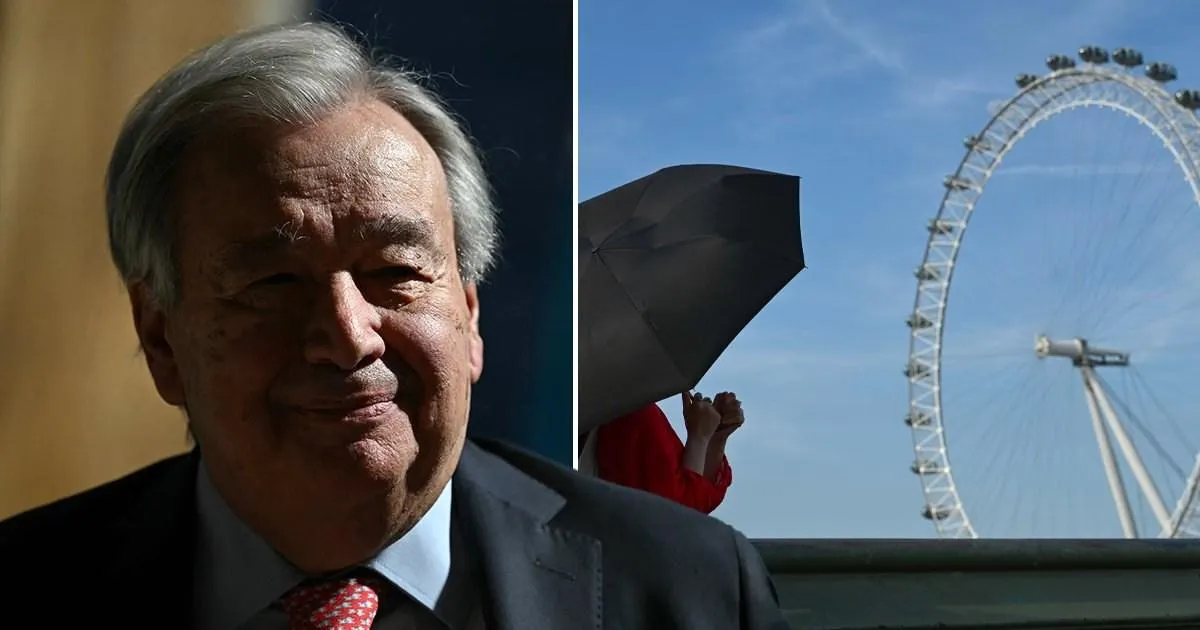
The stifling heat currently gripping London is more than just an uncomfortable summer spell; it is a visceral wake-up call for the entire world. As the city swelters under a record-breaking dome of heat, UN Secretary-General António Guterres has used the backdrop of London Climate Action Week to deliver a stinging, necessary reality check. Invoking the literary legacy of Charles Dickens, Guterres noted that while the city is famously associated with the “best of times and the worst of times,” it is currently facing a “tale of two crises.” London, he famously remarked, “isn’t just calling; it’s cooking,” and this observation serves as a stark metaphor for a planet pushed to its limits by a reliance on the very resources that are slowly making it uninhabitable.
At the heart of the UN chief’s warning is the undeniable, destructive link between the escalating climate crisis and our global dependence on fossil fuels. While market instability and geopolitical conflicts—such as the volatility surrounding the Iran conflict—often take center stage, Guterres argued that these economic shocks are merely symptoms of a deeper, structural folly: our addiction to hydrocarbons. Whether it is rising temperatures driving us toward catastrophic environmental tipping points or energy markets reeling from price surges, the root cause remains the same. By framing these issues as a single, shared struggle, he challenged the notion that we can prioritize economic interests over the health of the planet without eventually losing both.
The meteorological reality currently unfolding in the UK underscores the urgency of his mission. With the Met Office issuing rare red weather warnings and temperatures threatening to brush against the 40°C threshold, the impact of these extreme conditions is tangible and immediate. The term “tropical night”—a phenomenon where temperatures fail to drop below 20°C—is becoming an increasingly common feature of the British summer, disrupting our biological rhythms and infrastructure alike. When combined with the arrival of the El Niño phenomenon, which traditionally spikes global temperatures further, it is clear that we are not just witnessing a temporary weather event; we are seeing the acceleration of a long-term, human-driven environmental shift.
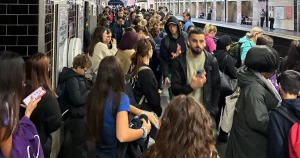
Living through this heatwave has brought daily life in the capital to a localized standstill. Transport networks, which were never designed to manage the sweltering intensity of a warming climate, are buckling under the pressure. Network Rail and Transport for London have been forced to issue stark warnings, advising the public to avoid travel unless absolutely essential. The infrastructure itself—steel tracks that expand and power systems that struggle—simply cannot cope, leading to speed restrictions and service cancellations. This disruption serves as a blunt reminder that our cities are physically ill-equipped for the climate we have created, leaving residents to navigate a landscape where even routine travel becomes a hazardous ordeal.
As the city searches for relief in air-conditioned corners and hunkers down against the encroaching lightning storms, the question remains: what does a path forward look like? Guterres advocates for a “fast, fair transition” to clean, renewable energy, combined with an intense focus on building climate-resilient infrastructure. However, this is not just about technology or policy; it is about climate justice. The Secretary-General emphasizes that the burden should not fall solely on those who are most vulnerable to the harm already wrought. Instead, he calls for a global, coordinated surge in support—a collective recognition that the safety of the individual is tied to the sustainability of the global community.
Ultimately, the plight of London serves as a microcosm for a broader, global narrative that we can no longer afford to ignore. We are moving beyond the era of warnings and entering an age of consequence, where the choices we make today regarding energy and equity will determine the stability of the world tomorrow. As Londoners look for ways to stay cool in the shadow of this historic heat, the rest of the world must take note of the rising tide—or in this case, the rising heat. Whether through individual action or multinational transformation, the “tale of two crises” must be resolved with the same urgency that we would apply to any other life-threatening emergency, because the planet, much like the capital, is rapidly running out of time.