

The following is a summary and reflection on these tragic events, written with a focus on the human impact and the broader environmental context.
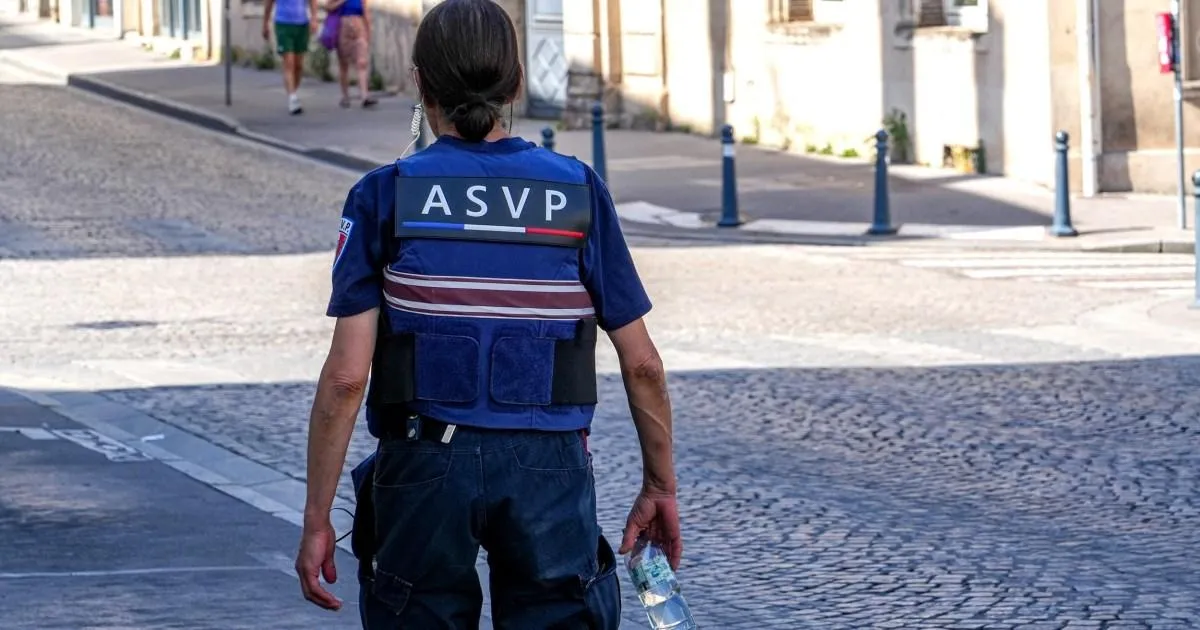
A profound and heartbreaking tragedy unfolded this week in the quiet town of Carpentras, in southern France, where two young children, aged just two and four, lost their lives under devastating circumstances. On a day when the thermometer soared to a blistering 38°C, the two children were discovered unresponsive inside their family’s car, which had been parked in their garage. By the time emergency responders arrived on the scene at approximately 1:10 p.m., it was already too late to intervene. The loss of such young, innocent lives is a parent’s worst nightmare and a tragedy that has left the local community and the wider public reeling in collective grief.
Initial reports from the family indicate that the children’s 33-year-old mother was, in her own words, “unaware” of their presence in the vehicle. The mother reportedly suggested that she had simply “forgotten” the children after returning from a shopping trip, a statement that underscores the unfathomable fragility of human oversight and the horrific speed at which a routine day can turn into a catastrophe. While the authorities have yet to formally question her, the investigation into how the children came to be left in the vehicle—and how long they had been trapped in the suffocating heat—is ongoing. This event serves as a harrowing reminder of how quickly the interior of a car can become a lethal oven, particularly during the intense heatwaves that are becoming increasingly common across Europe.
This tragedy is set against the backdrop of a continent gasping for relief as a record-breaking heatwave sweeps across France and beyond. With temperatures climbing past the 40°C mark in various regions, the French authorities have been forced to implement strict safety measures, including the cancellation of outdoor sporting events and restrictions on public alcohol consumption. Military forces and emergency services remain on high alert for wildfires, a persistent threat during such extreme conditions. For many across Europe, the simple act of existing outside has become a challenge, with tourists and locals alike seeking shade beneath umbrellas or retreating indoors, highlighting the severity of the climate conditions we are currently facing.
The danger of this extreme heat is no longer confined to the continental mainland; the United Kingdom is currently grappling with a climate reality that would have been unimaginable just a few years ago. Having issued its own rare “red alert” for extreme heat, the UK is bracing for temperatures that challenge its historical norms. Experts from the Met Office note that the country’s climate is shifting, with consecutive summers breaking records established long ago. This week, regions across England and Wales are being warned that temperatures could reach up to 40°C, a level of heat that poses a genuine risk to life, threatening not just the vulnerable, but even those in peak physical health who are unaccustomed to such extreme conditions.
The implications of this heatwave extend far beyond mere discomfort, touching upon the structural stability of modern society. The UK Health Security Agency’s red alert signifies a threat that reaches into the very foundations of daily life, potentially disrupting food and water supplies, energy grids, and transport networks. There is an increasing sense of collective anxiety as forecasters point out that these heatwaves are becoming more frequent, more intense, and more prolonged. Nighttime humidity levels are also failing to drop, denying the human body the essential recovery time needed after a day of intense heat, which creates a compounding effect of heat-related exhaustion and health complications that the infrastructure is struggling to manage.
Ultimately, these combined events—the localized tragedy in Carpentras and the broader climatic crisis unfolding across Europe—force us to confront a difficult question about our future. Environmental advocacy groups like Greenpeace are highlighting the staggering nature of these forecasts, noting that the cost of extreme heat is being paid by ordinary people who are finding themselves living in an environment they did not design. As the world watches these temperatures climb, the focus remains on the imperative to protect the most vulnerable among us. While policy and climate action are subjects for international debate, one thing remains clear: in a world growing dangerously hotter, the safety and protection of our children must remain our highest and most vigilant priority.