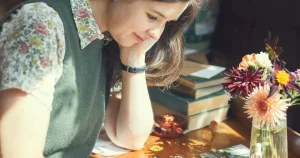

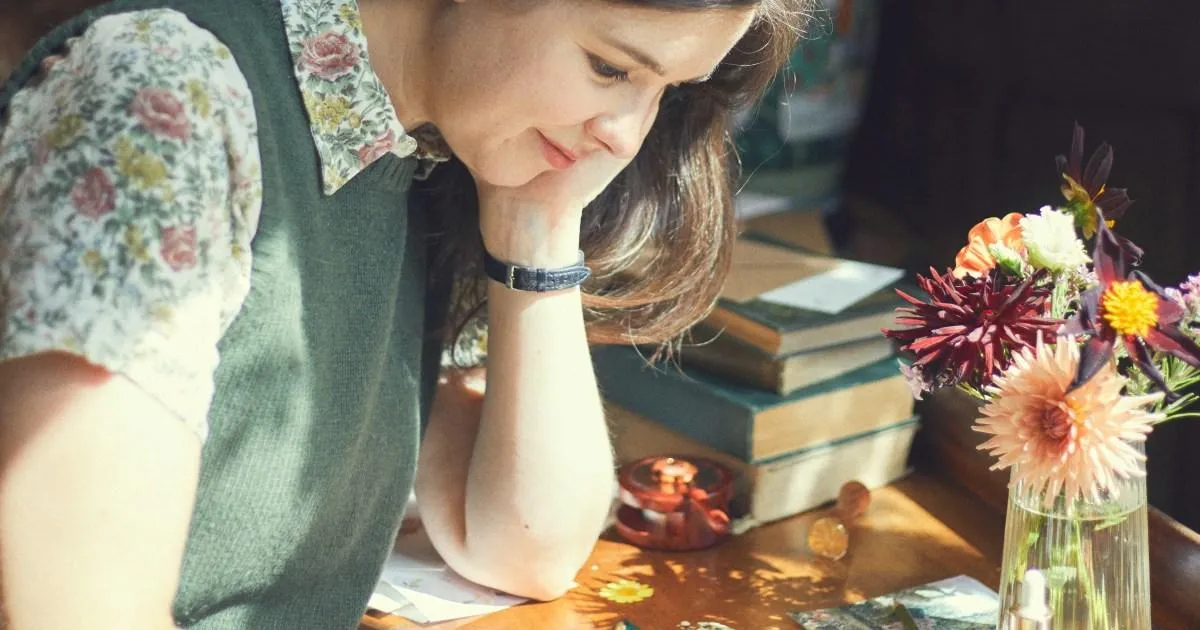
In a world dominated by the dizzying flicker of screens and the relentless hum of digital notifications, Rebecca Maguire has sparked a quiet revolution. As the owner of Wildflower Illustration Co, a charming stationery shop in Cheltenham, she found herself repeatedly listening to the same melancholy observation from her customers: the art of the handwritten letter is slipping through our fingers. Many felt that sending a letter out of the blue would seem erratic or alarming to a modern recipient, yet they deeply mourned the loss of the physical connection that once defined our correspondence. Haunted by the childhood joy of receiving sketches and personal notes from her great-uncle Colin, Rebecca realized that the loss of this tradition was creating a void in our collective emotional landscape.
Driven by a desire to reconnect, Rebecca and her husband, Karl, decided to lead by example. Despite the chaotic demands of a growing business and the recent birth of their daughter, Edie, they committed to carving out time every Sunday for their family to put pen to paper. Along with their seven-year-old daughter, Alba, they turned letter-writing into a sacred weekly ritual. What began as a private family practice quickly blossomed into something much larger in October of last year when they launched “The Sunday Letter Project.” It was a simple invitation for others to reclaim their time, and within a few short weeks, over a thousand people had pledged to pick up a pen, proving that this lost art was not dead, but merely waiting to be rediscovered.
The movement’s rapid growth suggests that we are collectively experiencing a “digital hangover.” Rebecca notes that people are increasingly fed up with the hollow cycle of doom-scrolling—a habit that studies suggest consumes over four years of the average person’s life. In response, she expanded the project to include a global pen pal initiative, partnering with hundreds of independent bookstores and stationery shops where people can exchange letters with strangers. By providing a physical, tangible alternative to the ephemeral nature of text messages and emails, Rebecca has given people a way to ground themselves. When a single Instagram video about the project went viral, clocking in a million views, it confirmed that the longing for authentic, physical memories is far more widespread than we might have imagined.
Today, the statistics behind the project are staggering: 12,000 members are committed to the practice, with the mission on track to deliver three million letters over the next five years. The project has transcended mere nostalgia; it is now a vital service, as Rebecca partners with charities to send letters to the lonely, the isolated, and those battling serious illnesses like cancer. There is a profound psychological weight to receiving a handwritten note. Unlike a digital message, a letter freezes time; the ink, the smudge, and the unique pressure of the writer’s hand capture the true essence of a person. In a world where our connections often feel increasingly “thin” and automated, these physical tokens serve as a bridge, anchoring us in a shared, human experience.
Beyond the social benefits, Rebecca emphasizes that letter writing is a deeply grounding act of self-care. She argues that we have traded the slow, satisfying effort of real-life creation for the “empty dopamine” of quick-fix digital consumption. When you select your stationery, choose your stamps, and focus your thoughts, you are engaging in a deliberate, intentional act of creation that fosters a genuine sense of accomplishment. It is a necessary counterbalance to the rapid, impersonal rise of artificial intelligence and the constant pressure of the digital age. By slowing down to write, we aren’t just communicating; we are training our brains to focus, to think critically, and to value the effort behind our interactions.
As Rebecca looks to the future, she hopes to see a new generation reclaim this joy, ensuring that children grow up waiting for more than just credit card bills or shopping packages in the post. She encourages everyone to view letter writing not as an antiquated chore, but as a liberating, meditative practice that helps us reclaim our humanity. The beauty of The Sunday Letter Project lies in its accessibility; it is a small, manageable leap that leads to a massive shift in perspective. By carving out that quiet hour each week, we have the rare chance to step out of the digital blur and re-establish the kind of deep, meaningful connections that truly make life worth living.