

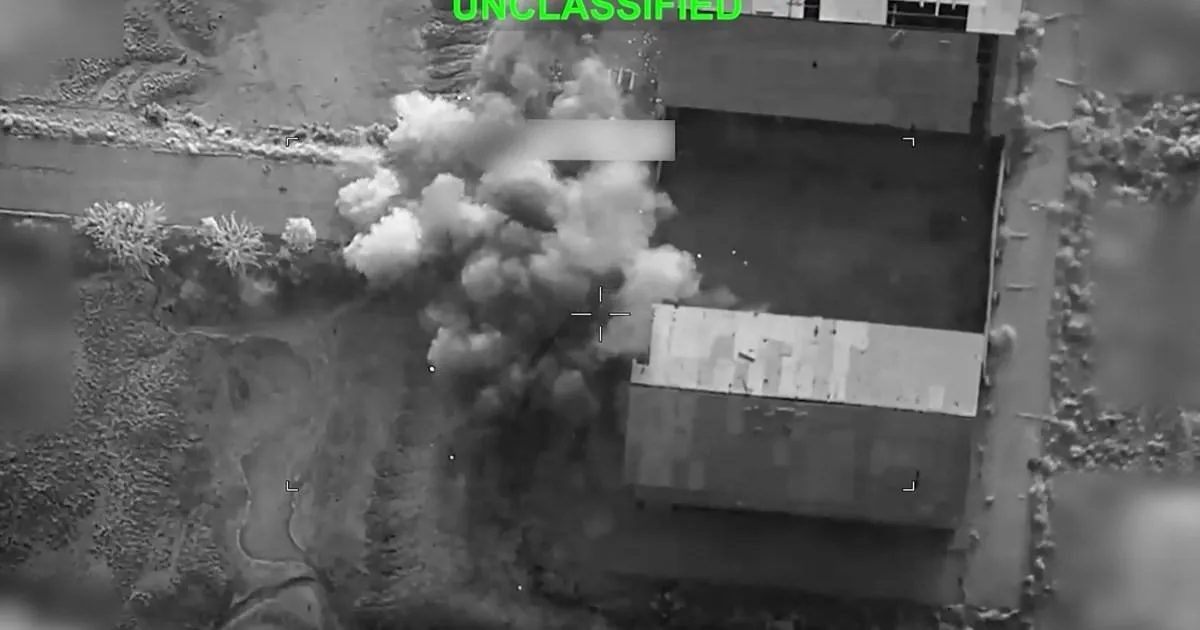
The geopolitical climate in the Middle East has reached a precarious boiling point as the United States initiates a fresh wave of military strikes against Iran. This escalation follows a series of aggressive maneuvers by Iranian forces targeting vessels navigating the Strait of Hormuz, a critical artery for global maritime commerce. As diplomatic channels remain stalled and tension mounts, the U.S. has responded by reimposing a strict blockade on the waterway. This development serves as a stark reminder of how quickly regional instability can threaten the flow of global trade and the safety of international crews who risk their lives daily to transport essential goods.
The animosity has spiraled beyond maritime harassment, with evidence suggesting that Iran has intensified its campaign against U.S. allies throughout the region. Missile and drone strikes originating from Iranian influence have reportedly impacted Bahrain, Kuwait, and Jordan, broadening the scope of the confrontation. In response, the rhetoric from Washington has turned increasingly dire. President Trump has issued a blunt warning, suggesting that if Iran refuses to de-escalate, the U.S. will broaden its military scope to include critical civilian infrastructure, such as power plants and bridges, effectively threatening to cripple the nation’s ability to function.
President Trump’s approach is defined by a high-stakes ultimatum, emphasizing that the window for a peaceful resolution is rapidly closing. While he has been hesitant to set a formal deadline, his language is clear: the status quo is unacceptable, and the consequences of continued defiance will be total. By declaring that Iran must “make a deal” or face the destruction of its assets, the administration is betting that the threat of overwhelming force will bring Tehran to the negotiating table. This “peace through strength” strategy stands at the heart of the current foreign policy doctrine, which seeks to compel adversaries to negotiate under the duress of potential systemic collapse.
However, this aggressive stance has garnered nuanced support even from those historically wary of foreign interventions. Vice President JD Vance, once a vocal critic of open-ended Middle Eastern entanglements, has thrown his weight behind the administration’s strategy. He frames these strikes not as the start of a “forever war,” but as a precise, surgical application of power. According to Vance, the objective is not to bomb indefinitely, but to use military force as a leverage tool tied directly to specific outcomes—deterring attacks on international shipping by rendering the launch facilities unusable. By positioning these actions as a controlled instrument of diplomacy, the administration aims to reassure the public that this is not a slide into another, unchecked quagmire.
Technologically, this conflict reveals an evolving landscape where traditional combat is being overtaken by high-tech automation. For the first time, the U.S. military has deployed uncrewed surface vessels (USVs)—often described as “drone boats”—as active strike weapons in a combat zone. These assets are specifically targeting Iranian naval facilities at the Bandar Abbas Naval Base. This transition toward autonomous naval warfare represents a significant shift in military strategy. Beyond their offensive capabilities, these USVs have proven their worth in humanitarian and tactical roles, such as the recent successful search-and-rescue operation for a downed U.S. Army Apache helicopter crew in the Gulf of Oman, showcasing a future where machines handle the most dangerous zones of conflict.
Ultimately, the situation remains deeply volatile, with the lives of thousands of military personnel and civilians hanging in the balance. The intersection of modern autonomous warfare and old-school geopolitical brinkmanship creates a tension that is felt far beyond the confines of the Strait of Hormuz. While the technological sophistication of the U.S. Navy offers a sense of operational superiority, the human element—the fear of total war, the disruption of regional stability, and the weight of the president’s “do or die” ultimatum—remains the central concern. As the clock ticks down, the world watches to see if this pressure will truly force a deal or if the region is destined for an even deeper, more destructive cycle of violence.