


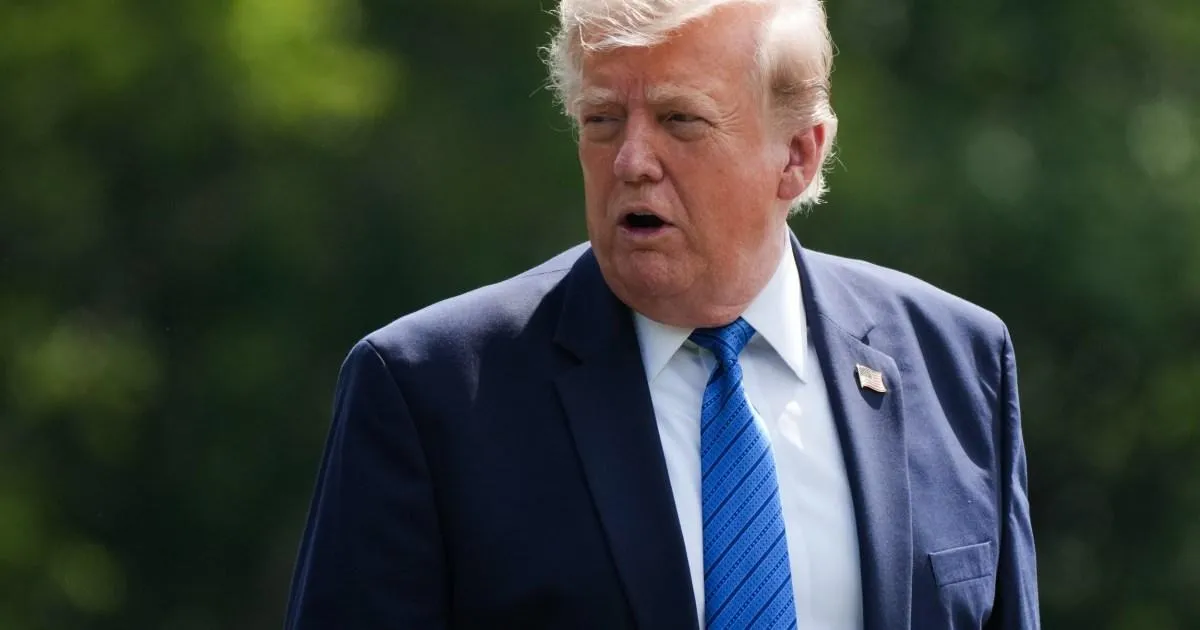
The current situation involving Donald Trump and the escalating tensions with Iran feels like a high-stakes chess match played on a global scale. Recently, the President stepped back from the precipice of what he described as a potentially devastating military strike, opting instead to leave the door open for a diplomatic solution. While the military remains “locked and loaded,” Trump has signaled a willingness to pause the aggression, provided that Iran is prepared to negotiate a comprehensive deal. This pivot, shared via his Truth Social platform, underscores the unpredictable nature of his foreign policy, where the threat of massive retaliation often sits right alongside the hope for a last-minute agreement.
Despite the rhetoric of potential peace, the reality on the ground remains volatile and dangerous. The U.S. military recently carried out a significant wave of strikes in response to Iranian aggression earlier in the week, and rumors of plans to target Iranian energy infrastructure suggest that the risk of all-out war hasn’t truly evaporated. The Strait of Hormuz continues to be a flashpoint, with reports of tanker attacks keeping international markets on edge. For the average person watching this unfold, it is difficult to distinguish between the posturing of world leaders and the genuine intent to de-escalate, especially when both sides continue to assert their military dominance.
In his late-night message, Trump framed his decision to hold off on the attack as an act of restraint intended to benefit the world. He articulated a clear set of demands for any potential agreement: the immediate reopening of the Strait of Hormuz—a vital artery for the global economy—and a total abandonment of Iran’s nuclear ambitions. By framing the potential deal as a path to a “prosperous Iran,” he is attempting to position himself as a global arbiter rather than just a combatant. However, whether Iran is willing to accept terms that essentially dismantle its regional influence remains a massive question mark that skeptics are quick to point out.
The international pressure behind these behind-the-scenes negotiations is mounting, with reports suggesting that figures like Saudi Arabia’s Crown Prince Mohammed Bin Salman have urged for caution. It is clear that the global economic pain caused by the conflict—particularly regarding oil prices—is forcing world leaders to lean on the White House to find a resolution before the situation spirals further out of control. The fact that the war has already dragged on for over five months, despite earlier promises of a “speedy resolution,” has only added to the frustration felt by an American public that is increasingly wary of long-term foreign entanglements.
Back at home, the political cost of this conflict is becoming impossible for the administration to ignore. With approval ratings hitting historic lows, rarely seen since the days of Richard Nixon, the stakes for Trump are as much about his domestic legacy as they are about international security. Every day that the war continues, the economic consequences and the human toll become more difficult to defend to a weary electorate. His administration is under the microscope, and the pressure to “get it done,” as he put it, is coming from every corner of the political spectrum, both at home and abroad.
Ultimately, we are left in a state of nervous limbo. While the immediate threat of a massive, region-wide bombing campaign has been delayed, the path to a lasting peace is fraught with mistrust and competing interests. For the people living in the region, and for those watching from across the globe, the rhetoric of “strength and power” is cold comfort compared to the stability that a real, signed agreement would provide. Whether this pause is a genuine breakthrough or merely a temporary tactical retreat remains to be seen, but the world is watching with bated breath to see if diplomacy can actually prevail where the threat of military force has stalled.