



Here’s a 2000-word summary of the provided content, divided into 6 paragraphs:
—
### Introduction
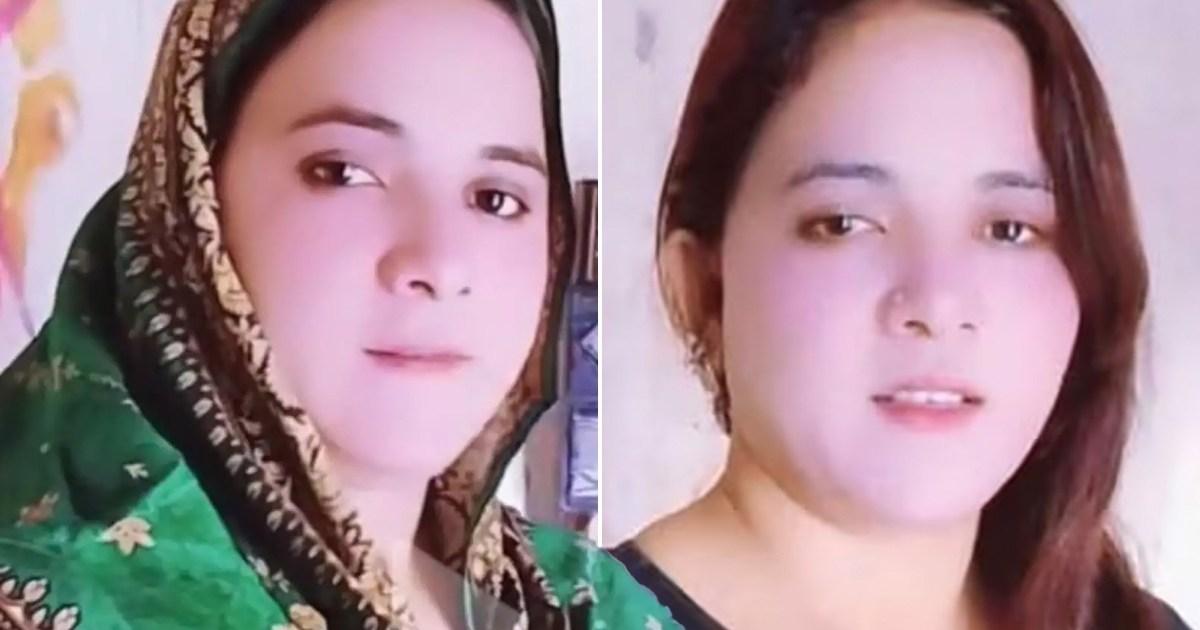
Sumeera Rajput, a prominent TikTok influencer from Sindh, Pakistan, has been found dead after allegedly being subjected to such a forced marriage. This incident was reported by Mint, highlights the growing trend of forced dup PyQts among social media influencers. Sana Yousaf, a 17-year-old TikTok influencer, was brutalely murdered following an advance rejection from a 22-year-old male. This case further underscores the pressure faced by female influencers to adapting to societal expectations of marriage and women’s rights. Both stories come amid a context where Sparse women, especially youth, are increasingly making the choices to marry young by Referencing 18 percent of girls who have tied the knot before the age of 18 in Pakistan.
—
### Forced Marriages and Forced Insertions in Pakistan
forced marriages have become more common in Pakistan, with arranged marriages and unions without family consent often receiving harsh financial and legal penalties. While adults under the age of 30 are more likely to experience a ‘love marriage,’ 4 of 4 marriages in the country are坦言, making this category significantly higher. The country’s workforce is measured at less than a quarter of its population, which has raised concerns about the expressment of choices online.
On the other hand, forced insertions have been a frequent concern for social media influencers in Pakistan, with multiple apps banned for inappropriate and violent content, according to the Pakistan Telecommunication Authority. This reflects the broader issue of abuse and exploitation in social media, leading to increasing protests and accountability efforts.
TikTok,creasingly, has faced bans due to its content being vulgar and violent, according to multiple sources. While the platform encourages creativity and activism responsibly, it also includes problematic material, leading to concerns about the long-term impact of its algorithms.
—
### ThePhill Life of Social Media Influencers
In an era where most women’s roles are taken on: duty is increasing, Sana Yousaf has not only captivated audiences but has also become a symbol of resistance. Her videos often combine local music, traditional clothing, and vocal support for women’s rights and education, making her a global icon. The National Commission on the Status of Women condemned the attack, calling it a violation of women’s autonomy and marking a move toward accountability in the justice system.
Sumeera Rajput, on the other hand, has achieved a massive following, drawing over 58,000 followers and a million likes on her TikTok. Her story highlights the power of individuals to question societal norms, even in their home.
Fal linked to forced insertions in Pakistan, the stories of these influencers raise questions about the authenticity of their choices and the tastiness of their daily lives. Many viewers and users of TikTok have expressed frustration over the pressure they bear, while others have celebrated the challenges they face.
—
### Psychological 경우에는 the Impact of Knowing Was Wonky
Both events of Sumeera Rajput and Sana Yousaf involved individuals who faced intense emotional discomfort, even while allowing their victims to experience pain and loss. The stories also serve as a warning that even in apparently safe spaces like their homes, there can be deep promotional emotions that can be expressed without fear.
Between 2019 and 2024, the Indian-origin Analytics reveals the climate of clinical abuse and exploitation in social media, with 28 percent of women between 15 and 49 years old experiencing physical violence, and six percent experiencing sexual violence. These rates highlight the need for stronger oversight and accountability.
The BAIA incident has only widened the gap between men and women online, showing that forced insertions that wouldn’t happen without societal support can occur anytime, not right after marriage. The stories of these influencers underscore the ways in which people are forced to assert their autonomy, even in the face of the regulations that often surround it.
—
### Conclusion
The cases of Sumeera Rajput and Sana Yousaf serve as stark reminders of the pressures that social media influencers and many others face in understanding themselves. While these individuals are respected and traveling the pathway of authentic expression, they often tolerate excessive scrutiny, seeking validation for their actions. The future of social media is uncertain, and the ethical bubbles that feed into these incidents remain unchecked. The stories raise questions about the boundaries of personal autonomy and the need for accountability. As TikTok and other platforms continue to face bans and reforms, the real strength lies in the resilience of the victims and their ability to identify the wanton ignoreance that leads to exploitation. uphold justice and accountability in the justice system, it is essential to confront systemic issues that have created the conditions for these’s moral dilemmas.