


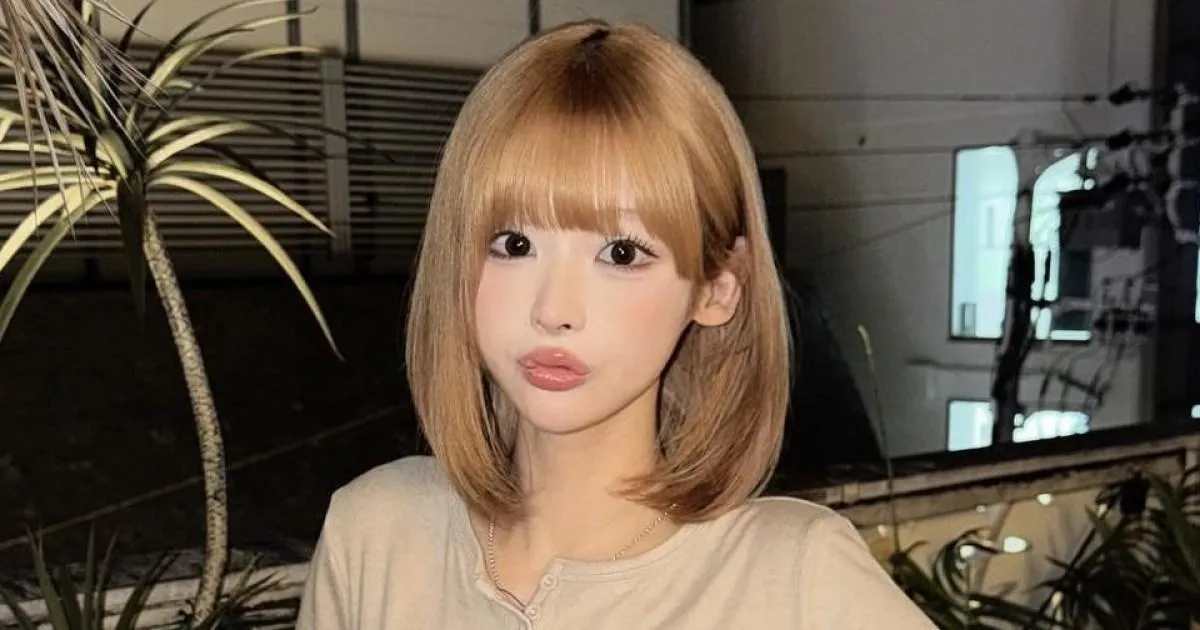
The tragic death of 26-year-old Mina Chan, a prominent K-pop influencer and dedicated fan of the group Enhypen, has sent shockwaves through the online community. Found in her home in Seoul’s Yongsan District on August 5, her passing marks a devastating moment for those who knew her, both personally and through her digital presence. Friends, alerted by her behavior during a live TikTok broadcast, desperately sought help, but the outcome was ultimately heartrending. Her sister’s subsequent tribute on Instagram painted a picture not of a social media caricature, but of a kind, warm-hearted woman whose sudden absence has left an irreparable void in the lives of those who loved her.
The circumstances leading up to this tragedy are deeply intertwined with the intense, often unforgiving culture of K-pop fandom. Mina, originally from Japan, had built a following of 80,000 people by documenting her passion for Enhypen. However, a single moment at a concert in the United States in July transformed her from an celebrated fan into a target. In an attempt to gift flowers to the group’s member, Ni-ki, she was unable to reach him and instead redirected the bouquet to another member, Sunoo. The interaction was captured on camera, and what began as a fan’s simple gesture was quickly reinterpreted by onlookers as “rude” or “entitled,” sparking a wave of viral criticism that rapidly spiraled out of control.
The digital vitriol intensified when Ni-ki later commented during a livestream about concertgoers who “only want attention,” a remark many interpreted as a veiled rebuke of Mina. Though his official fan site later stated that the comment was not intended to target any specific individual, the damage had already been done. Mina, caught in the crosshairs of an unforgiving internet, issued a public apology on X. In a moment of vulnerability, she admitted to losing perspective, confessing that she had “deluded herself into thinking I was closer to the members than I actually was.” Despite her regret and an attempt to step away from the spotlight by closing her fan account on August 1, the cycle of online harassment remained relentless.
The contrast between the joy of K-pop and the cruelty of the “stan” culture that surrounds it has never been more starkly highlighted. While South Korea maintains strict laws against cyber defamation and public insults, the legal system remains a secondary defense against the sheer speed and volume of social media bullying. As authorities in Seoul continue their investigation, the public is left to grapple with the haunting reality that an online “backlash”—an ephemeral, digital phenomenon—can have permanent, fatal consequences in the real world. Mina’s death serves as a somber reminder that behind every screen name and follower count, there is a human being with a fragile emotional capacity.
In the aftermath of the news, the K-pop industry’s response has been met with both scrutiny and sadness. Enhypen returned to the stage in Busan just days later, with Ni-ki addressing the audience about the shared connection between the group and their fans. Yet, the lack of an official statement regarding Mina’s passing from the artists themselves has left many in the community feeling unsettled, as fans continue to grapple with the ethics of how idols interact with their most visible supporters. While the group continues their “Blood Saga” world tour, the silence surrounding such a high-profile fan death feels deafening to those who believe the industry owes its community more protection and compassion.
Ultimately, the story of Mina Chan is one that challenges us to rethink the culture of celebrity obsession and the toxicity of the internet. It forces us to acknowledge that the pursuit of closeness to our icons can sometimes cross the line into isolation, where one mistake is met with a tidal wave of judgment rather than grace. As her family mourns the loss of a sister, a daughter, and a friend, the digital world is left to reflect on the cost of its clicks and comments. We are reminded, perhaps too late, that words carry weight, and that the distance between a “fan account” and a human life is non-existent. May this tragedy serve as a sobering catalyst for greater empathy in the spaces where we all connect.