
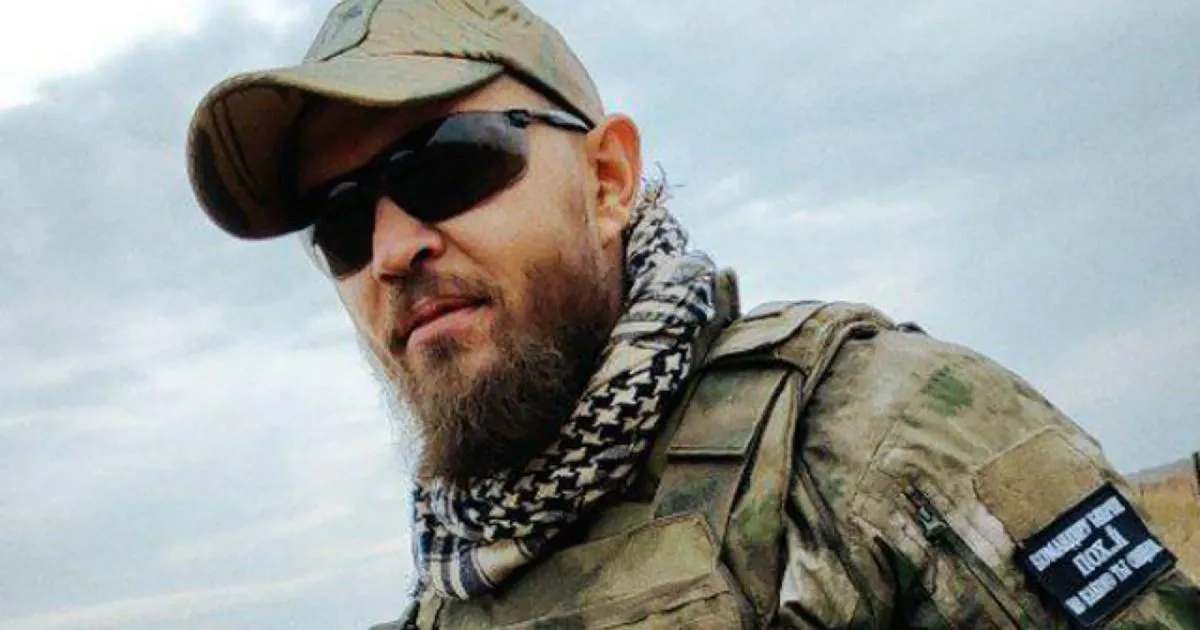
The harrowing story of Aleksandr Lunin, a 39-year-old Russian veteran, has sent shockwaves through a nation already grappling with the internal pressures of an unforgiving war. After returning from the frontline in Ukraine, where he served as a volunteer in 2022, Lunin broke his silence. He recorded a video message addressed directly to Vladimir Putin, imploring the president for a live, televised meeting to discuss the “truth” about the deteriorating situation on the front. What began as a plea from a disillusioned soldier turned into a desperate warning, as Lunin suggested that if his concerns remained ignored, the very soldiers currently fighting for the Kremlin might eventually turn their weapons back toward Moscow.
Lunin’s message was not merely a protest; it was a scathing indictment of the military command structure. In a video that garnered over 12 million views within a single day, he asserted that he was speaking on behalf of countless soldiers who have been pushed to the breaking point. According to Lunin, hundreds of troops have been imprisoned, tortured, and subjected to violence by what he described as a “Gestapo”-like internal apparatus. He claimed that these men were being punished for refusing to follow orders they deemed suicidal or senseless, or for resisting attempts to forcibly expropriate their financial assets. In his view, those who survived the frontline were often met with domestic brutality, with many others simply being declared “missing” to cover up the systemic dysfunction.
The swiftness of the state’s response highlighted the precarious nature of free speech in modern Russia. Shortly after his video went viral, Lunin was tracked down and arrested. Rather than addressing the explosive allegations he raised, authorities convicted him of “displaying extremist or Nazi symbols,” a charge that resulted in an 11-day jail sentence in the Voronezh region. While Lunin has attempted to appeal the ruling, the Kremlin has maintained a dismissive stance, claiming they have not even reviewed the content of his viral statement. This pattern of silencing dissent, even from those who once served the state, suggests a deliberate effort to insulate the leadership from the grim realities being reported by veterans on the ground.
The broader context of Lunin’s protest highlights a period of increasing instability for the Russian leadership. While the Kremlin persists in its “special military operation,” the cracks in the armor are becoming increasingly visible. International observers, including UK Prime Minister Sir Keir Starmer, have pointed toward Ukraine’s growing defensive capabilities and the mounting pressure within Moscow. The economic toll of the conflict, combined with the psychological weight of the war, is beginning to reshape the domestic mood. Reports suggest that the government is scrambling to address fuel shortages caused by Ukrainian drone strikes—a situation so dire that it has led to physical confrontations at petrol pumps, prompting Putin to consider banning diesel exports.
Beyond the domestic turmoil, Russia’s geopolitical isolation is intensifying. In tandem with the suppression of individual voices like Lunin’s, the state is physically severing ties with its neighbors. The recent closure of seven railway crossings connecting Russia to Finland, Estonia, and Latvia signifies more than just a disruption in trade; it marks a strategic withdrawal from European interaction. This iron-fisted approach to both internal dissent and external borders reveals a government that is increasingly obsessed with control. By attempting to wall itself off from the outside world while simultaneously cracking down on dissatisfied veterans, the Kremlin is striving to maintain a narrative of strength that reality seems to be rapidly undermining.
Ultimately, Lunin’s plight reflects the profound human cost of a war that refuses to stay contained within the borders of the battlefield. When a veteran who volunteered for the cause finds himself behind bars for simply calling for transparency, it paints a dark picture of the relationship between the state and its own defenders. Reports of military recruits surviving only minutes on the front, of children being introduced to military training in schools, and of returning war dead being booby-trapped with explosives serve as a haunting backdrop to Lunin’s plea. His story remains a singular, brave, and costly reminder that for many Russians, the “truth” is becoming a dangerous commodity, and the divide between the soldiers and the Kremlin is widening in ways that may have unpredictable consequences for the future of the nation.