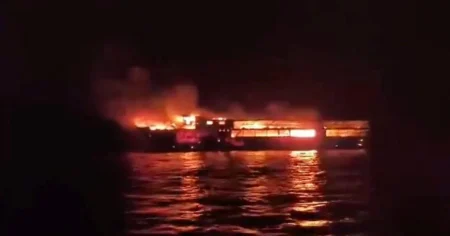



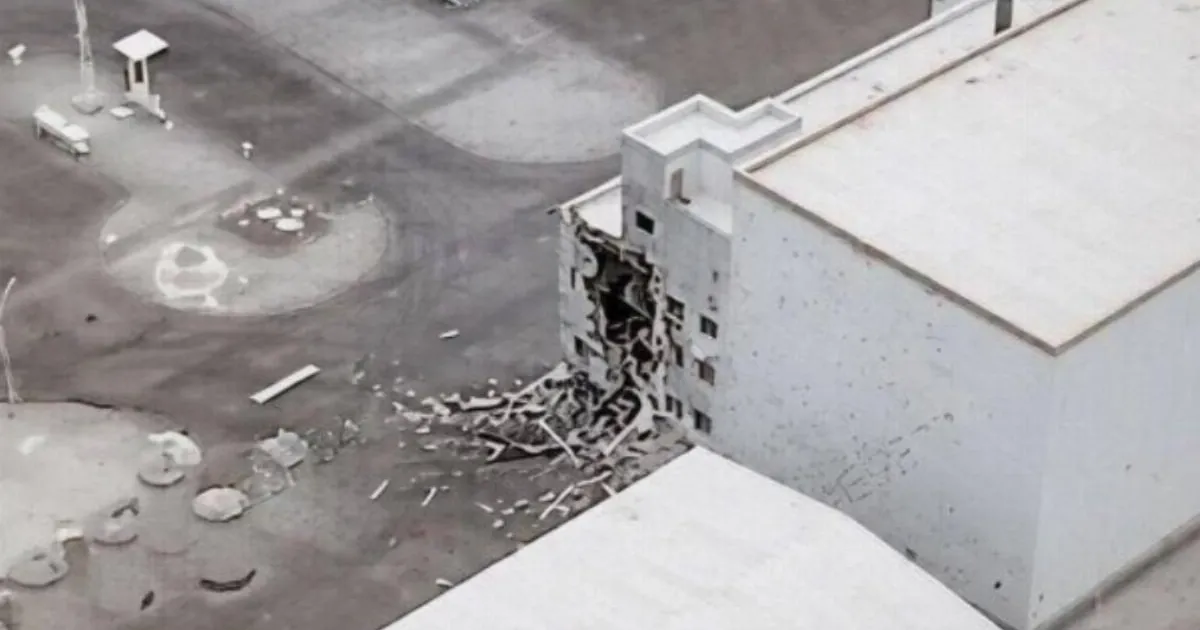
The recent drone strike on a storage facility near the Chernobyl nuclear power plant has sent a chilling reminder of the fragility of global nuclear safety during wartime. In the early hours of the morning, an attack targeted a reception area for spent nuclear fuel, sparking a blaze that—while quickly extinguished—drew immediate and sharp condemnation from Ukrainian officials. Energoatom, the state agency responsible for Ukraine’s nuclear energy, did not mince words, labeling the act as an example of “nuclear terrorism.” By striking so close to a site defined by its history of catastrophic disaster, the aggressors have once again forced the international community to confront the terrifying reality that critical infrastructure is increasingly becoming a pawn in this brutal conflict.
While the physical damage was thankfully contained to the reception area and officials confirmed that radiation levels remained within normal limits, the psychological impact of the strike is profound. For millions, the name “Chernobyl” still carries the weight of the 1986 disaster, a tragedy that forever altered our understanding of nuclear power. To see this site treated as a viable military target is a jarring violation of international norms. The fact that the building hit did not contain spent fuel at the time is a small mercy, but it does little to dampen the global anxiety that one “near miss” could eventually turn into a monumental catastrophe that wouldn’t just affect Ukraine, but could have devastating, border-crossing consequences for all of Europe.
The International Atomic Energy Agency (IAEA), led by Rafael Grossi, has been sounding the alarm for months, repeatedly urging both sides to maintain a safety perimeter around these high-stakes facilities. Grossi’s description of the event as “deeply concerning” reflects the mounting frustration felt by global experts who recognize that playing with fire in the shadow of a nuclear site is a gamble that shouldn’t be made. The agency has pledged to dispatch inspectors to the site to personally assess the damage, but the recurring nature of these strikes suggests that warnings are increasingly falling on deaf ears. When military strategy supersedes the basic, non-negotiable safety of civilian populations, the entire concept of nuclear non-proliferation feels dangerously threadbare.
This isn’t the first time the specter of nuclear danger has loomed over the exclusion zone. We are reminded of the harrowing incident in February of last year, when a Russian drone strike compromised the main shield protecting the remains of the 1986 reactor. That massive, multi-billion-pound structure was designed specifically to prevent the leakage of radioactive material, and its potential degradation was rightfully treated as an international emergency. Though technical reports later confirmed that the shield’s core functions remained intact, the sheer vulnerability of such a critical safeguard in the face of ongoing hostilities is a nerve-wracking reality that the world seems poorly prepared to manage.
History hangs over the landscape of Chernobyl like a thick fog. Having been occupied by Russian forces during the early stages of the 2022 invasion, the site has served as a dark theater of war for far too long. The occupation of an area that should be kept in a perpetual state of secure, neutral monitoring is a tactical choice that defies logic, prioritizing territorial posturing over the literal survival of the local environment. When a country claims to pursue strategic goals while simultaneously endangering the integrity of a site that is already essentially a tomb for toxic material, the mask of legitimacy slips, revealing the reckless nature of modern warfare in a nuclear-armed world.
As we look toward the future, the world must demand more than just diplomatic statements in response to these provocations. The safety of millions cannot be contingent on the hope that a stray missile or a miscalculated drone path won’t strike a particularly sensitive area. We are living through what military experts describe as an increasingly dangerous era, and the Chernobyl incident serves as a poignant, terrifying microcosm of that instability. If we continue to allow nuclear infrastructure to be included in the theater of conflict, we are not just observing a regional war; we are witnessing a slow-motion unraveling of the safety protocols that prevent our most advanced technologies from becoming our greatest undoing.