


The recent overnight assault on Ukraine stands as a harrowing reminder of the relentless brutality characterizing this ongoing conflict. Russia unleashed a devastating barrage of 68 missiles and over 350 drones, targeting civilian infrastructure and urban centers across the nation. For the residents of Kyiv and its surrounding regions, the night was defined by the terrifying screech of incoming munitions, fire, and the heartbreak of shattered lives. Amidst the chaos, the human cost was staggering: at least 11 people have been confirmed dead, while nearly 50 others sustained injuries. In one tragic instance, an entire family—a mother, father, and their son—were lost when their home was struck, serving as a grim testament to the indiscriminateness of these strikes.
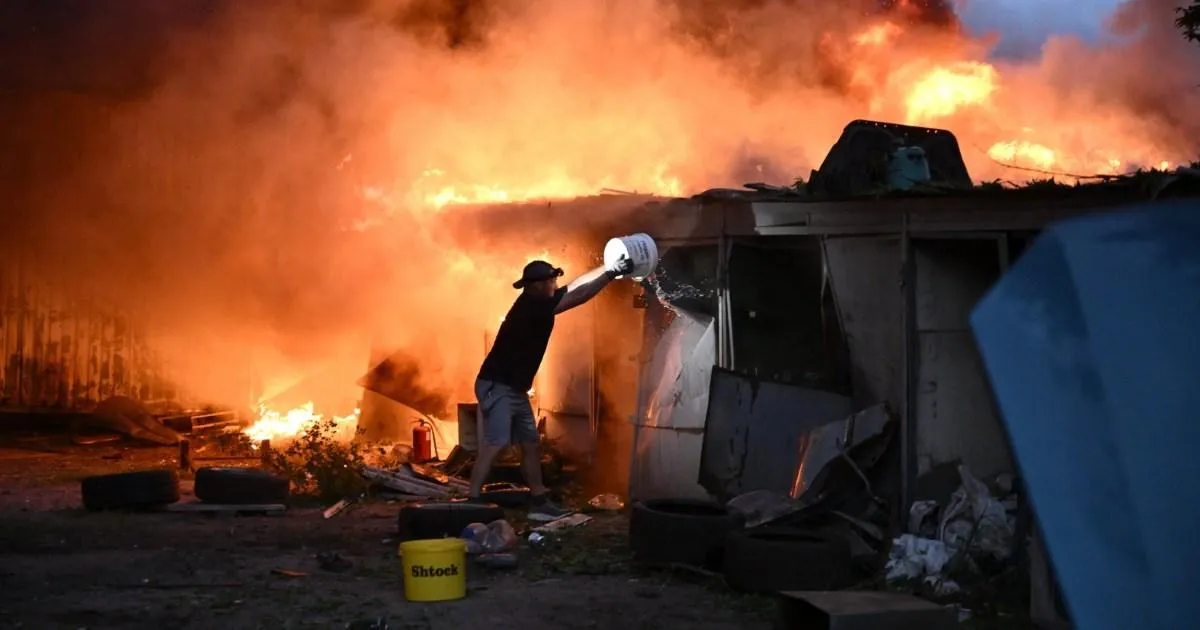
The psychological and physical toll on the Ukrainian people is immense. Beyond the loss of life, the systematic targeting of vital infrastructure, including a hydroelectric power station and various residential complexes, has plunged vast swaths of the country, including Kharkiv, Sumy, and Chernihiv, into darkness and uncertainty. In Vyshneve, residents were forced into immediate evacuation as a damaged machine-building plant released toxic smoke, leaving survivors suffering from respiratory distress and debilitating headaches. Images from the scene—burnt-out vehicles, leveled apartment blocks, and the haunting sight of children searching for missing parents—capture the visceral reality of a nation forced to endure an endless, sleepless night of terror.
The scale of the bombardment prompted an immediate, nervous response from the international community, particularly within the NATO alliance. Poland, standing on the frontlines of the eastern border, scrambled its fighter jets and activated ground air-defense systems as a preventative measure against the encroaching threat. This high-alert stance reflects the growing anxiety that the conflict could spill over into neighboring sovereign territories. The timing of this aggression, occurring mere hours before a high-level NATO summit in Ankara, is widely viewed as a provocative display of force by the Kremlin, intended to signal defiance as Western leaders prepare to discuss the ongoing geopolitical fallout of the war.
Behind the scenes of this strategic maneuvering, the war is creating a mounting crisis for both the Ukrainian population and the Russian military apparatus. President Volodymyr Zelensky, who had warned the public of a pending large-scale attack, continues to call on his citizens to prioritize their safety, even as the enemy prioritizes destruction. The assault on the Kyiv Roshen Confectionery Factory and other non-military sites underscores the desperation of a calculated campaign to paralyze the Ukrainian spirit through constant, overwhelming pressure. However, these tactics are occurring against a backdrop of deep concern regarding Western political stability, with geopolitical shifts and domestic political rhetoric in the United States casting shadows over the long-term support for Kyiv.
The conflict has also become a bottomless pit for Russian manpower. The sheer intensity of the fighting has led to a scale of loss that is difficult for the Kremlin to conceal from its own people. According to data from the Center for Strategic and International Studies, the casualty rates are unprecedented in the modern era; an estimated 450,000 Russian soldiers have been killed since the invasion began in February 2022. This figure, reflecting losses four times greater than all American fatalities across all wars since World War II, highlights an unsustainable level of sacrifice for a war that shows no sign of meaningful de-escalation. Even as Russia attempts to project strength through massive drone and missile salvos, the internal strain on its military and society is reaching a breaking point.
As this conflict grinds on, the international community finds itself at a precarious crossroads. While the immediate focus remains on the grieving families in Kyiv and the humanitarian catastrophe unfolding in devastated neighborhoods, the broader implications are global. NATO’s struggle to maintain unity in the face of potential American policy shifts, combined with the continuous, punishing war efforts of the Russian state, points to a protracted period of volatility. The tragedy of this latest attack is not just the immediate destruction of property or the loss of innocent lives; it is the realization that for millions of people, normalcy remains a distant dream, suspended somewhere in the smoke-filled air above a landscape forever scarred by war.