



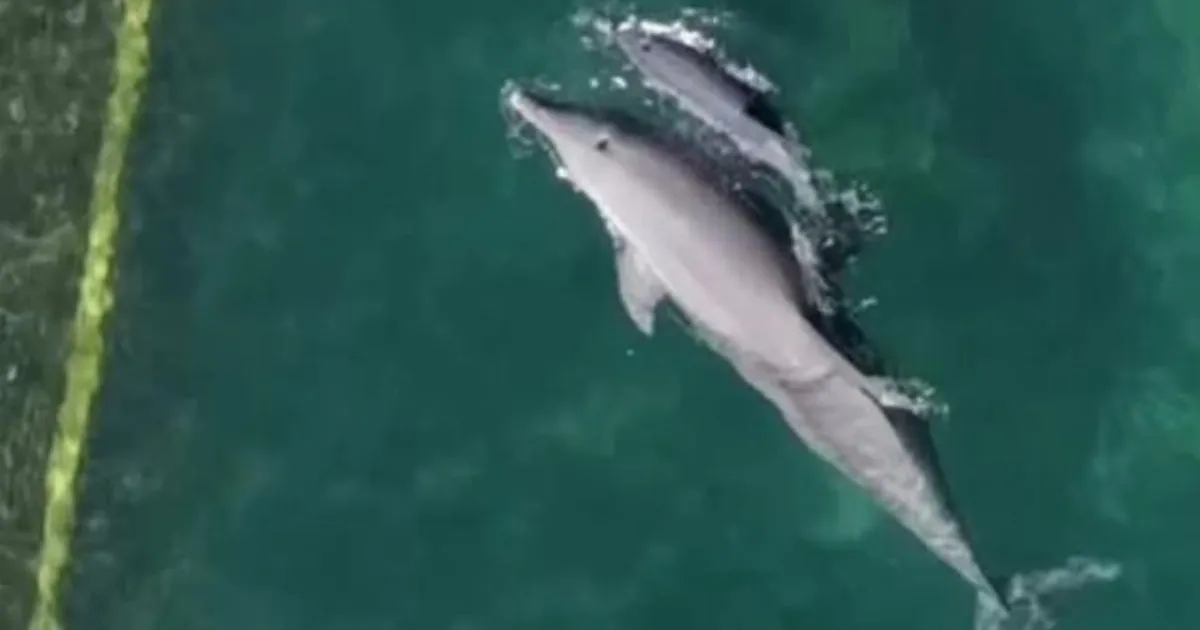
The Hyatt Ziva Cancún, a luxury resort in Mexico, is facing intense scrutiny and public backlash over its decision to host a permanent dolphin attraction within its grounds. The facility, which utilizes repurposed swimming pools originally designed for human guests, now serves as an enclosure for six captive dolphins. These animals are currently under the management of Delphinus, a provider that has operated the “dolphin experience” at this specific hotel location since 2015. While such attractions are often marketed as high-end entertainment for vacationers, they have increasingly become the target of vocal opposition from animal welfare organizations who argue that the reality of life for these creatures is far from a luxury experience.
The growing controversy gained significant momentum following the release of harrowing drone footage captured in May 2026. The video, provided by the marine animal rights advocacy group TideBreakers, offers a sobering glimpse into the daily lives of these captive animals. Rather than exhibiting the natural, dynamic movements expected of such intelligent mammals in the wild, the dolphins are seen swimming in repetitive, monotonous circles or floating aimlessly near the enclosure gates. According to campaigners, this lethargy and stereotypical behavior are hallmark signs of extreme psychological distress caused by confined, unnatural habitats that fail to meet the complex neurological and physical needs of a dolphin.
Marketa Schusterova, a co-founder of TideBreakers, conducted an on-site visit to the resort earlier this year and painted a grim picture of the dolphins’ standard of living. She described a environment characterized by shallow water, a total lack of shade, and a constant, intrusive sensory assault. Beyond the physical constraints, Schusterova noted that the animals are subjected to the relentless noise of tourist interaction throughout the day, followed by aggressive disco music and flashing laser shows at night. These conditions, she argues, deny the animals any semblance of a natural resting period, leading to physical deterioration, visible scarring, and a deep, systemic neglect of their medical and social welfare.
In response to the mounting pressure, TideBreakers has launched a coordinated global campaign calling for a total boycott of Hyatt hotels. The group is urging travelers and conscious consumers to withhold their business from the chain until the company agrees to terminate its arrangement with Delphinus and ceases the exploitation of these animals for entertainment. The campaign highlights a growing cultural shift in how society views animal captivity, emphasizing that luxury hospitality should not be built upon the suffering of sentient creatures. Supporters of the boycott are questioning why a prestige brand like Hyatt would maintain such a questionable partnership when public sympathy is increasingly aligning with wildlife conservation rather than exploitation.
The management of Hyatt Ziva Cancún has issued a formal response to these allegations, attempting to create a divide between their role as the venue owner and the operational responsibilities of the third-party provider. A spokesperson for the hotel stated that while they are attentive to the public’s concerns, the daily care and management of the dolphins remain entirely under the purview of Delphinus. The hotel maintains that Delphinus is an accredited organization, purportedly monitored by both Mexican authorities and international agencies, and that they ensure only qualified veterinary professionals provide care for the animals. However, this bureaucratic defense has done little to soothe the critics, who argue that the hotel ultimately bears moral responsibility for the conditions allowed on its property.
As this standoff continues, the case highlights the tension between the modern travel industry’s desire to provide “unique” interactive experiences and the rising ethical standards of the general public. Whether or not the boycott gains enough traction to force a change in policy, the conversation initiated by TideBreakers is indicative of a broader turning point. The days of accepting dolphins, or any marine life, as mere props for a resort’s pool deck are fading, replaced by a demand for transparency and empathy. For the dolphins at the Hyatt Ziva, their future remains tethered to a debate that pits corporate profit and convenience against the fundamental right of wild animals to live outside the confines of a concrete tank.