

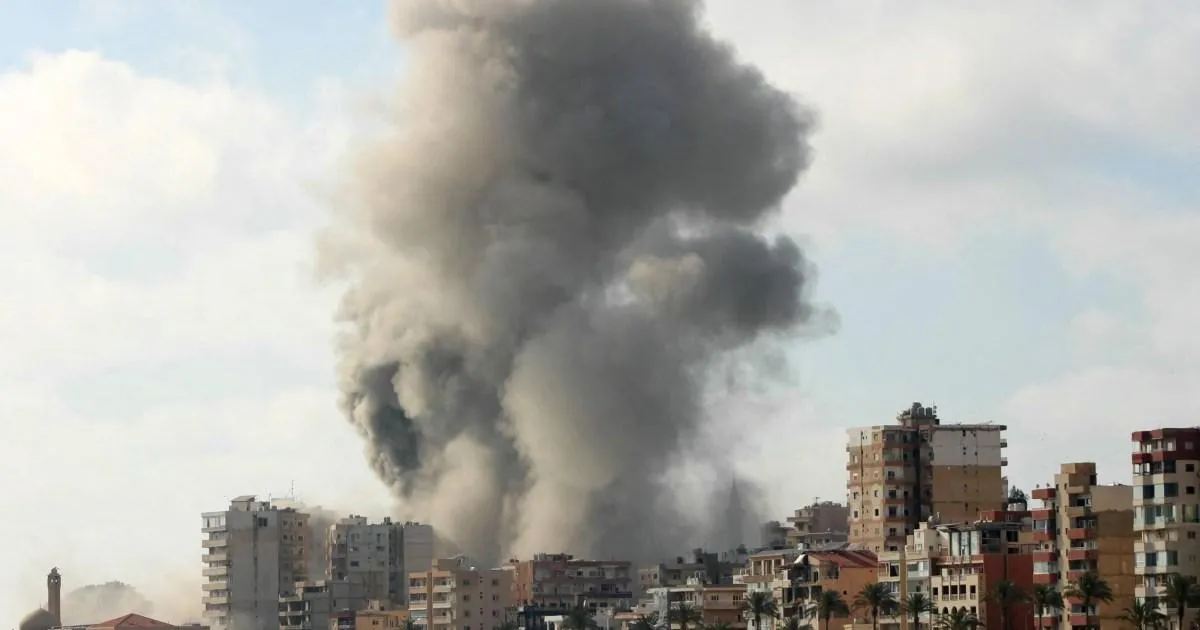
The Middle East has once again descended into a cycle of volatility, with the fragile hope of peace shattered by a renewed exchange of fire between Israel and Iran. This latest escalation began with an Israeli military strike in Dahiyya, Lebanon, aimed at the Iran-backed militant group Hezbollah. The move served as a painful reminder of how quickly the regional calm—established by an April cease-fire—can dissolve. Rather than allowing the incident to be contained, Iran responded with a massive show of force, launching a wave of ballistic missiles and drones toward Israel in a direct challenge that has fundamentally altered the security landscape of the region.
As the missiles streaked across the night sky, scenes of visceral tension played out on the ground. In Iran, the response was one of defiant celebration; footage from Tehran’s Ferdowsi Square and the city of Qom captured crowds cheering, waving flags, and riding motorcycles in what felt like a collective release of pent-up national fervor. The Islamic Revolutionary Guards Corps framed the strikes as a necessary act of retaliation for Israel’s continued bombing of Lebanon, issuing a chilling warning that their actions were merely a precursor. Should the aggression continue, they vowed, the next response would be significantly broader and more devastating, signaling that this tit-for-tat dynamic is far from reaching its conclusion.
The psychological warfare accompanying these strikes was as intense as the physical bombardment. Iranian state media noted that some of the drones were adorned with provocative slogans, blending geopolitical declarations with incendiary political rhetoric. For their part, Israeli authorities scrambled to protect their citizenry, ordering civilians into shelters as the skies filled with incoming threats. By late evening, the Israel Defense Forces reported that they had intercepted the incoming projectiles, but the calm was short-lived. The exchange continued into the early morning hours, with reports of explosions echoing across major Iranian cities, including Tehran, Tabriz, and Isfahan, confirming that Israel had launched its own retaliatory air-launched ballistic missiles into the heart of the country.
The international implications of this conflict are immense, particularly regarding the role of the United States. President Donald Trump, who has frequently claimed that he would prioritize ending wars over starting them, finds himself at a diplomatic crossroads. Despite his campaign promise to steer the U.S. clear of foreign entanglements—a narrative he famously championed during his victory speech—he has recently struck a different tone. In a candid pre-recorded interview, he explicitly pushed back against the idea that his presidency would be synonymous with isolationism, rhetoricaly asking, “Why would I have built the strongest military in the world?” if he were not prepared to use it.
This shift in messaging has created a complicated dynamic between Washington and Jerusalem. Reports indicate that Trump intends to speak with Prime Minister Benjamin Netanyahu to exert influence over the Israeli strategy, though his public comments suggest a desire to assert dominance over the narrative rather than simply defer to his ally. By asserting, “I call the shots, he doesn’t call the shots,” Trump is attempting to project a level of control that serves both domestic political interests and his vision of American strength on the global stage. However, this bravado masks the reality that the conflict has already spiraled deep into dangerous territory, beginning with surprise attacks back in February that left the previous cease-fire in tatters.
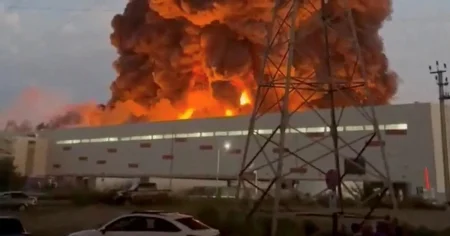
As the dust settles over the blast sites in both Israel and Iran, the international community remains in a state of suspended animation, waiting to see what the next day will bring. The conflict has moved beyond mere skirmishing into a direct confrontation between two of the region’s most powerful military forces. Families caught in the crossfire are left to sift through the wreckage as diplomats scramble to de-escalate a situation that feels increasingly fueled by internal pressures and existential grievances. Whether the rhetoric of “stopping wars” will hold any weight against the grim reality of air-launched missiles and retaliatory strikes remains to be seen, but one thing is certain: the peaceful future once promised to the Middle East feels further away than it has in years.