

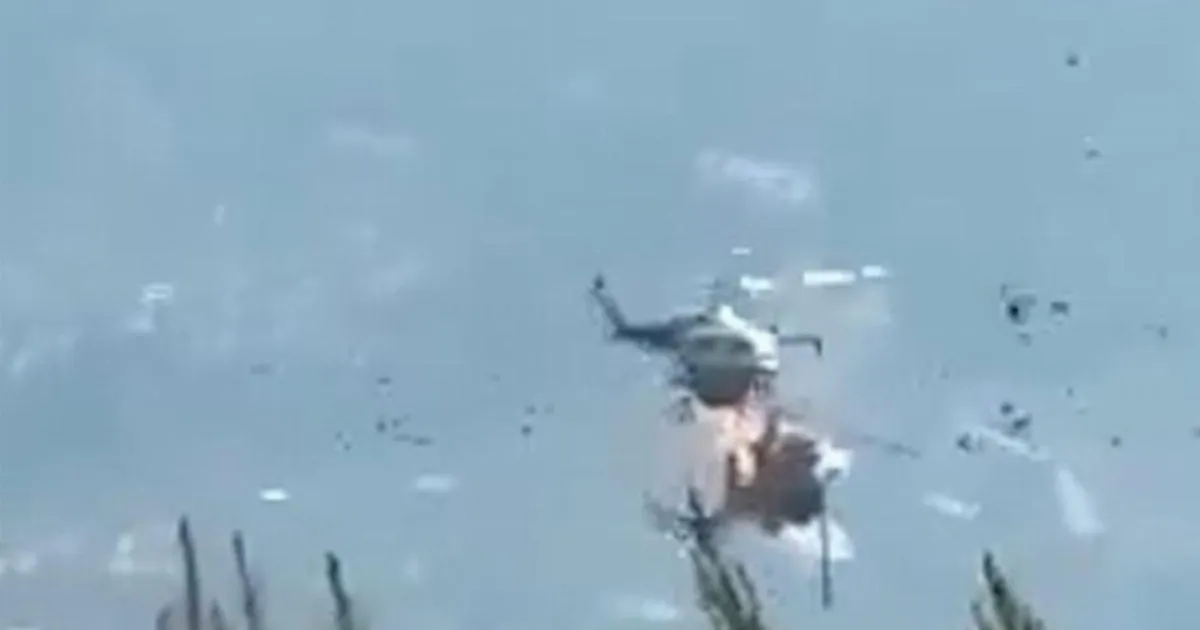
The skies over the Gulf of Corinth, usually a serene backdrop for the Greek landscape, recently transformed into the setting for a harrowing catastrophe. While battling a relentless wildfire in the Psatha region, two helicopters—tasked with the dangerous mission of protecting the land—collided in mid-air, erupting into flames before plunging toward the earth. The incident serves as a stark, heart-wrenching reminder of the immense risks faced by those who put their lives on the line to stand between nature’s fury and the communities they are sworn to protect. As the smoke cleared, it left behind not just a burnt landscape, but a community reeling from the sudden, violent loss of tranquility and the terrifying realization of how quickly life can be upended.
In the immediate aftermath of the crash, the urgency of the situation became painfully clear. Each helicopter carried a two-person crew, consisting of a pilot and a passenger responsible for coordinating with operations centers. While early reports brought a flicker of relief—with one injured crew member successfully establishing contact with officials—the fate of the others remains shrouded in uncertainty. A frantic search is currently underway in a nearby ravine, hampered by the fact that one of the aircraft appears to have lost all radio communication. For the families of these brave individuals, the wait for news is an agonizing ordeal, turning a local emergency into a deeply personal tragedy that echoes far beyond the crash site.
The wildfire that claimed these aircraft was part of a larger, systemic crisis that has left the region devastated. Just a day prior, the nearby resort town of Porto Germeno faced an emergency evacuation, with 300 residents and tourists forced to flee by sea as flames encroached upon their homes. For long-time residents like Minas Tzortzanis, the loss is visceral. Standing amidst the aftermath, he described the once-pristine forest as a “paradise” that has been surrendered to the inferno. His words reflect the profound helplessness and grief felt by those who have watched their heritage and livelihoods dissolve into ash, describing the scene with simple, crushing finality as “total destruction.”
The task of extinguishing these fires has been made exponentially more difficult by the unforgiving hand of nature. Greece, like much of Europe this summer, is enduring an intense, prolonged period of extreme heat and drought that has turned forests into tinderboxes. Minister of Climate Crisis and Civil Protection, Evangelos Tournas, noted that gale-force winds are creating conditions that are not only challenging but actively dangerous for firefighting aircraft. The turbulence makes it nearly impossible for pilots to maneuver effectively to collect water or fly close enough to drop it with precision, turning an already high-stakes job into a literal battle against the elements.
This disaster in Greece is unfortunately part of a broader, alarming trend across the continent. From the scorching fields of Spain to the forests of France, hundreds of thousands of people have been displaced as fires tear through the landscape at record speeds. The intensity of these fires has even resulted in the formation of pyrocumulonimbus clouds—massive, localized thunderstorms generated by the heat and smoke of the fires themselves—which choke the sky with toxic ash and further complicate rescue operations. It is a frightening snapshot of a changing world, where environmental instability is no longer a distant threat but a present, destructive force.
As the search for the missing crew members continues, the world watches with bated breath, holding onto hope amidst the darkness. These stories of evacuation and sacrifice, from high-profile figures forced to flee their homes to the anonymous pilots fighting on the front lines, illustrate a shared human experience of vulnerability in the face of nature. While the physical fires may eventually be contained, the scars left on the landscape and the hearts of the people will remain long after the embers fade. It is a somber call to reflect on our relationship with the earth and to honor the selfless bravery of those who continue to face the flames, even when the odds are stacked against them.