


The Mountain’s Cruel Lesson: A Father’s Regret on Mount Fuji
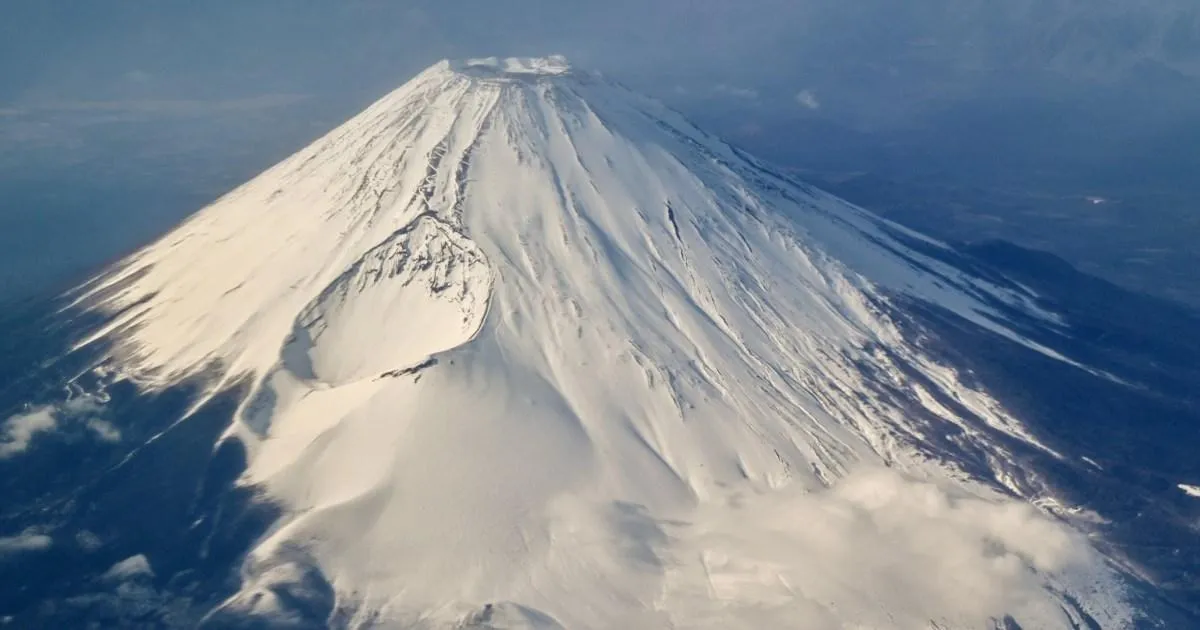
The majestic slopes of Mount Fuji, Japan’s most sacred and towering peak, have witnessed countless triumphs and tragedies throughout the centuries. On a seemingly ordinary Thursday morning, the mountain became the stage for a deeply troubling incident that would serve as a stark reminder of the responsibilities that come with parenthood and the unforgiving nature of high-altitude environments. A seven-year-old boy, his spirit filled with the excitement of adventure and his legs burning with exhaustion, found himself abandoned on the mountain’s rocky terrain, left to wait alone while his father continued his ambitious climb toward the summit. The scene was set against the breathtaking backdrop of Japan’s iconic volcano, where the thin air and unpredictable weather create an environment that demands respect and careful judgment from even the most experienced climbers.
The day had begun with promise and enthusiasm, as the young boy joined his father and older brother for what was meant to be a memorable family expedition. The Fujinomiya Trail, one of the most popular routes up the mountain, stretched before them, winding its way through dramatic landscapes and offering glimpses of the incredible views that awaited those who reached the top. The family had made their way to the sixth station, a significant milestone at approximately 2,490 meters above sea level, where the air grows noticeably thinner and the terrain becomes increasingly challenging. It was here that the adventure took its troubling turn, as the youngest member of the party began to show signs of fatigue, his small legs struggling to carry him further up the steep and rocky path.
The father’s decision in that moment would become the subject of intense scrutiny and criticism, as he chose to prioritize the summit over the wellbeing of his youngest child. Rather than pausing to rest, turning back, or adjusting the family’s plans to accommodate the needs of the tired boy, he made the startling choice to leave his seven-year-old alone on the mountain. The instructions were simple and chilling: stay here and wait. He then continued his ascent with his older son, a first-year middle school student, leaving the younger boy to fend for himself in an environment where conditions can change dramatically in a matter of minutes. The altitude, the isolation, and the inherent dangers of mountain climbing made this decision not just poor judgment, but potentially life-threatening.
The hours that followed must have been terrifying for the young boy, alone on the mountain with nothing but his thoughts and the growing fear that comes with realizing you’ve been left behind. The morning had started at roughly 4:30 AM, when the father made his fateful decision, and as time passed, the mountain began to show its more sinister side. Fog started rolling in, obscuring visibility and creating an eerie, disorienting atmosphere that would make any adult anxious, let alone a small child. Rain began to fall, adding another layer of danger to an already precarious situation, as the wet conditions made the terrain more treacherous and increased the risk of hypothermia. The boy, who had been told to wait on a bench, found himself increasingly exposed to the elements and the growing uncertainty of whether his father would actually return for him.
Mercifully, fate intervened in the form of a mountain hut worker who discovered the young boy sitting alone at approximately 7:40 AM. The worker, likely accustomed to seeing many climbers pass through the area, immediately recognized that something was wrong with this scene. A child alone on the mountain, with fog gathering and rain beginning to fall, was a clear sign of trouble that demanded immediate attention. Understanding the urgency of the situation and the dangers that the changing weather presented, the worker brought the boy inside the mountain hut for shelter and warmth. It was a decision that may well have prevented a tragedy, as the elements on Mount Fuji can be merciless even to experienced adult climbers, let alone a young child in distress.
The police were quickly notified, and a search for the father was initiated. It was discovered that he had pressed on and reached the eighth station, showing that he was making good progress toward his goal while his young son waited alone in increasingly dangerous conditions. The irony of the situation was not lost on anyone involved. The father’s determination to reach the summit had led him to abandon his child, yet he was still several hours away from achieving his goal even as the authorities were working to reunite the family. Police made contact with the man at his elevated position and delivered a stern message that left no room for interpretation or justification: he must abandon his climb immediately and return to collect his son. The words used by the police carried the weight of both legal authority and moral judgment, making it clear that no summit was worth the safety of a child.
The reunion between father and son must have been emotionally charged, with relief, guilt, and shame all competing for dominance in the father’s heart. The police did not mince words when they addressed the man, delivering a scolding that cut to the core of the matter. Their message was clear: even if it means giving up on climbing the mountain together, leaving a child behind is absolutely unacceptable. The father, confronted with the reality of his decision and its potential consequences, expressed genuine remorse, acknowledging that he had made a rash decision that he deeply regretted. His words revealed a man who had perhaps been caught up in the momentum of the climb, allowing his personal ambition to cloud his judgment about what truly mattered. The lesson was painful but valuable, serving as a reminder that the mountain will always be there for another attempt, but the safety and trust of a child is far more precious and fragile.
This incident serves as a powerful reminder of the unique challenges that families face when pursuing outdoor adventures together. Mount Fuji, standing as the tallest mountain in Japan at 3,776 meters, attracts between 200,000 and 300,000 climbers during the short summer season from July to August. The mountain’s popularity speaks to its cultural significance and the allure of standing at the summit of such an iconic landmark, but it also presents significant challenges, particularly for families with young children. The physical demands of the climb, the altitude effects that can impact individuals differently, and the rapidly changing weather conditions all combine to create an environment where careful planning and conservative decision-making are essential. The incident with the seven-year-old boy highlights the importance of recognizing individual limitations within a group and making decisions that prioritize the safety of all members, particularly the most vulnerable.
The broader implications of this incident extend beyond the immediate family involved, touching on questions of parental judgment, risk assessment, and the pressure we sometimes place on ourselves to achieve goals even when circumstances suggest we should adjust our plans. The police response, which included a broader reminder to all hiking groups about the importance of staying together and setting a pace based on the least physically capable member, reflects a systemic acknowledgment that such incidents are preventable through better planning and decision-making. The mountain, with its beauty and challenge, will continue to draw people from all walks of life, but this story serves as a cautionary tale about the importance of humility in the face of nature and the overriding responsibility we bear for those who depend on our judgment and care.
In the aftermath of the incident, the family was fortunate to escape without physical harm, but the emotional scars and lessons learned will likely linger for a long time. For the young boy, the experience of being left alone on a mountain at such a tender age could potentially shape his relationship with outdoor activities and his trust in his father’s judgment for years to come. For the father, the shame of being confronted by authorities and the realization of how close he came to tragedy will serve as a heavy burden to carry. Yet, in the grand scheme of things, this story has a hopeful ending. A child was rescued, a father learned a valuable lesson, and a family was reunited with the opportunity to heal and grow from the experience. Mount Fuji remains, waiting to welcome climbers back when they are properly prepared and ready to respect both the mountain and each other’s limitations.