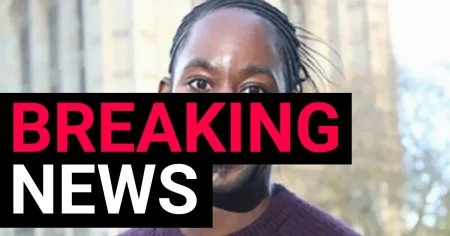



The placid rhythm of a summer journey was shattered in an instant for Tristan Dryburgh. The 30-year-old, along with a friend, was aboard a Southern Rail service from London to Newhaven, heading for a ferry to France with ambitions of cycling into Paris. The trip was meant to be a leisurely escape, but it quickly devolved into a nightmare of grinding metal, screaming passengers, and the terrifying reality that their train was off the rails. It began as a cascade of uneasy sensations: the carriage, already stuffy in the grip of a heatwave, began to bump and jolt more violently than usual. An unnerving, almost primal sound filled the air, getting louder with every passing second. In a heart-stopping realization, Tristan knew something was profoundly wrong.
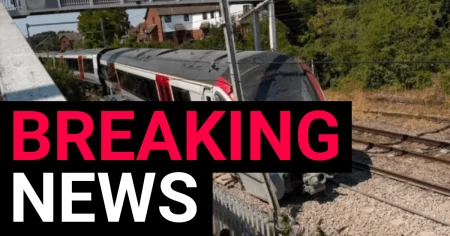
The world outside the window warped into a blur, and the train decisively left its track. Tristan described the sensation as the carriage careening off to the left before it started to tip over onto its side. For him and his friend, standing in the vestibule with their bikes, the experience felt surreal, like being hamsters on a wheel caught in a cage tumbling over. The physics of the derailment were brutal. Passengers who had been sitting on what became the elevated side were flung down, their bodies slamming into the floor, while the unholy shriek of steel shearing off and carriages scraping on gravel filled the carriage. The cacophony only ceased when the battered wreck finally came to shuddering rest, leaving behind a world turned sideways and a deafening silence punctuated by the sounds of screaming, crying, and shock. Inside the carriage, the already oppressive heat of the afternoon amplified the sheer terror of the moment, a thick layer of dust soon coating everything and everyone, turning survivors into ghostly figures of gray.
In the aftermath, with the acrid smell of dust and adrenaline filling his lungs, Tristan acted on pure instinct. His first thought wasn’t for his own safety but for the safety of those around him, who were undoubtedly panicking in the cramped, disorienting space. He and his friend, as the first ones to scramble clear of the wreck, realized the emergency exit levers would be useless without force. Together, they wrestled with the heavy carriage doors, a Herculean feat in the shattered silence. The urgency was stark: they feared flames could erupt, or that another train could be bearing down on the same stretch of track. They worked with desperate, primal strength, pulling and hauling other passengers out of the mangled mess, creating egress points amidst the dust and debris. Tristan recalls vividly the two victims who were most hurt: a man covered in blood, and a woman with a massive lump on her head and injuries to her ribs, along with other passengers who had broken bones. He had a singular focus, to get people away from the wreckage.
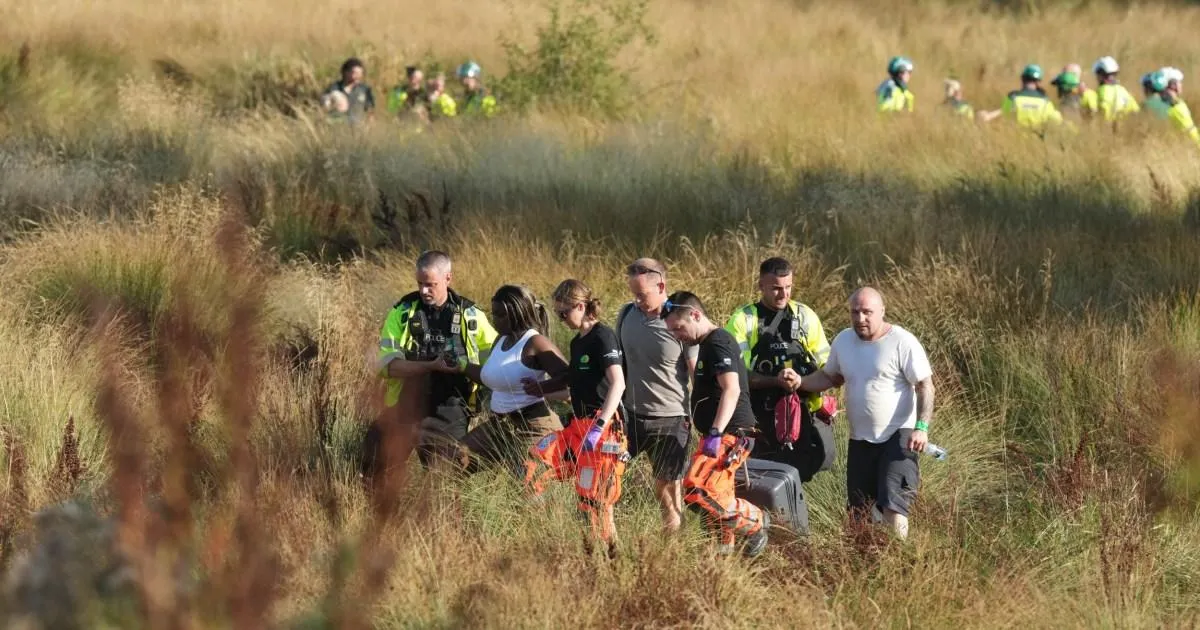
Within minutes, the miracle of human kindness and preparedness began to unfold as the emergency services arrived, rapidly on the scene, having been called by passengers in carriages that had remained on the tracks. The support system wasn’t just official; it came from the local village, where residents transformed a local hub into a community headquarters, offering tea, coffee, water, and energy drinks to everyone affected, an act of compassion that Tristan found to be incredible. In the depths of his shock, Tristan’s mind raced through the vivid, visceral fears that accompany a brush with mortality: the train was moving fast, it’s heavy, you’ve never been in a situation like this, you don’t know if it’ll flip all the way and crush you, you don’t know if there’s going to be a fire or another oncoming train. This visceral fear of uncertain doom is something anyone can relate to, even without ever having been in such a precarious situation.
The initial confusion of the accident soon gave way to grim questions about the cause itself. The structural integrity of the line was under scrutiny when it emerged that engineers had conducted a safety inspection on the exact stretch of track just under 24 hours prior to the derailment. The crash, which occurred on a Thursday before 4 p.m., involved the three carriages of a Southern Rail service from London Victoria to Eastbourne, snapping from the line while near Lewes. The official reason for the crash remained an unanswered question, but the timing, with a track inspection the day before, painted a frustrating picture. Adding another layer of confusion to the timeline of events, a local resident, Mike, described seeing a long and heavy freight train passing over that same section of track earlier in the day, pulling about 20 carriages, each with 20 tonnes of cargo. The sheer weight of that cargo, Mike speculated, instigating that traction on an already fatigued line couldn’t be good for it.
Tristan’s narrative is now part of a larger story, a human story about a surreal disaster that flipped a mundane train journey into a life-defining moment. But his personal story underscores that a physical event can be just as much about the psychological aftermath. He was one of the lucky ones, physically unharmed, but he’s left with the irreversible truth that in a space where you feel the most safe, your life can be turned upside down in a string of moments. For him, it’s a visceral awareness of randomness, the constant hum of what could have been. The rectitude of the people in the local village, the heroics of the first responders, and the strength of a community in the face of inevitable disaster are all reminders that when the worst happens, we can see the best in each other. The accident was a brutal reminder of iron conventions of our lives, and the unwavering will to help that emerges when they break.