


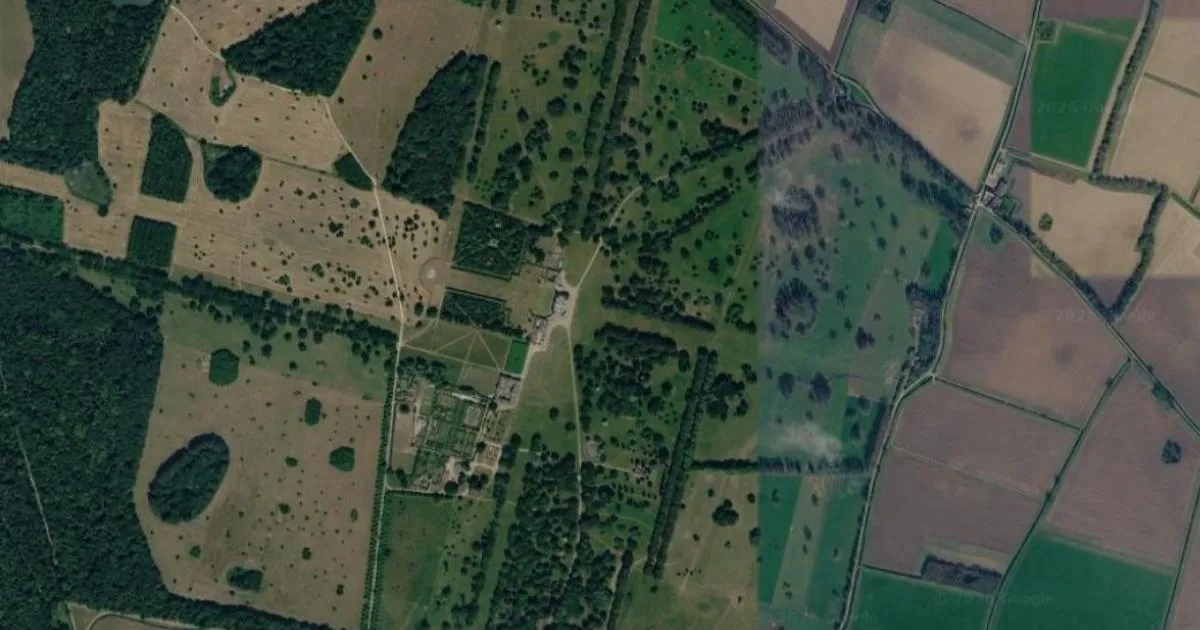
The atmosphere at Houghton Hall, usually defined by the rhythmic pulse of techno and the collective joy of thousands, shifted into a somber, heavy silence this past Sunday. As the final day of the electronic music festival drew to a close, a tragic discovery shattered the weekend’s festivities. A woman was found unconscious inside a tent on the 1,000-acre Norfolk estate, leading to a frantic emergency response that ultimately ended in the heartbreaking confirmation of her passing. Despite the immediate and tireless efforts of the festival’s dedicated on-site medical team, who worked desperately to stabilize her, she was pronounced dead at the scene.
For those who attend Houghton, the festival is more than just a gathering; it is a meticulously curated escape founded by renowned DJ Craig Richards, a pillar of London’s electronic scene. Since its inception in 2017, the event has gained a reputation for its marathon sets, where music flows continuously across diverse stages for days on end. It is a space designed for immersion and connection, drawing roughly 10,000 people into its woodland enclave. The sudden loss of a life amidst such a vibrant celebration of sound and community serves as a jarring reminder of how fragile those moments of freedom can be, casting a long shadow over an event otherwise known for its high-profile visitors and sense of discovery.
In the immediate aftermath of the tragedy, festival organizers faced the unenviable task of balancing operational responsibility with profound human empathy. A spokesperson for Houghton Festival issued a statement that felt stripped of the usual corporate polish, focusing instead on the gravity of the loss. They expressed a deep, collective sorrow and emphasized that the entirety of their thoughts remained fixed on the woman’s grieving family and loved ones. It is a difficult moment for any event organizer, but the statement highlighted a genuine gratitude toward their staff—the response teams and medical professionals who were thrust into a situation no one ever wants to encounter at a celebration.
The Norfolk Constabulary has since stepped in to manage the investigation, aiming to provide clarity where there is currently only confusion. As it stands, the authorities have classified the woman’s death as “unexplained,” a term that carries its own heavy weight for those waiting for answers. However, they have been quick to reassure the public that the circumstances are not currently being treated as suspicious. Enquiries remain ongoing, and the process of notifying the next of kin—a task that brings unimaginable pain to a family’s doorstep—has been completed. The authorities are now working quietly in the background, piecing together the timeline of what led to this devastating outcome.
When a death occurs in such a public, celebratory space, it inevitably invites public scrutiny, but it is important to remember the human reality behind the headlines. Behind the logistics of police tape and festival security, there is a family now navigating the hollow, sudden absence of a loved one. The contrast between the festival’s reputation—its history of attracting high-profile guests, like the Princess of Wales, and its reputation for 24-hour euphoria—and the quiet, clinical nature of a tent-side investigation is stark. It forces us to acknowledge that behind every attendee is a life, a story, and a community that has now been irreparably altered.
As the dust settles on the grounds of Houghton Hall and the stages are dismantled, the focus shifts from the beat of the music to the necessity of closure. While investigations continue to provide the answers that those left behind so desperately need, the legacy of this year’s festival will now be indelibly marked by this tragedy. It serves as a somber reflection on the unpredictability of life, reminding everyone who gathers in crowds to lose themselves in music that, at the heart of every such event, the safety and humanity of each individual must remain the most critical priority. For now, the music has faded, leaving only a collective hope for peace for the woman who lost her life and comfort for those mourning her.