

Paragraph 1: An Invitation to Look Up
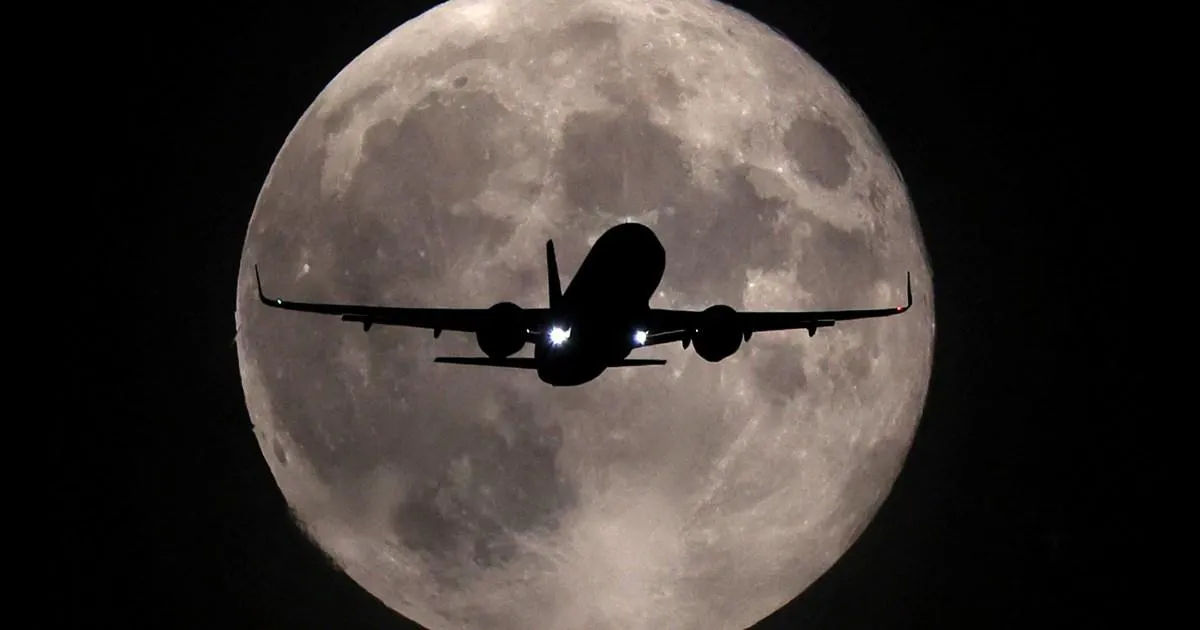
Tonight, as the sun dips below the horizon and the world begins to settle, there’s a special invitation waiting for us in the sky. The UK is being graced with yet another celestial spectacle: the Harvest Moon. It’s a name that whispers of autumn, of golden fields, and of a time when our ancestors relied on the heavens for their survival. This isn’t just any full moon; it’s a celestial event steeped in history and practical purpose, one that once served as a vital tool for farmers gathering their crops. In our modern world of artificial lighting and constant connectivity, it can be easy to overlook these natural rhythms. But the Harvest Moon offers a moment to pause, to step outside, and to connect with a timeless tradition that has played out for millennia. It’s a reminder that we are still, at our core, part of the natural world, and that the ancient sky still holds a certain magic for us all.
Paragraph 2: Why This Particular Moon Is So Special
What exactly makes this moon so unique? The Harvest Moon is typically the ninth full moon of the year, but 2026 is proving to be a bit of an overachiever. Because May treated us to a rare second full moon, a “blue moon,” this Harvest Moon is actually our tenth. This lunar quirk makes it a bit of a special occasion in its own right. More importantly, the Harvest Moon is renowned for its unusual behavior. It doesn’t just appear in the sky at the usual time; it rises earlier and shines with a perceived brightness that seems to dwarf other full moons. This is due to the moon’s orbit and the angle of the earth’s tilt at this specific time of year. For our ancestors, this was a gift. The early, brilliant light extended the working day, allowing farmers to toil in the fields long after sunset, gathering the summer’s bounty before the harsh winter months set in. The name itself is a testament to this vital role, a tribute to the moon that helped sustain communities through the dark times ahead.
Paragraph 3: The Stories and Names of the Harvest Moon
While “Harvest Moon” is the name that has stuck in our collective memory, this celestial body is known by other evocative names. In some cultures, it’s called the “Corn Moon” or the “Barley Moon,” names that directly reference the crops that were being harvested during this time. These names paint a vivid picture of a time when people’s lives were intimately intertwined with the land. The moon wasn’t just a pretty object in the sky; it was a calendar, a clock, and a vital partner in the cycle of life. However, it’s worth noting that this year’s Harvest Moon is not what you might call a “supermoon.” Unlike last year’s spectacularly large and close approach, this one is a more standard full moon. That doesn’t diminish its charm, though. Its early rise and the warm, amber glow it often casts during the autumn season make it a breathtaking sight regardless of its exact distance from us. It’s a gentle, nostalgic presence, a soft light that seems to usher in the cosy, contemplative mood of the season.
Paragraph 4: The UK Forecast – A Battle with the Clouds
So, the big question remains: will we be able to see it? The Harvest Moon will reach its peak tonight at around 5:49 pm, rising in the east as the day fades. It will be a constant companion throughout the night, a glowing sentinel watching over the slumbering landscape. However, there is a potential spoiler in the forecast. The Met Office has predicted a rather soggy evening for much of the UK, with rain expected across the country. The northern and western regions are likely to bear the brunt of the wet weather, with the grey cloud cover obscuring the celestial show. There is a glimmer of hope for those in the south and east, where there may be longer periods of drier weather, allowing for brief glimpses of the moon between the clouds. It will be a game of patience, a waiting game against the weather. If you do manage to catch a break in the clouds, it will feel all the more rewarding. Find a dark spot away from streetlights, look to the horizon, and you might just be treated to a memorable sight.
Paragraph 5: A Look Ahead to the Rest of the Year
But if the clouds are unkind and you miss this lunar event, do not despair. The universe isn’t finished with us yet. There are still three more full moons to enjoy in 2026, each with its own poetic name and character. In October, we can look forward to the Hunter’s Moon on the 26th, a time traditionally set aside for hunting to stock up for the winter. Then comes the Beaver Moon on November 24th, a name that likely refers to the time when beavers build their winter dams or when trappers would set their traps for the season. Finally, the year will close with the Cold Moon on December 24th, a fitting name for the long, dark, and chilly nights of midwinter. Each of these moons offers its own unique energy and a reason to look up, but the Harvest Moon holds a special place in our hearts as the herald of autumn and the last celebration of the earth’s abundance.
Paragraph 6: Beyond the Moon – A Season of Celestial Gifts
The Harvest Moon is just the beginning of an exciting season for stargazers. As we move into October, we have not one, but two meteor showers to anticipate. The Draconid and Orionid meteor showers will both be putting on a show, offering spectacular displays of shooting stars. They are expected to peak later in the month, promising to paint the night sky with streaks of light. It’s a wonderful time to be alive, with so much to observe above us. From the steady, reliable glow of the full moons to the fleeting, dazzling brilliance of meteor showers, the sky is a constant source of wonder. So, tonight, even if it’s cloudy, take a moment to step outside and think about the moon up there, hidden behind the clouds. Think about the generations before us who watched it rise and felt a sense of relief and hope. And know that in a few days, the sky will clear, and the moon will still be there, a silent, beautiful reminder of the vast and magical universe we are all a part of. The celestial calendar is full of gifts, and we just need to remember to look up to receive them.