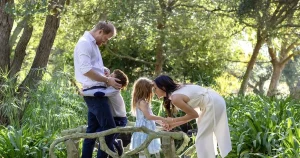

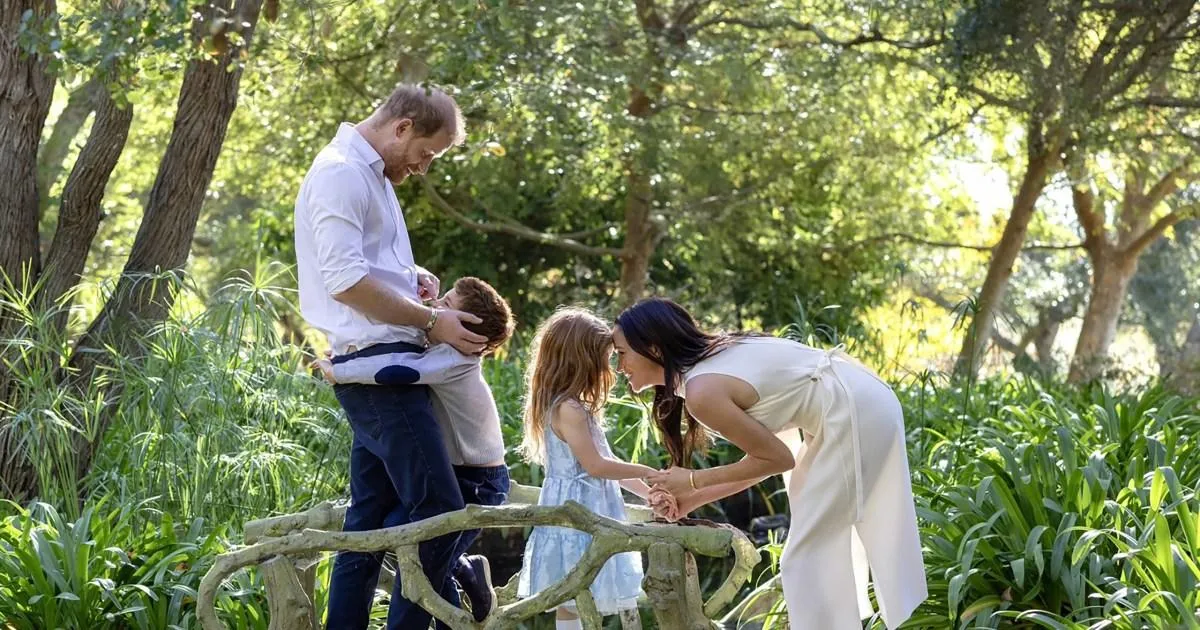
Since leaving royal duties behind in 2020, Prince Harry and Meghan, Duchess of Sussex, have faced endless speculation about their decisions. Yet in a new interview, the Duke has shared a rare and reassuring glimpse into their family life away from the spotlight. After relocating to the United Kingdom in late August, Harry has confirmed that their two children, Prince Archie and Princess Lilibet, are thriving. “The kids are happy in school,” Harry told Canadian broadcaster CTV, adding that the family feels a genuine sense of relief to be home. His words are a tender reminder that despite the headlines, the family’s central focus is the simple, universal joy of watching their children grow up in a place that feels safe, familiar, and full of love. For a couple who have experienced intense public scrutiny since the start of their relationship, those ordinary moments of parental pride mean more than any royal protocol.
Harry’s appearance alongside the interview came after completing a skydive outside Toronto, an event of great personal significance. The adventure was not just about thrill-seeking; it was a promise kept to a 102-year-old Second World War veteran, and it served as a powerful symbol of the duke’s ongoing devotion to military service and to the charity work that has defined so much of his post-royal life. This is the same spirit that fuels his passion for the Invictus Games, the international sporting event for wounded, injured, and sick service personnel and veterans. With the games set to take place in Birmingham next July, Harry clearly sees the UK as the right place for his family to be. He spoke enthusiastically about being “great to be back on British soil” and “great to be back on terra firma,” reflecting a deep personal contentment that seems to have been missing during the years spent in California. For Harry, the UK is not just a strategic base; it is a place that connects the next generation to his own history, and that is something no amount of transatlantic distance can fully replace.
Of course, the family’s return did not happen in a vacuum. The decision to leave California, where they had established a life far removed from the constraints of monarchy, was understandably complex. Harry has been characteristically guarded about the reasons, simply stating that there were “lots of reasons,” but choosing not to elaborate so as not to distract from his charity work. The speculation surrounding the move has been intense, with many guessing that the couple wanted their children to have a closer relationship with the King, that Meghan may be considering a return to acting, or that the family simply wanted to raise their public profile. Whatever the true mix of motivations, it is clear that the decision was not made lightly. Moving continents with two young children is never easy, especially under the glare of public attention. Yet the Sussexes have always placed great emphasis on creating a nurturing environment for Archie and Lilibet, and their return to the UK appears to be another step in that journey. The fact that Charles was reportedly “glad to be able to spend more time with the family” suggests that the royal rift may be healing on a personal level, even if the structural relationship remains complicated.
Still, the transition has not been entirely smooth. Within weeks of their arrival, reports surfaced of friction with Buckingham Palace over how the couple should be addressed. A formal letter, authorised by the King and circulated by the Lord Chamberlain, reiterated that Harry and Meghan were now private citizens and set strict guidance on how they should be treated by government and military stakeholders. The letter reportedly surprised the Duke and Duchess, who reportedly preferred the term “public figures” to “private citizens.” For any parent, the label used to describe you can feel deeply personal, but for Harry, who was born into royalty and spent decades in the public eye, being described this way must feel starkly reductionist. It is easy to see why the language stings. It is one thing to step back from royal duties; it is another to be officially reclassified, as though the entire arc of your life has been reduced to a matter of administrative convenience. The couple are still awaiting a decision on whether they will be afforded taxpayer-funded security, a deeply sensitive issue given the obvious dangers they have faced. Being caught between the title of prince and the status of private citizen is a strange, almost contradictory space to inhabit.
Perhaps the most emotional concern has been the children’s schooling. Reports of a dramatic change within days of starting a new school are enough to worry any parent. Archie and Lilibet were reportedly moved to a new, undisclosed institution after just two days of classes, reportedly due to heavy traffic and the long journey placing their security team under significant strain. No parent wants their child’s first days in a new school to feel chaotic or unsafe, and the privacy concerns that surround the Sussex children are unique. The decision to pull the children out and try again elsewhere must have been difficult, but it shows a refreshing pragmatism. It also highlights the extraordinary obstacles this family faces in their efforts to live an ordinary life. Most parents worry about whether their children will make friends or adjust to a new curriculum; Harry and Meghan also have to think about secure routes, safe entrances, and how to maintain a sense of normalcy in the face of constant surveillance. That they chose to make this move at all suggests a resilience and a determination to make the UK work for their family, whatever the logistical headaches.
In the end, this story is not really about royal drama or palace letters; it is about a family trying to find their way back to a place they can call home. The image of Harry talking warmly about his children, smiling as he speaks about being back on British soil, is a powerful contrast to the distant and troubled prince we sometimes read about. He is learning, along with Meghan, that happiness is often found in the smallest things: a walk in the park, a family meal, or the quiet joy of picking your child up from school without fuss. The couple still face significant hurdles, from their ongoing security arrangements to the complex dynamics with the Royal Family. There will likely be more awkward headlines, more anonymous briefings, and more passionate debates about what they should or should not do. But hearing Harry say that his children are happy, and that it feels great to be home, is an important reminder that they are human before they are public figures. Their priority, above all else, is the wellbeing of the two young lives they have created together. And perhaps that, more than any official title or legal recognition, is what truly matters in the end.