


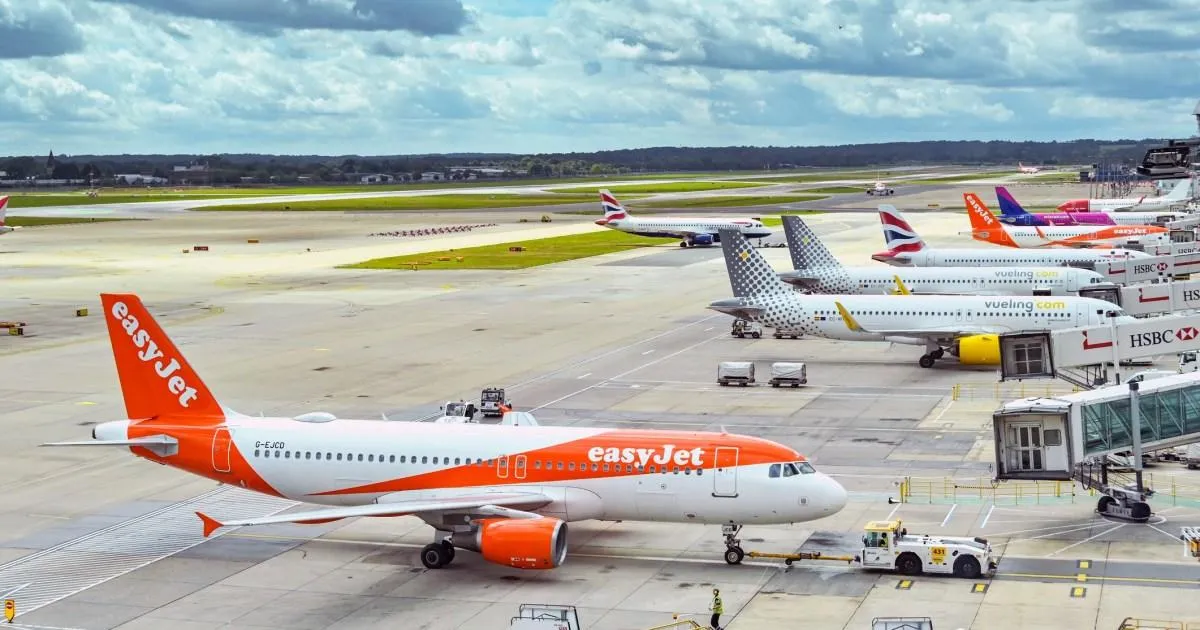
1. It was supposed to be the final chapter of a warm-weather getaway, the kind of journey where passengers scroll through sunburned photos and dream of one more dip in the Red Sea. But for those aboard easyJet flight EZY3320 from Hurghada to Edinburgh on Tuesday, 3 November, the last leg home became something far more unsettling. At least seven passengers fell suddenly and violently ill as the aircraft made its way across Europe, struck by what the airline described as a vomiting illness. The symptoms were flu-like and severe: high temperatures, waves of nausea, and repeated, exhausting vomiting that turned the cabin into an impromptu care unit. To make matters worse, a child on board also developed an unexplained rash, adding a layer of worry that no parent wants to experience at 30,000 feet. What had started as a routine return from an Egyptian resort quickly became a medical situation that the cabin crew could not manage quietly in the aisles. They made the difficult decision to contact air traffic control, asking for priority treatment and ensuring that medical services would be waiting when the wheels touched down in Edinburgh. It was a stark reminder that even the most ordinary flight can change in an instant, and that health emergencies do not respect timetables, seatbelts, or the carefully planned rhythms of a holiday itinerary.
2. To understand how frightening the scene must have been, imagine the moment when the first passenger reaches for a sick bag. Then another. Then another. In a confined metal tube travelling at hundreds of miles per hour, there is nowhere to go, no escape from the sound of retching, the smell of sickness, and the creeping anxiety that comes from knowing that whatever is affecting those around you might be airborne or touching every surface you use. The seven passengers who fell ill were not alone in their suffering; their symptoms rippled outward, disturbing the peace of everyone nearby. A person with a high temperature often becomes confused, flushed, and desperate for water. Repeated vomiting leaves the body weak, and the sense of helplessness is profound. But perhaps the most distressing moment came when a child broke out in an unexplained rash. For the parents, that must have been terrifying. Rashes in children can mean many things, from minor allergic reactions to something more serious, and being trapped in a plane with no immediate medical advice magnifies every fear. Other passengers likely watched with a mixture of sympathy and dread, some pulling their own children closer, others fumbling for hand sanitiser, all of them wondering whether they would be next. The crew, moving through the cabin with practised calm, must have felt their own concern growing as the number of unwell passengers increased and the child’s rash became more visible. This was no longer a simple case of motion sickness or one passenger feeling queasy. This was a genuine medical incident, and it demanded a serious response.
3. EasyJet’s response, delivered through a short but measured statement, made clear that the crew did everything they could to assist during the flight. “The wellbeing of our customers and crew is our highest priority,” the airline said, and those words, often repeated in corporate statements, carried real weight in this context. Cabin crew are trained to handle a wide range of medical emergencies, from heart attacks to allergic reactions, but a vomiting outbreak is particularly challenging because it is messy, fast-moving, and potentially contagious. They would have donned gloves, distributed sick bags, provided water and tissues, tried to comfort anxious passengers, and worked to keep the environment as clean and reassuring as possible. At the same time, they had to coordinate with the flight deck, explaining the severity of the situation so that the pilots could make the necessary calls. Contacting air traffic control was not a sign of panic; it was a professional decision to prioritise the flight’s landing, which may have meant skipping queues, adjusting speed, and ensuring that paramedics, nurses, and medical teams were stationed at the gate before the aircraft arrived. When the plane finally touched down in Edinburgh, it was met by medical services ready to assess the sick passengers and, crucially, to examine the child with the rash. For the crew, the landing likely brought a wave of relief, but also a sense of responsibility. They had guided their passengers through a crisis, and now the baton was being passed to the doctors and nurses on the ground.
4. For the passengers who had remained well, the aftermath of the landing was probably a strange mixture of relief and lingering worry. As the aircraft taxied to the gate, they could see the flashing lights of emergency vehicles and the silhouettes of medical personnel waiting in hi-visibility jackets. The cabin would have been quiet, punctuated by the soft sobs of a sick child and the murmured reassurances of parents. When the doors opened, the affected passengers were attended to first, helped down the steps or through the jet bridge, their faces pale, their bodies exhausted by the ordeal. The child with the rash was examined promptly, and one can only hope that the diagnosis was something minor, a harmless reaction or a viral blotch that would fade as quickly as it appeared. The rest of the passengers were likely asked to remain seated until the medical teams had finished, and then they filed out, clutching their hand luggage and their memories of a journey that had started so pleasantly. Some may have been given advice about watching for symptoms in the coming days. Others may have rushed home to scrub their hands and change their clothes. In the hours and days that followed, the story would be retold over dinner tables and in workplace conversations: “You won’t believe what happened on our flight.” The seven passengers who fell ill, however, would remember it differently. For them, the holiday ended not with a gentle touchdown and a taxi ride home, but with a stretcher, a medical examination, and the slow, uncertain recovery from a sudden and violent illness.
5. This incident also raises broader questions about how illness spreads in the closed environment of an aircraft. Commercial planes carry hundreds of people in close proximity for hours at a time, breathing the same filtered air and touching the same tray tables, seatbelt buckles, and lavatory handles. Gastrointestinal bugs, including norovirus, are notorious for spreading quickly in such settings, often leading to clusters of vomiting and diarrhoea that can affect passengers and crew alike. The cause of the illness on this particular flight has not been confirmed, and it is possible that the passengers had picked up the bug before they ever boarded, perhaps in a hotel buffet, a local restaurant, or during a day trip. But the enclosed nature of the cabin can turn a single sick passenger into several sick passengers, especially if the illness is viral and easily transmitted. Airlines have strict cleaning procedures, and aircraft are often deep-cleaned after incidents like this one, but no amount of disinfectant can guarantee that a plane will remain germ-free for every single flight. For travellers, the episode is a reminder to be vigilant: wash your hands, carry sanitiser, and consider wearing a mask if you feel unwell or if you are sitting near someone who is clearly sick. It is also a reminder of the quiet heroism of cabin crew, who put themselves in harm’s way every day, cleaning up, calming nerves, and ensuring that help arrives when it is needed most.
6. In the end, this story is about more than seven people falling ill on a plane. It is about the fragility of travel, the way a journey can shift from joyful to frightening in a matter of minutes, and the human capacity to respond with kindness and professionalism in the midst of chaos. For the crew, it was a test of their training and their composure, and they passed it by doing what they could to help. For the passengers, it was an unexpected ordeal, one that they will not soon forget. For the child with the unexplained rash, it was a moment of fear that, hopefully, became a footnote in an otherwise happy holiday memory. And for the seven people who were met by medical services in Edinburgh, it was the beginning of a recovery, a time to rest, rehydrate, and let their bodies heal. We do not yet know what caused the illness, and perhaps we never will. But we do know that when trouble struck, the response was swift, coordinated, and compassionate. There is something reassuring in that. Flying may sometimes feel crowded and impersonal, but when a passenger falls ill, everyone on board becomes part of a shared human story. Strangers check on each other. Crew members go beyond the call of duty. Doctors and nurses, if present, step forward. And on the ground, teams of medical professionals stand ready to help, no matter the hour or the weather. The holiday may have ended in sickness, but it also ended in care. And that, perhaps, is the most human outcome of all.