
It was a Tuesday night in late October, and the streets around Angel Central in Islington were supposed to be settling into the familiar, ordinary rhythm of a London autumn evening. Instead, just after 10.25pm, that rhythm was violently broken. Police received reports of a shooting in Parkfield Street, in the middle of a shopping area that was still alive with movement. Two separate concerts had just ended at the nearby O2 Academy Islington, sending crowds of music fans out into the night, their heads full of songs and chatter. Then came the sound of gunfire, abrupt and unmistakable, scattering people and turning the evening into something no one had prepared for. When officers arrived, they found two men, aged 33 and 27, with gunshot wounds, and a third man, aged 36, suffering from stab wounds. The scene was chaotic, with emergency services working quickly to treat the injured while other people looked on in shock, trying to understand what had just happened in a place better known for high streets and shopping than for violent crime. The three victims were taken to hospital, where early medical assessments offered a fragile kind of relief: their injuries were not considered life-threatening, and the stab wounds were described as non-life-changing. But the brutality of the attack left no doubt about what police were dealing with. Detectives immediately opened an attempted murder investigation, and the shopping centre was sealed off for twelve hours as forensic teams meticulously gathered evidence, blocking access from Liverpool Road and Upper Street. What followed was a long, tense night under police lights, and the beginning of a manhunt that would soon focus on a suspect whose name the public had never heard before.
In the hours after the violence, as the yellow police tape went up and officers stood guard in the cold, the human weight of the incident began to settle over the area. The victims were not just case numbers; they were people with families, friends, and their own stories. They had been caught up in an event that could have ended in tragedy, and while their physical injuries were not considered life-threatening, the psychological scars from such an attack would take much longer to heal. For the concertgoers who had been leaving the O2 Academy Islington that night, the evening they had looked forward to had become a memory of sirens, flashing lights, and fear. For shopkeepers and residents, the sight of a familiar shopping district turned into a crime scene was deeply unsettling. The cordon, which remained in place for twelve hours, meant that shops, restaurants, and homes were inaccessible, and people could only stand at the edges, watching and waiting. Forensic officers examined every surface, searching for shell casings, traces of blood, and any clue that might explain what had happened. The police investigation was fast-moving, as Detective Chief Inspector John Cowell later said, with officers working tirelessly to build a picture of the incident. But building that picture required more than physical evidence. It required witnesses to come forward, for the public to share what they had seen or heard, and for someone to know the whereabouts of the man at the centre of the manhunt.
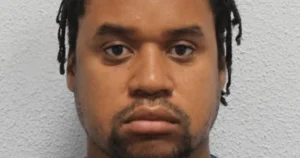
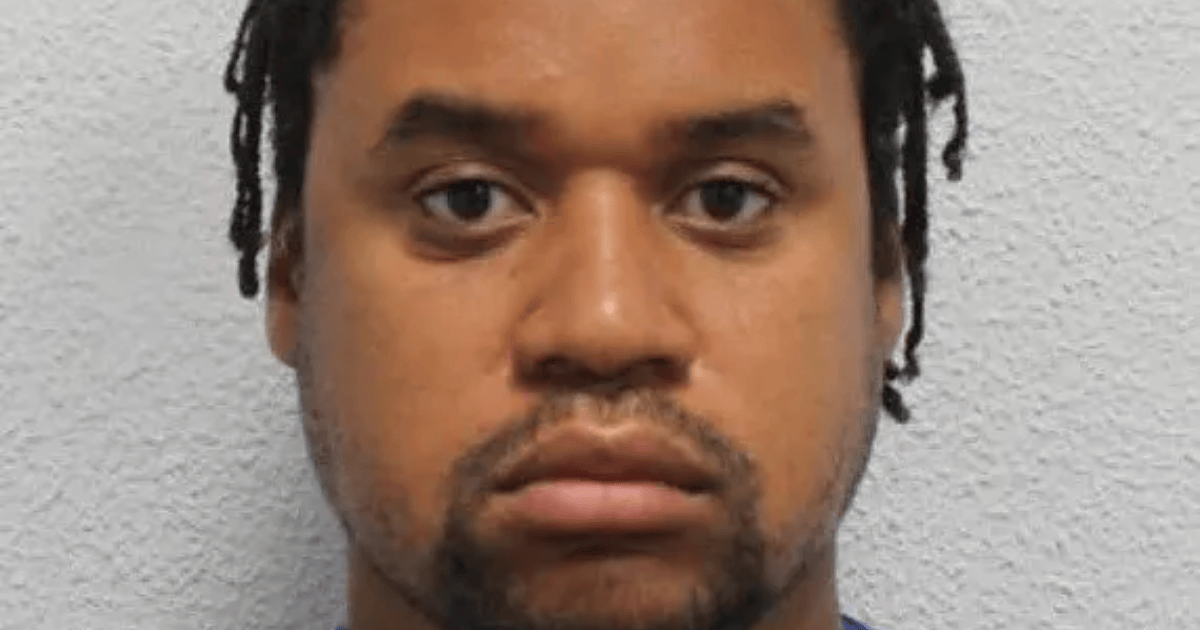
That man is Nacoli Bravo, 40 years old and from the Lewisham area, and police have now publicly named him as the suspect they urgently need to trace. His picture has been released in the hope that someone, somewhere, will recognise him and contact the authorities. The appeal was personal and direct. Detective Chief Inspector John Cowell, who is leading the investigation, asked for the public’s help to locate Bravo in connection with the ongoing enquiries, emphasising that the investigation was moving quickly and that the team had been working around the clock. There is an urgency in his voice that betrays the seriousness of the situation: this is not a case where the police are asking for information as a formality. They believe Bravo holds the key to what happened on Parkfield Street, and they need to find him before anyone else gets hurt. Police have been careful to warn the public not to approach Bravo if they see him. Instead, they should dial 999 immediately. This warning suggests that Bravo is considered dangerous, and that the public should not attempt any form of citizen’s arrest or confrontation. The police are also asking anyone with information about his movements or location to call 999, or to report anonymously through the independent charity Crimestoppers on 0800 555 111, quoting reference 7386/27OCT. This is a nationwide appeal, not just a local one, because a man wanted in connection with attempted murder could go anywhere, and the public’s eyes may be the best tool in finding him.
The manhunt has also moved into the courts, signalling that progress is being made. Earlier this week, Eugene Asiedu, 36, of Hatcham Park Road in Lewisham, appeared in court in connection with the violent incident. He has been charged with attempted murder and possession of a knife or bladed article. This development is significant: it means that the police have already built enough evidence to place one person before a judge, while still searching for another. The fact that both Bravo and Asiedu are linked to Lewisham may be a clue to the investigation, but the police have not yet released details about the motive or the relationship between the people involved. What is clear is that this was a brutal and coordinated act of violence, involving both gunshots and a stabbing, and that it happened in a busy public space where innocent people could easily have been caught in the crossfire. The court appearance is a step toward justice, but it does not close the case. With Bravo still at large, the investigation remains very much active. The police will be working to establish whether others were involved, whether there was planning involved, and what led to the attack. The public, meanwhile, has been left with questions about safety in a city that often feels increasingly unpredictable. For every police update and court appearance, there is a deeper human story unfolding behind the news, made up of fear, confusion, and the slow process of trying to move forward.
Locals in Islington have spoken of their shock at what happened, and their words reflect a broader anxiety about violence in London. Anthony, a resident who has lived in the area for fifteen years, told reporters he couldn’t believe it. For something like that to happen in the shopping centre, he said, was shocking. He expressed concern about gun crime in London, adding that although he knew Islington, he never thought it would happen in this vicinity. His words capture the feeling of vulnerability that arises when violence strikes close to home. It is one thing to read about crime happening in other neighbourhoods, in other parts of the city, in places that feel distant. It is another to hear gunshots in the streets where you walk, shop, and raise your family. A 70-year-old woman who wished to remain anonymous added to that same feeling of unease. She said the shopping centre is always so busy, and she was stunned that such a thing could happen there. She reflected on how London had changed since she arrived as a child, confessing that now she comes out to shop and immediately comes home because she is scared. That confession is heartbreaking, because it speaks to a loss of security, a fear that has slowly crept into the daily lives of ordinary people. It is the voice of a generation that once felt safe in the city and now feels like a stranger to it. But it is also a reminder that the impact of violent crime extends far beyond the victims and their families; it touches everyone who hears the sirens, sees the police tape, or looks over their shoulder on the way home.
As the investigation continues, the community is left to grapple with a mixture of fear, anger, and hope. The police have been clear about what they need: information. They have asked anyone who saw anything that night, anyone who knows where Nacoli Bravo might be, or anyone who has heard something in the days since, to come forward. They have stressed that people should not approach Bravo, but should call 999 without delay. They have also made it possible for people to share information anonymously through Crimestoppers, giving those who might be afraid to speak publicly a safe way to help. The phone number is 0800 555 111, and the reference number to quote is 7386/27OCT. Every piece of information, no matter how small it may seem, could be the one that helps detectives close the case. In the meantime, the people of Islington are trying to reclaim their normal lives. Shops have reopened, the streets are busy again, and the shopping centre has returned to its everyday routine. But the memory of that Tuesday night remains, lingering in the minds of those who were there and in the wider community that heard the news. The search for Bravo is not just about catching one man; it is about restoring a sense of safety, about showing that violence cannot hide in the shadows forever. It is about giving the victims and their families the justice they deserve, and about allowing a community to heal. Until Bravo is found, the case remains open, and the city waits, hoping for a resolution and praying that no more lives are broken by the senseless violence that has already left too many scars.