

The Silent Stretch of Road
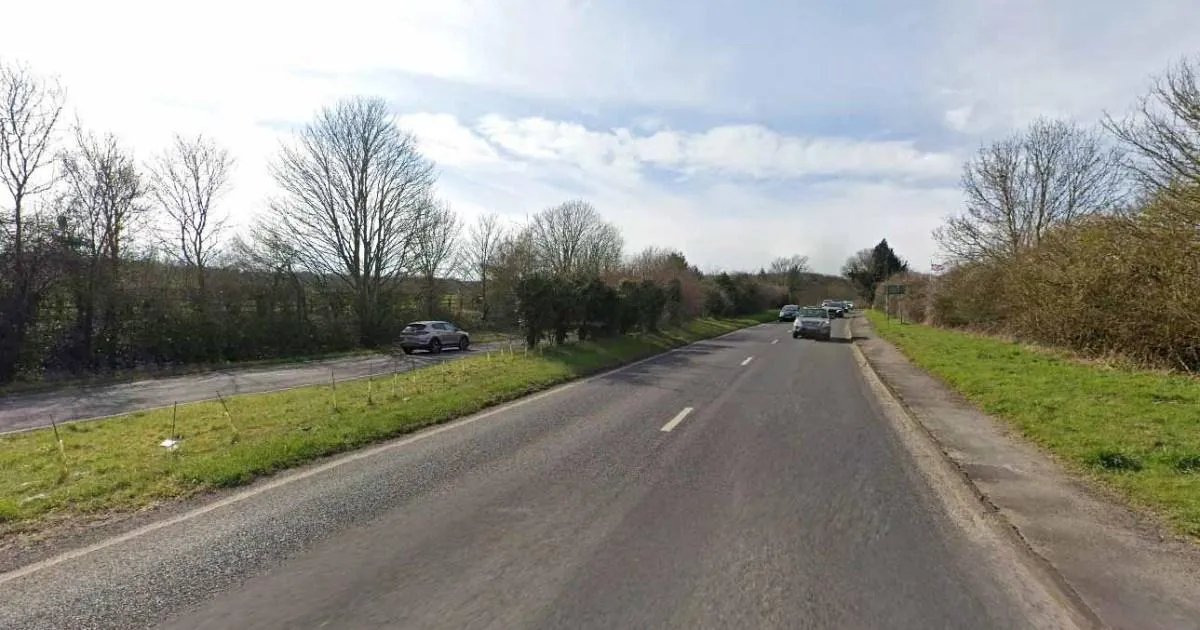
The A246 near Epsom Road in East Clandon is the kind of quiet, unassuming country route that locals drive every day without a second thought. It winds through the lush, undulating landscape of Surrey, bordered by the tranquil treeline of Clandon Wood Nature Reserve, a sanctuary for wildlife and a place of serene escape from the hustle of Guildford. But on a recent night, that pastoral serenity was obliterated in a terrifying and violent instant. At shortly after 11pm, the silence was ripped apart by a deafening cacophony of tearing metal, shattering glass, and the desperate screech of tyres fighting against the laws of physics. Three Seat Leons—distinct in their colours of white, black, and grey—had converged in a catastrophic multi-vehicle collision, creating a mangled tableau of wreckage that spanned the carriageway. The emergency services, arriving at the scene with blue lights strobing into the darkness, were met with a horrifying sight. Tucked within the crumpled shell of the white Seat were two young men. The driver, a teenager still in his late teens, and his passenger, a man in his early twenties, bore the full, unforgiving force of the impact. Despite the frantic, desperate efforts of paramedics who worked against the clock in the cold night air, there was nothing that could be done. Both souls slipped away at the scene, their lives extinguished in a flash of twisted metal on a road they had probably travelled countless times before. The peaceful nature reserve, with its whispering trees and sleeping birds, became a silent witness to a profound loss, its grounds now serving as the backdrop for a crime scene.
The Weight of the Law
As the first grey light of dawn crept over the Surrey hills, the focus shifted from rescue to meticulous reconstruction. The crash on the A246 was no longer just a tragic accident; it had become a formal police investigation with severe legal ramifications. Surrey Police, their faces grim, confirmed the identities of the victims to their shattered next of kin, a task that carries an immense emotional burden for any officer. Meanwhile, detectives began to untangle the web of events that had led to the three Seats colliding. Their scrutiny quickly settled on the occupants of the other vehicles involved. In a swift and decisive move, the police made three arrests. A 22-year-old man from the town of Woking, a 21-year-old woman from Guildford, and a 19-year-old man also from Guildford were all taken into custody. They were booked on the grave charge of causing death by dangerous driving—an allegation that speaks to a reckless disregard for human life. For these three individuals, the trajectory of their lives has been permanently fractured. They now sit in stark police cells, grappling with the monumental reality of the situation. They are no longer just witnesses to a crash; they are suspects facing potential lengthy prison sentences, their futures hanging in the balance as they await questioning. The human weight of this charge is immense. It implies not just a mistake, but a deliberate or grossly negligent action that resulted in two funerals. The investigation is painstaking; forensic teams will analyze skid marks, the deformations of the chassis, the point of impact, and any data from the event data recorders to calculate speeds and evasive actions. The families of the arrested individuals now share a parallel grief, watching their loved ones be processed by the justice system, hoping for a different outcome than the one the evidence might suggest, all while knowing that the families of the victims are awaiting answers that may condemn them.
A Community Shattered
Beyond the headlines and the legal jargon, however, lies the unquantifiable, visceral reality of human grief. The victims were not just statistics in a police report; they were sons with childhood bedrooms, partners with shared secrets, and friends with inside jokes. The news of their deaths has sent a seismic shockwave through the communities of Guildford and East Clandon. Somewhere, a mother is staring blankly at the last photograph she took of her boy, unable to comprehend that she will never hear his key in the lock again. A father is making phone calls to relatives, his voice cracking with a pain too heavy for words. Friends who received a casual text that night now cling to that message as a precious relic, the last connection to a voice they will never hear again. The victims were young, in the prime of life, with aspirations of careers, travel, and love. The passenger, in his early twenties, was just beginning to map out his adult life; the driver, a teenager, was still on the cusp of everything—first jobs, first homes, first loves. Their deaths are an amputation of future potential. In the small villages of Surrey, this loss is felt personally. Neighbours will gather at the side of the road, laying flowers against the barriers, their petals a fragile counterpoint to the hard, cold asphalt. They will tie cards to the fence, messages scrawled in shaking hands, offering words of love and despair. The community will hold hands, pray, and cry together, trying to make sense of the senseless. The A246 is more than a road; it is a lifeline connecting people, and now it has become a shrine, a permanent reminder that the ordinary acts of daily life—like driving home—can be transformed in a heartbeat into a source of irrevocable tragedy.
A Dark Night Across the Nation
The heartbreak in Surrey, however, was not an isolated incident on that grim night, but rather a part of a broader, harrowing tapestry of death that stretched across the entirety of the UK. Just hours after the bodies were being recovered from the Seats on the A246, another fatal collision tore a new hole in the fabric of North Yorkshire. On the A66 in Cleveland, a serious crash occurred, leaving more families decimated. What made this particular incident even more complex and agonizing was the fact that it happened at the tail end of a police pursuit. The high-speed chase had sliced its way through the dark roads, adding a layer of intense danger to an already volatile situation. The police watchdog, the Independent Office for Police Conduct (IOPC), was immediately notified, and their investigators launched a formal probe into the incident. This marks a heavy burden for the officers involved, who now face questions about where the line between law enforcement and public safety was crossed. For the families of those who died, the IOPC investigation adds a grueling wait to an already unbearable grief, as they seek to understand the role of the police in the final moments of their loved one’s lives. But for the paramedics, firefighters, and traffic officers working that night, it was a relentless assault on their senses and their souls. Moving from the carnage of one county to the next, they were confronted with the rawest form of human mortality. The flash of memory of twisted limbs, the smell of fuel and blood, and the haunting quiet after the sirens fade are burdens these men and women carry long after their shifts end. It was a dark night for emergency services who were forced to switch their brains from rescue mode to recovery mode, a brilliant yet traumatic demonstration of their dedication to serving a public that often forgets the sacrifices made when tragedy strikes.
The Aftermath and the Unanswered Questions
The carnage continued into the early hours of the morning, painting an even darker portrait of the nation’s roads. In Kent, a vital artery of the country’s infrastructure ground to a halt. A substantial section of the M20 motorway, the critical corridor linking the UK to mainland Europe through the Channel ports, was completely shut down between junctions 4 and 6. This closure came following another serious collision that occurred at roughly 3:20am. The motorway, typically a roaring river of haulage lorries and commuters, was reduced to a silent, empty ribbon of concrete. Details regarding the number and severity of casualties remained frustratingly vague, hidden behind a veil of police tape and official silence as investigators worked to right the wrecked vehicles. The closure persisted deep into the afternoon, causing massive tailbacks and chaos for tens of thousands of travellers, turning the tragedy into a logistical nightmare that underscored the crash’s severity. These simultaneous events—in Surrey, North Yorkshire, and Kent—force a somber public examination of the fragility of life on our roads. They raise chilling questions that haunt every investigation: Was excessive speed a factor? Were that dashcams deactivated? Were the drivers under the influence of alcohol or drugs? The stark reality is that the UK’s road network, for all its safety advancements, is still a place where a moment of distraction or a risk taken on a familiar corner can result in the ultimate price. When police appeal for dashcam footage, they are not merely looking for evidence to seal a court case; they are desperately trying to piece together the final seconds of lives lost, to provide answers to families who are drowning in “what ifs.” The closed roads are not just traffic management decisions; they are sacred crime scenes which hold the final secrets of the departed.
A Call for Compassion and Prudence
As the investigation into the Surrey crash continues, with the A246 remaining cordoned off to traffic, the emotional aftershocks are spreading outward like ripples in a pond. Surrey Police have issued a poignant public appeal—asking anyone who was in the area between 10:50pm and 11pm, or anyone with dashcam footage, to come forward. They are seeking those missing pieces of the puzzle that will illuminate the exact sequence of events leading up to the violent collision. This forensic precision is crucial for the courts, but it is also a balm for the grieving families, who need to understand, to process, and to eventually find a way to move forward. Yet, in this dark chapter, there is a universal call for human compassion. The three individuals currently in police custody—the 22-year-old man, the 21-year-old woman, and the 19-year-old man—await their fates, their own families enduring a perverse parallel trauma of shame, worry, and fear. But no matter the legal verdict, no matter the punishment handed down in a courtroom, the permanent loss will remain. Those two young men are gone forever. Their chairs will remain empty at family dinners. Their names will slowly fade from the group chats but will linger in the hearts of those who loved them. This incident serves as a profound, tragic memento mori for us all. We get into our cars, we buckle up, we turn the key, and we assume we have control. We take the shortcut down the country road, we drive a little too fast to make the light, we glance at our phones—and we ignore the thin line that separates us from the abyss. In the coming weeks, the flowers will wilt and be removed from the roadside, and the road will reopen, forever scarred. But the memory of that night will linger in the whispered conversations of East Clandon. For the two families left behind, the sound of an engine revving will forever be associated with that final, fatal moment. It is a stark reminder for every driver to treat every journey with the gravity it deserves, to acknowledge the immense responsibility we wield when we sit behind the wheel, and to cherish the precious, fragile lives we all carry with us on the road. The road is a place of connection, but it is also a place of consequence, and we must all travel it with prudence, respect, and an unwavering awareness that a single mistake can change everything.