


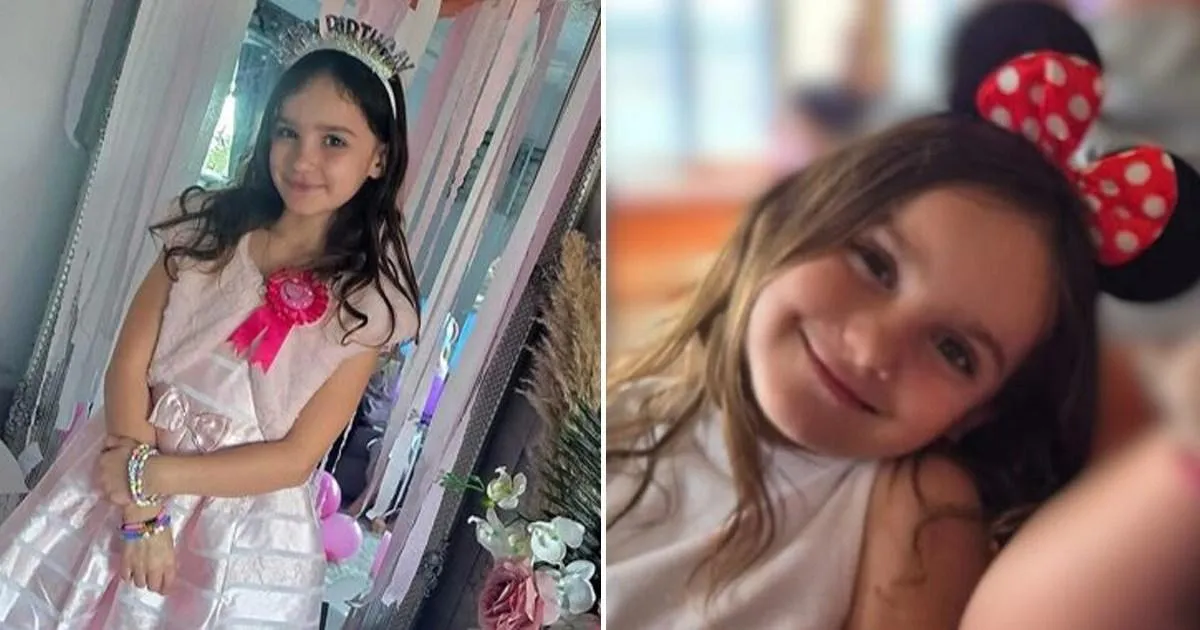
The tragic death of nine-year-old Aria Thorpe in Weston-super-Mare has left a community in mourning and a courtroom grappling with a nightmare scenario. On December 15 of last year, the young girl’s life was cut short by a single, catastrophic knife wound to the chest. The events that unfolded at her family home have been the subject of a harrowing trial at Bristol Crown Court, where a 16-year-old boy, who cannot be identified for legal reasons, stood accused of her murder. The innocence of a typical evening—pizza, chores, and mother-daughter goodbyes—was shattered, leaving a void that no legal verdict can truly fill.
As the trial revealed, the final moments of Aria’s day began with the familiar warmth of home. Her mother, Tori Hull, had enjoyed an afternoon with her daughter, picking her up from a dance class and sharing a simple dinner of mini-pizzas before heading out to an evening shift at work. Aria was, by all accounts, a bubbly and happy child, spending her final moments sitting on the sofa, watching videos, and looking forward to an Oreo treat. When her mother left for work that evening, she had no inkling that a casual “see you after work” would be the final conversation she would ever have with her daughter.
The defense presented by the teenager painted a picture of a split-second, reckless decision that spiraled into an irreversible tragedy. During his testimony, the defendant explained he had picked up a long kitchen knife with the sole intent of “scaring” Aria to get a reaction. He described standing in the lounge and mimicking a fencing motion, hoping to make her flinch. In what he described as a horrific accident, the blade moved forward, penetrating deep into her chest. He recounted his panic, describing how he stood frozen before pulling the knife out, leaving Aria to collapse onto the floor while he fled the house in a state of terror.
The legal proceedings focused heavily on intent, as the jury had to weigh the boy’s claims of accidental injury against the severity of the act. The boy testified that he didn’t check on Aria or call for help because he was overwhelmed by fear, retreating instead to a nearby railway station. It was there that he approached a group of children, blurting out that he had killed someone by accident—a confession that ultimately led to his arrest when a witness contacted the emergency services. Despite his admission that he felt “horrible” about the incident, the evidence of his actions at the station—including a chilling search on a borrowed phone regarding the consequences of killing—formed a core part of the prosecution’s scrutiny.
On Thursday, the jury delivered a verdict that brought immediate, tense closure to a trial characterized by profound sadness. After careful deliberation, the teenager was found not guilty of both murder and the alternative charge of manslaughter. As the judge, Mrs. Justice O’Farrell, read the verdict, the courtroom remained silent, the public gallery—including Aria’s mother—complying with previous instructions to avoid outbursts. The judge acknowledged the immense difficulty faced by the jurors, offering her gratitude for the “fortitude and calm reflection” they maintained throughout a case that has been deeply distressing and difficult to process for everyone involved.
As the teenager was processed following his acquittal, the finality of the court’s decision stands in sharp contrast to the permanence of Aria’s absence. While the legal process has concluded, the human cost remains staggeringly high. A nine-year-old girl is gone, a family is forever fractured, and a community is left to contemplate how a home, intended to be a sanctuary, became the scene of a life-ending accident. The case serves as a somber reminder of the fragility of life and the devastating, irreversible consequences that a single moment of poor judgment can carve into the future of two young lives.