

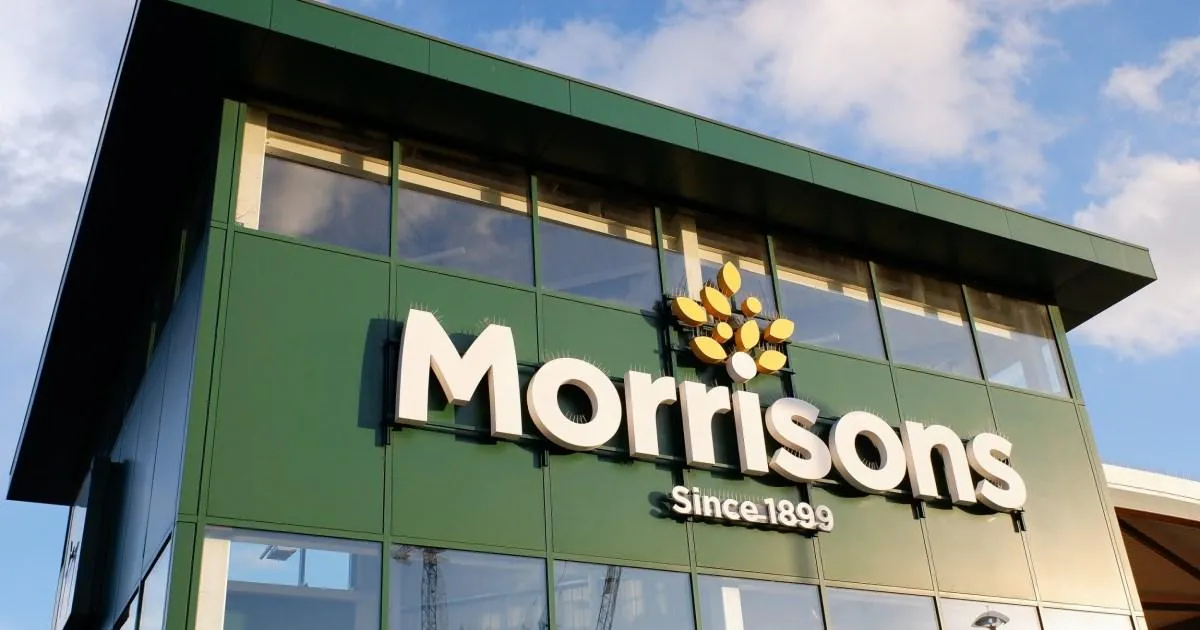
The recent controversy involving a branch of the supermarket chain Morrisons in Brentford, West London, serves as a sobering reminder of how historical prejudices and everyday retail decisions can collide in ways that cause profound hurt. The incident centers on Nadeane Smallwood, a 37-year-old operations manager, who was shopping at her local store when she stumbled across something that stopped her in her tracks. Among the various items in the world foods aisle, positioned directly beneath signage featuring Jamaican and Nigerian flags, sat a small monkey-shaped teething toy. To most, such an item might appear as a simple, perhaps misplaced, piece of baby product inventory, but for Smallwood, the context turned a mundane shopping trip into a deeply distressing encounter with what she perceived as blatant, systemic racism.
For Smallwood, who holds both British and Jamaican citizenship, the placement of the toy was far too deliberate to be dismissed as a mere mistake by a distracted employee. As she surveyed the aisle, she noted that the other products hanging from the display hooks were arranged logically and intentionally, suggesting that the store’s layout was not the product of random chance. The realization hit her with sickening clarity: the toy had been placed in that specific spot with a level of forethought that transformed it from a piece of plastic into a hostile gesture. Feeling targeted, she described the experience as a form of “taking the p*ss,” a brazen and offensive allusion that linked her identity and heritage to imagery that has historically been used to dehumanize Black people.
The emotional weight of the event for Smallwood cannot be overstated. As a well-traveled individual, she confessed that while she had encountered microaggressions in the past, nothing had prepared her for this level of public hostility in her own neighborhood. She described it as an experience of being targeted simply for “existing,” noting the shock of witnessing such an overt display of prejudice in a modern British retail space. Overwhelmed by the situation and fearful of escalating a potential conflict with store staff, she opted not to confront the employees on the spot. Instead, she left the store feeling both vulnerable and outraged, marking a significant departure from her usual experience of the community she calls home.
In the aftermath of the incident, Morrisons issued a formal apology, acknowledging the gravity of the offense. A company spokesperson expressed their regret, emphasizing that the placement of the monkey toy was never intended to offend or alienate any segment of their customer base. They acted swiftly once the matter was brought to their attention, removing the product from the aisle immediately. While the swift corrective action suggests a corporate desire to mitigate reputational damage, the apology highlights the ongoing tension between a brand’s stated values of inclusivity and the reality of how individual store environments function on the ground. For a company of Morrisons’ size, the event underlines the necessity for rigorous sensitivity training and store-level oversight.
The controversy touches upon a broader, uncomfortable dialogue regarding the persistent nature of racism in public spaces. When such incidents occur, they often spark intense debates between those who demand immediate accountability and others who may dismiss such grievances as “overreactions” or coincidences. However, the perspective of those like Smallwood is a vital counterpoint: she reminds us that context is everything. The history of using simian imagery to belittle or dehumanize Black people is well-documented and deeply painful; when this imagery is juxtaposed against cultural symbols of the African and Caribbean diaspora, it ceases to be a coincidence and becomes a symbol of exclusion.
Ultimately, this story is about the human cost of negligence. Whether the placement of the toy was an act of calculated malice or a display of staggering ignorance by an employee, the impact on the customer remained the same: a painful sense of rejection in a place where everyone should feel welcome. Morrisons’ apology and the removal of the item are necessary first steps, but the indignation voiced by the community points to a deeper need for businesses to consider the cultural impact of their displays. It is a stark reminder to retailers everywhere that their stores are not just centers of commerce, but community spaces where the dignity of every person must be treated with genuine, informed care.