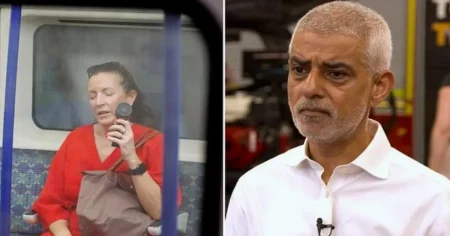




The recent, stifling heatwave across the UK has pushed many residents to their breaking point, leading to scenes of desperation as people scrambled for any semblance of relief. Among the most sought-after items during this climate crisis has been the Tronic 3-in-1 portable air conditioning unit sold at Lidl. With temperatures consistently climbing past 30°C, a portable cooling system for just £149 seemed like a lifeline, triggering a frantic retail rush. However, what should have been a helpful consumer opportunity quickly spiraled into a chaotic spectacle, as crowds gathered in the sweltering heat only to find themselves met with empty shelves and mounting frustration.
The situation was exacerbated by a significant lack of transparency and logistical confusion surrounding the store’s inventory. While many shoppers had planned their morning around the advertised release date, stories began to emerge from across the country—from Hampshire to Warwick—suggesting that stores had either put the units out a full day early or failed to stock them entirely. For those who braved the early morning queue, the sight of a “sold out” sign or the news from store management that the units never arrived was a bitter pill to swallow. The disconnect between Lidl’s promotional messaging and the actual availability in stores turned a simple retail purchase into a deeply aggravating experience for customers already exhausted by the oppressive heat.
Perhaps the most significant source of consumer anger stemmed from the perceived lack of fairness in how the units were distributed. Reports surfaced of shoppers walking away empty-handed after witnessing others purchase multiple units in a single transaction. By failing to implement a “one per customer” limit, Lidl unwittingly facilitated a scenario where bulk-buying patrons effectively snatched up the entire supply, leaving behind a group of disappointed, early-rising individuals. This lack of oversight felt, to many, like a disregard for the community spirit, as those who truly needed a single unit to survive the heat were left out in the cold—or rather, left back in the heat—by the greed of a few.
The social media reaction was predictably sharp, with platforms lighting up with accounts of wasted journeys and angry confrontations. In Portishead, one disgruntled customer publicly criticized the retailer for alienating its base, noting that the logistical slip-up of releasing products early made a mockery of their advertised sales schedule. Another shopper in High Wycombe described a scene of collective fury when, despite arriving at 7:20 a.m. to beat the crowd, they were told by a manager that no stock had even arrived, leaving nearly 50 people standing in the heat with no solution in sight. The emotional toll of these failed shopping trips was intensified by the physical toll of the record-breaking weather.
This incident highlights a broader tension between retail giants and the public during moments of environmental stress. When essential goods—whether they be medical supplies, food, or, in this case, climate-control technology—are offered at bargain prices, the responsibility of the retailer to manage the potential surge is immense. By failing to regulate the purchase process or manage inventory expectations, the company transformed a standard “middle aisle” deal into a point of social friction. For those caught in the middle of these queues, it wasn’t just about missing out on a fan or an air conditioner; it was about feeling like their time, their effort, and their basic comfort were not prioritized by the businesses they rely on.
Ultimately, the plight of these shoppers serves as a stark reminder of how ill-prepared our infrastructure and retail systems are for the reality of a warming climate. As heatwaves become a more frequent and intense occurrence in the UK, the demand for cooling solutions will only continue to rise. If retailers are going to position themselves as providers of these essential items, they must develop more robust protocols to handle the demand fairly and transparently. Until then, the scramble for a £149 cooling unit stands as a cautionary tale of how, in the heat of the moment, a lack of planning can quickly leave everyone involved feeling hot, bothered, and deeply unheard.