


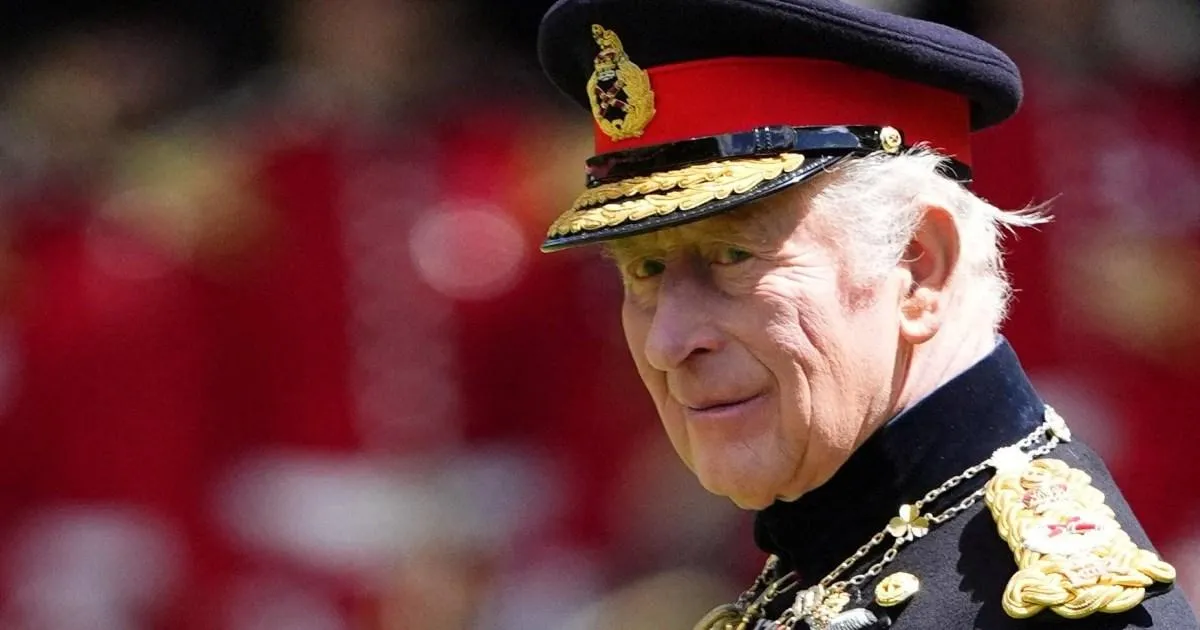
It is a decision that marks a definitive break with nearly two centuries of royal tradition: King Charles III has announced that he will not be moving into Buckingham Palace, even after the massive, ten-year, £370 million renovation project is finally completed next March. While the palace has served as the iconic “monarchy HQ” ever since Queen Victoria established it as the official royal seat in 1837, the King has chosen to remain at Clarence House, his long-time home since 2003. This departure from expectation means that while the palace will remain the ceremonial and operational heart of the monarchy, it will no longer function as the King’s private residence.
The explanation provided by the Palace is rooted in a desire to modernize the institution and be better stewards of a building that belongs to the nation. By not using the palace as a permanent home, the King and Queen Camilla can effectively remove the security constraints that typically force officials to limit public access whenever royalty is in residence. James Chalmers, the Keeper of the Privy Purse, emphasized that this decision is a recognition of the future, designed to “greatly increase opportunities for public access” to one of Britain’s most beloved landmarks. The King remains deeply fond of the palace, and he will still maintain private rooms there for use during the working day, but the residence will essentially cater far more to the public than to the monarch.
For many, the image of Buckingham Palace as a “buzzing hive” of activity for tourists rather than a private royal bedroom takes some getting used to. It has been six years since the late Queen Elizabeth II last spent a night within its walls, having spent much of her final years at Windsor Castle. The transition signals a shift toward a more transparent, visitor-friendly monarchy. With over 683,000 people touring the building last year alone—despite significant areas being closed for construction—the economic impact of opening the doors even wider is clear. The Royal estates currently generate millions in ticket sales, and the Palace appears keen to maximize this “national benefit” by treating the building as a public asset first and a private home second.
However, the decision has not been met with universal acclaim, particularly from those critical of royal spending. Campaigners, such as the organization Republic, have voiced frustration that such a vast sum of taxpayer money—£369 million—was allocated for a renovation project for a building the King now does not intend to call home. Critics argue that if the palace is not to be used as a primary residence, it should be fully accessible to the public year-round rather than being kept partially under “lock and key.” The ballooning costs of the Sovereign Grant, which covers property maintenance and travel, remain a point of contention for those who feel the institution’s financial footprint has grown too large during an era of economic uncertainty.
Amidst the debate about property and access, the Palace also released its latest financial accounts, offering a rare glimpse into the King’s private contributions to the public exchequer. For the first time, the details of the monarch’s personal tax contributions were highlighted, revealing a £12.9 million tax bill for the 2024-25 fiscal year. This places King Charles among the top 100 taxpayers in the United Kingdom, a fact intended to demonstrate the monarchy’s evolving transparency. Prince William also stepped forward to disclose his own tax details, paying over £7 million in income and capital gains tax, reflecting a concerted effort by the senior royals to modernize their public image and address long-standing questions about their personal wealth and funding.
Looking ahead, it seems this change of pace is here to stay. Speculation is already mounting that when Prince William eventually ascends the throne, he, too, will opt not to move into Buckingham Palace, continuing with his family’s life in Windsor. The era of the British monarch living behind the high walls of a private palace appears to be fading, replaced by a model that prioritizes the palace as a ceremonial, administrative, and touristic powerhouse. While the King will continue to host ambassadors, garden parties, and state functions beneath the Royal Standard, Buckingham Palace is effectively being “given back” to the people, marking a symbolic, if practical, evolution in the history of the British throne.