

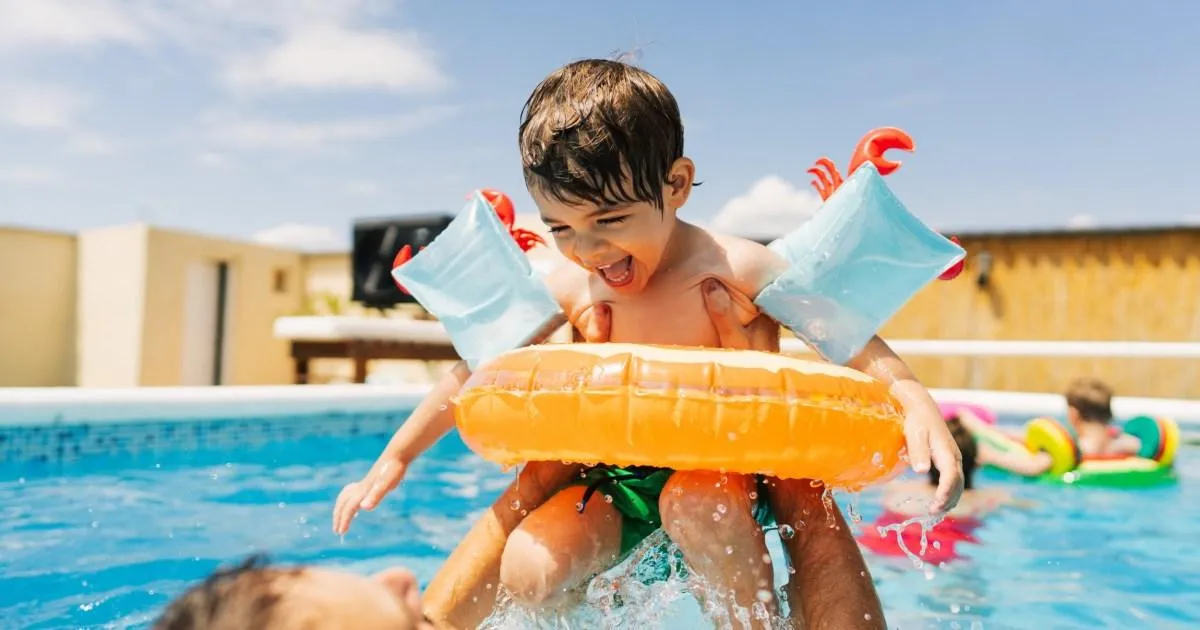
Picture a bright summer’s afternoon: a paddling pool in the garden, the splash of cool water, and a toddler bobbing happily inside a cheerful, unicorn-shaped inflatable float. For many parents, these floats seem like a harmless way to help babies feel comfortable in the water, giving little ones a sense of freedom while allowing exhausted mums and dads to relax for a moment by the side. But a deeply concerning investigation by consumer group Which? has pulled back the curtain on a hidden and potentially deadly side to this idyllic scene. More than 100 pool floats sold online by third-party sellers on major marketplaces, including Amazon, have been found to have dangerous defects, with many risking collapse in the water, leaving infants at risk of drowning. Others could suffocate babies trapped within them, or cause neurological damage and serious injury. The floats are being marketed directly to parents through images that show babies floating alone in the pool while their parents watch from sun loungers, creating an illusion of safety that investigators say could not be further from the truth.
The investigation uncovered a trail of troubling products, many of which mimic designs that have already been linked to tragedy. Two unicorn floats advertised on Amazon were found to closely resemble a product that had been recalled by TikTok Shop just a few months earlier, in December, after it was flagged for serious safety failures. Another shark-shaped float was so concerning that Amazon’s own AI chatbot, Rufus, warned shoppers that the product had “significant safety concerns” in windy weather, a rare admission from the platform itself. Even more alarming, at least 14 floats sold under the brand Relaxing Baby were found to appear identical to a product that had killed a two-year-old child in the United States. Similar floats were also spotted on OnBuy and Vinted, with designs resembling a toy that the US Consumer Product Safety Commission had officially labelled hazardous. In total, 11 more identical-looking products appeared on AliExpress and Vinted, often unbranded or sold under different names, making it even harder for parents to identify and avoid them. The sheer scale of the problem is frightening. It shows that unsafe, dangerously designed children’s products are not rare anomalies but are flowing through online marketplaces, often unchecked, into the hands of trusting families.
The specific dangers of these floats are as varied as they are terrifying. Some of the most worrying designs are neck floats, which fasten around a baby’s neck and suspend the child in the water. These are not only a drowning risk but can also cause suffocation, strain, and serious neck injuries, with the potential for lasting neurological damage because infants’ bodies are so fragile. Organisations including the Swimming Teachers Association (STA) have warned parents strongly against using them, explaining that they offer no genuine protection and instead create a dangerous false sense of security. Other floats with overhead canopies were flagged as being at risk of collapsing or capsizing, potentially leaving a baby trapped underneath the water. At least 14 such products have already been listed on the UK government’s recall site, the Office for Product Safety and Standards. Even inflatable pool seats, which are usually considered safer, can become deadly if they are the wrong size or have unsuitable leg openings, allowing a baby to slip through and become trapped. The reality is that many of these products are designed to look adorable, but the cuteness hides critical flaws. No amount of happy packaging or smiling baby photographs changes the fact that, in the water, these floats can fail in seconds, and a child’s life can be changed forever or lost.
This is not simply a case of a few negligent manufacturers. Which? has pointed to a system that allows these dangerous goods to reach families with alarming ease. Sue Davies, head of consumer protection policy at Which?, described the business model used by online platforms as deeply irresponsible, allowing third-party sellers to list potentially hazardous products without facing consequences. “We’ve seen time and again that they will not do enough to prevent the sale of unsafe products unless they are forced to,” she said. She went on to call on the government to stand firm against lobbying from Big Tech and to use powers under the Product Regulation and Metrology Act to impose a clear legal duty on online marketplaces. This would make platforms responsible for ensuring that products sold through their third-party sellers are safe, with tough enforcement for those that fail to meet the standard. The concern is that, for too long, marketplaces have treated themselves as neutral intermediaries, claiming they are merely hosting sellers rather than selling products themselves. But parents do not see it that way. When a float is bought on Amazon, they trust it because Amazon is the name on the box. The current system, without accountability, leaves children at risk and puts the burden on exhausted parents to spot hazards that professional safety regulators are struggling to catch.
In the wake of the investigation, the companies involved have responded, though consumer groups remain sceptical. Amazon said it had strict proactive controls on consumer products, including testing, and that it had removed the products concerned and launched an investigation. A statement from the company read: “We’ve removed the products in question and are investigating how these came to be available. We continuously monitor our store, and we take swift action when we’re alerted of potential issues. If customers have concerns about any item they’ve purchased, we encourage them to contact our Customer Service directly so we can investigate and help resolve their issue.” Vinted said it takes action to remove prohibited products from its platform and works closely with relevant authorities to maintain effective detection and compliance. TikTok Shop said it removes all products listed by government regulatory bodies and has sent recall notices to all affected customers. AliExpress said it had removed the flagged products from sale and was rolling out additional safety measures specifically for baby floats. These responses sound reassuring, but critics argue they are reactive rather than prevention-driven, and that products should never have been allowed on sale in the first place. The same patterns keep repeating: a product is flagged, removed, and then reappears under a different brand or from another seller. Without stronger legal duties, these companies have little incentive to do the difficult, expensive work of checking every item before it reaches families.
For parents, the most important question is what can be done to keep children safe in the water while the fight for better regulation continues. The advice from experts is clear. Always make sure inflatable pool seats are the correct size, with appropriate leg openings and no harnesses, and hold the float during use in the water. Avoid floats with overhead structures or canopies, and steer well clear of any float that fastens around the neck. Check armbands for leaks and make sure they are the right size for children. Choose reputable companies to ensure products are compliant with safety regulations, and check both the brand’s legitimacy and the site advertising it. Be aware of fake product reviews, including five-star write-ups often produced in return for a reward or incentive, because they can make dangerous products look trustworthy. Finally, look for the CE or UKCA mark, which indicates a product adheres to a specific safety standard. But perhaps the most powerful piece of advice is also the simplest: never rely on a float to keep your child safe. No inflatable product, however well designed, is a substitute for vigilant adult supervision and direct contact with a responsible adult. Pool time should be filled with laughter, splashing, and joyful memories, not fear. But ensuring that those happy moments stay happy means choosing safety over convenience, questioning what you buy, and pushing companies and governments to do more. Every parent deserves to know that the product they bought, with love and hope for a fun summer, will not become a tragedy in their own backyard.