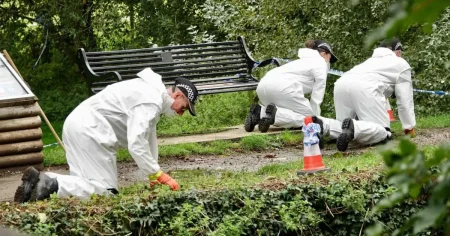


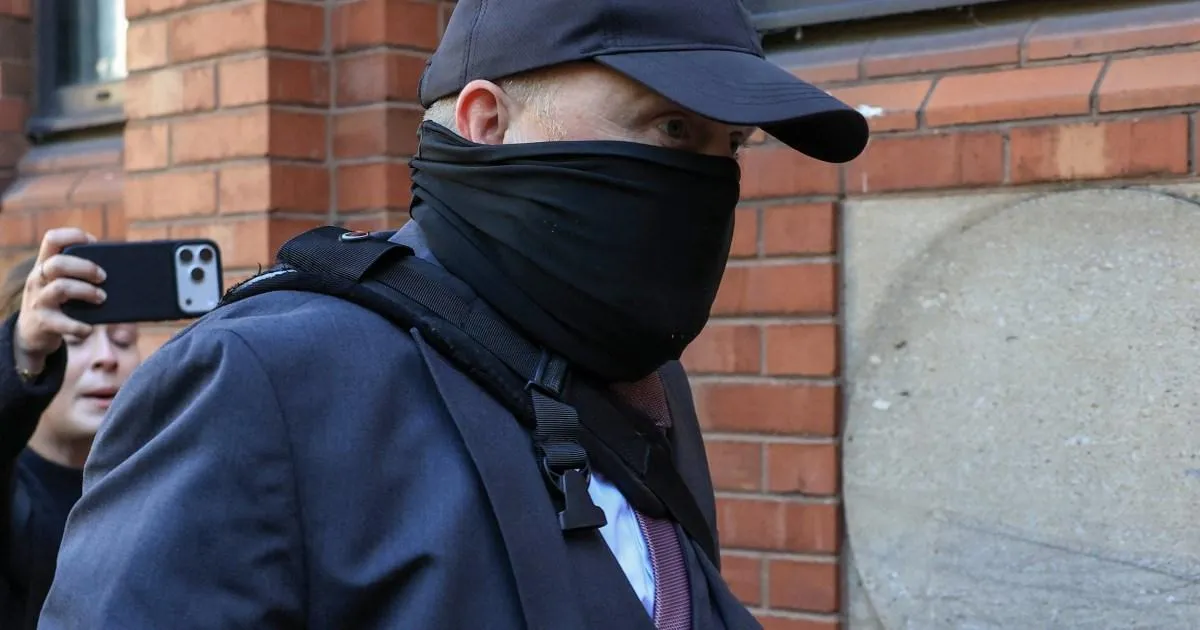
The trial of Robert Bush, the former director of Legacy Independent Funeral Directors in Hull, has been nothing short of a harrowing descent into a nightmare that no grieving family should ever have to endure. As proceedings unfolded at Hull Crown Court, the courtroom was gripped by palpable waves of distress—heard in the collective gasps and stifled sobs of those who trusted Bush with their most vulnerable moments. The scale of the deception, which surfaced in March 2024 while Bush was away on holiday, revealed a grotesque disregard for the dead. Authorities acting on a tip-off discovered a scene that defied comprehension: bodies in varying, distressing states of decomposition, scattered and neglected, stripping away any shred of dignity from the deceased and shattering the peace of those they left behind.
Among the most heart-wrenching stories to emerge is that of Jasmine Beverley, who, like so many others, believed she had properly laid her son, Sunny, to rest. Sunny was stillborn at 18 weeks, and for nearly two years, his mother lived under the impression that he had been cremated with grace and respect. The reality, uncovered by police, was far more cynical: Sunny’s tiny remains had been abandoned on the cold room floor of the funeral home, encased in little more than a basic envelope and a piece of cotton padding. When officers initially discovered the parcel, they were unsure if they were looking at a human form or something else entirely, a testament to the appalling conditions in which these bodies were left. It was only the presence of wristbands identifying him as Ms. Beverley’s son that finally brought the truth to light.
The trauma inflicted upon families like the Beverleys is immeasurable, rooted in a fundamental betrayal of trust. For years, these families had processed their grief based on a ceremony that never truly happened. Upon learning the truth, Ms. Beverley described the haunting experience of discovering that the “cremation” she had mourned was a fabrication. Despite the cruelty of the situation, she expressed a bittersweet, desperate comfort in the knowledge that her son was at least found alongside others, rather than being entirely alone in those dark, forgotten rooms. This small, tragic consolation highlights the desperate lengths to which victims must now go to reconcile their fractured memories with the horrific reality of Bush’s business practices.
Robert Bush, who has since pleaded guilty to 30 counts of preventing a lawful and decent burial, had carefully cultivated a facade of professionalism. To grieving families, he appeared to be a source of calm, empathy, and respect during their darkest hours. Ms. Beverley noted that he had “a lot of people fooled,” his gentle demeanor acting as a mask for the profound neglect happening just behind his office doors. This duality makes the betrayal sting even more sharply; the very individual tasked with guiding families through their final goodbyes was the architect of their ongoing, compounded trauma. The court is now left to grapple with the legal ramifications, but no sentencing can truly restore the sanctity that was stripped away from these families.
Beyond the individual pain, the Legacy scandal has exposed a glaring failure in the oversight of the funeral industry. For 18 months, survivors of this tragedy have been traveling to Westminster, pleading with lawmakers to implement stricter regulations. There is an urgent, frustrated call to turn the “best practices” currently followed by reputable funeral homes into mandatory, enforceable law. The families argue that because this sector is largely unregulated, it allowed a predator like Bush to flourish in the shadows. They are now, through their own unimaginable grief, demanding a systemic overhaul to ensure that no other family is ever subjected to the indignity and horror that redefined their bereavement.
Ultimately, this trial stands as a testament to the resilience of the families who are fighting not just for justice, but for systemic change. While Robert Bush faces the consequences of his crimes, the echoes of his actions remain in the hearts of the hundreds of victims he exploited. Their advocacy in the face of such deep personal devastation is a powerful assertion of dignity in a situation that tried to erase it. They are no longer just victims; they are messengers, holding up a mirror to a broken industry and demanding that the final chapter of a loved one’s life be treated with the unwavering respect and reverence it deserves. Their struggle continues, fueled by the hope that their pain might finally pave the way for a more accountable future.