



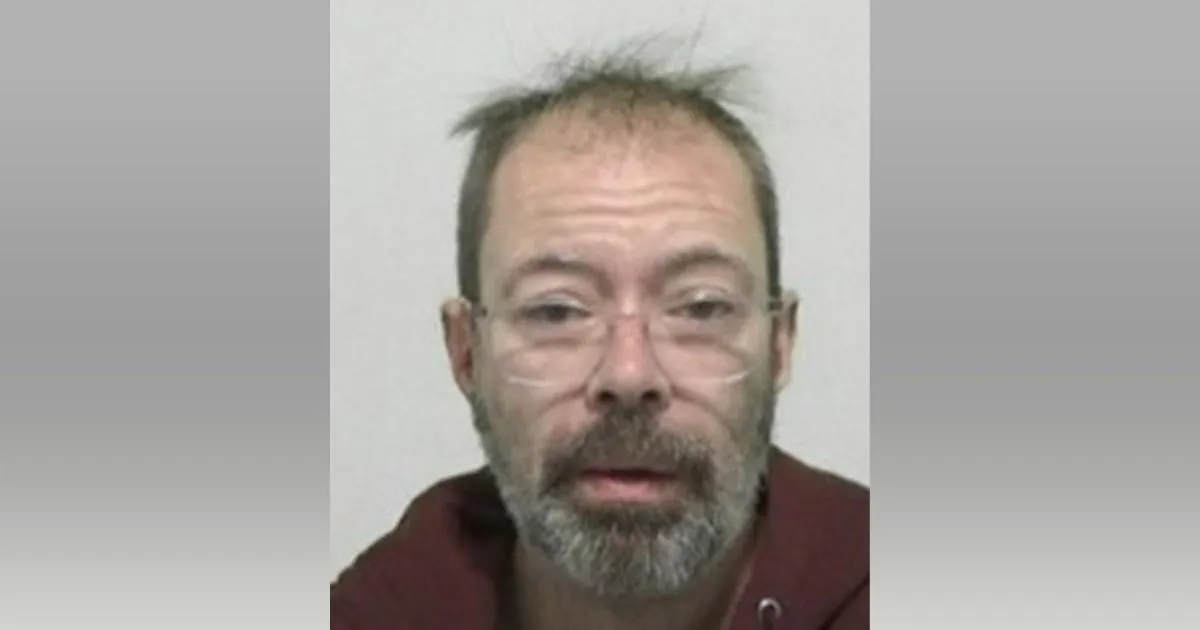
It was an ordinary Tuesday evening at Newcastle Central Station, one of the busiest and most recognisable transport hubs in the North East. Commuters were making their way home, railway staff were finishing shifts, and the usual hum of arrivals and departures filled the air. Then, just after half past nine, something deeply unsettling happened. Paul Southern, a 47-year-old man of no fixed abode, walked into the station and sat down on a bench. In full view of passengers and railway staff, he exposed himself. There was nothing accidental about it. It was a deliberate, calculated act that turned a public space into a scene of shock and discomfort for everyone who witnessed it. A railway crew member, alert and brave enough to act quickly, noticed what was happening and immediately contacted British Transport Police. Within moments, the situation was taken seriously, and Southern was arrested. But the fact that this happened at all, in the middle of a busy station, in front of ordinary people simply trying to travel, is a reminder of how vulnerable public spaces can feel when someone chooses to behave in such a predatory and disrespectful way.
What makes this case even more disturbing is the timeline behind it. Southern had only been out of prison for three weeks when he committed this offence. Earlier in the year, in February, he had been caught lurking in the women’s toilets at the very same railway station. That offence, a form of voyeurism, led to a four-month prison sentence handed down on March 26. He served his time and was released, presumably with the expectation that he would reintegrate into society and stay on the right side of the law. Instead, he returned to the same location, the same kind of behaviour, and the same disregard for the people around him. When police interviewed him after his arrest, he admitted that his sole purpose for travelling to the station that evening was to expose himself. There was no excuse, no misunderstanding, no moment of poor judgement. He planned it. He went there specifically to commit an act that would violate the comfort and safety of strangers. For anyone who has ever felt uneasy on public transport or in a station, this case is a stark reminder that some individuals deliberately target these shared spaces to act out their own disturbing desires at the expense of others.
The legal consequences followed swiftly. Southern pleaded guilty to exposure and to failing to comply with his sexual offender notification requirements. These notification requirements, often referred to as being on the Sex Offenders Register, are not simply bureaucratic paperwork. They exist to help police monitor individuals who have committed sexual offences, to reduce the risk of reoffending, and to give the public a layer of protection. By failing to comply, Southern showed once again that he was not willing to follow the rules designed to keep others safe. At Newcastle Crown Court on October 6, he was jailed for four months and ordered to re-sign the Sex Offenders Register for seven years. The sentence sends a clear message that this kind of behaviour will not be tolerated. But it also raises difficult questions. A four-month sentence, after already serving time for a similar offence at the same station, may feel far too short to those who were affected. For the passengers and staff who witnessed his actions, the memory of that evening will not disappear simply because a court case has ended. They were subjected to something unwanted and degrading, and the impact of that can linger long after the offender has been led away.
Detective Constable Adil Ahmed from British Transport Police spoke about the case with clarity and resolve. He said that Southern had clearly not changed his ways and that it was only right he was back behind bars. He described how Southern acted with shocking levels of disregard for other commuters, planning the offence in advance and subjecting others to a horrific ordeal for his own gain. Those words matter. They acknowledge that this was not a minor incident or a harmless act. It was an ordeal for the people who had the misfortune of being in that station at that moment. The detective also urged anyone who has witnessed or been a victim of a sexual offence on the railway network to report it by texting 61016. This is a vital message. Too often, incidents like this go unreported because victims or witnesses feel embarrassed, uncertain, or afraid that they won’t be taken seriously. But the police response in this case shows that reports are taken seriously, that action will be taken, and that offenders will be brought before the courts. The bravery of the railway crew member who acted quickly is a powerful example of how ordinary people can make a difference. By speaking up and contacting authorities, they helped ensure that Southern was stopped before he could do more.
Stories like this are uncomfortable to read. They remind us that sexual offences can happen anywhere, even in the most ordinary of settings. A train station is supposed to be a neutral, public place where people pass through on their way to work, to see loved ones, or to begin a journey. When someone violates that space in such an explicit and intentional way, it shakes our sense of safety. It is important to recognise that these crimes are not victimless. Even if no one was physically touched, the emotional and psychological impact on those who witnessed the exposure can be significant. People may feel violated, anxious, angry, or unsafe in the future. They may find themselves scanning their surroundings more carefully the next time they enter a station. They may hesitate before sitting on a bench or waiting for a train. The ripple effects of one person’s selfish and inappropriate behaviour can spread far beyond the moment itself. That is why it is so important for the justice system to respond firmly, and for society to take these matters seriously rather than dismissing them as minor or harmless.
Ultimately, this case is a story about accountability, but it is also a story about the need for continued vigilance and support. Paul Southern is back in prison, and that is a just outcome. But his return to the same station, just weeks after being released, raises troubling questions about rehabilitation and whether enough is being done to break cycles of offending. It is easy to feel frustrated, even angry, that someone would behave this way again so soon after being punished. That frustration is understandable. At the same time, it is worth remembering that the people affected by his actions deserve compassion and support, not blame. If you have ever experienced something like this, or if you have witnessed it happening to someone else, there are channels to report it and people who will listen. The work of British Transport Police and other agencies is ongoing, and every report helps them build a clearer picture of offending patterns and protect more people. As commuters and members of the public, we can also play a role by looking out for one another, speaking up when something feels wrong, and supporting those who have been affected. Justice in this case has been served, but the broader effort to make public spaces safe and respectful for everyone continues every single day.