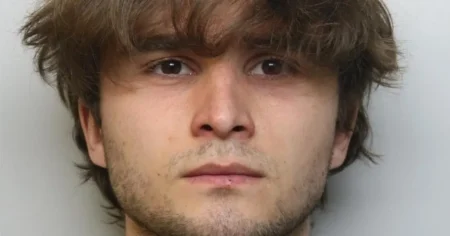

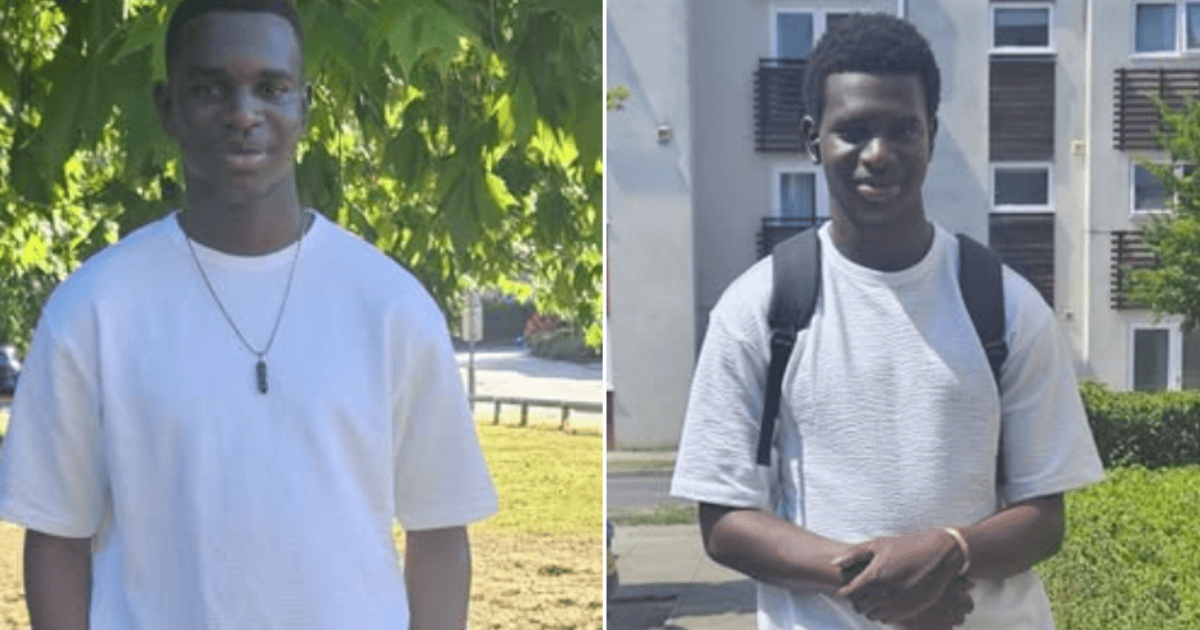
The quiet horror of a parent’s worst nightmare unfolded in the early hours of a Friday morning on the Orwell Bridge in Ipswich, a structure that normally serves as a mundane artery for commuters but which became the site of an unspeakable tragedy. Joel Sousa, a young man of just eighteen years, was found dead on the 1.2-kilometre expanse of tarmac that carries the A14 over the River Orwell. The circumstances of his death, believed to involve a fatal collision with a vehicle, have sent shockwaves through his family and the wider community. What began as a desperate search for a missing teenager, last seen walking barefoot in the vicinity of a local hospital, ended in the most devastating way imaginable. Police were alerted by the ambulance service at 3:41am, receiving reports of a person walking along the westbound carriageway of the bridge. By the time emergency services arrived at the scene, the young man had already succumbed to his injuries, leaving first responders to grapple with a scene of profound loss and leaving a family to face a void that can never be filled.
The hours leading up to this tragic event were marked by confusion, fear, and a frantic race against time. Joel had been spotted in an area of a hospital, his bare feet a haunting detail that suggests a state of distress or vulnerability that now echoes in retrospect. This sighting triggered a manhunt, with authorities scouring the area in the hope of finding him safe. The precious minutes between that last sighting and the phone call to the emergency services represent a gap that no amount of speculation can bridge, a period shrouded in questions that may never be fully answered. When the call came in, it was not the hopeful reunion that searchers had prayed for, but a report of a person in peril on the bridge. The response was swift, but the outcome was already sealed. A man was pronounced deceased at the scene, and the somber task of informing the family began. For a family that had likely spent those early hours praying for a safe return, the news was more than a shock; it was an annihilation of hope, delivered with the cold finality that only death can bring.
In the days following the tragedy, the grief of Joel’s family spilled into the public domain in the most heart-wrenching way possible, through a series of desperate Facebook posts from his father. The words are those of a man shattered beyond repair, grappling with a reality that defies comprehension. “How can I believe? How can I accept this?” he wrote, the raw anguish palpable in every syllable. “How, tell me how? Please, a child, a baby, Joel Júnior Batista de Sousa, I don’t believe it son, I won’t believe, and if it’s true why not me, instead of you?” These are not carefully chosen phrases designed for public sympathy; they are the primal cries of a parent whose universe has been ripped apart. The father articulated a truth that resonates with any parent who has ever held a child in their arms, reflecting on the natural order of life and death. “It is wrong, no mother, no father, should bury their son,” he lamented, adding that he would not wish this pain upon his greatest enemy. In these words, we see the universal nature of parental love, a bond so strong that its severance defies all logic and acceptance.
Through tears, the father continued to share his anguish, announcing the passing of his son to family and friends while acknowledging the profound shift in their lives. “I want to inform my family and friends of the greatest pain a parent can ever endure—a pain that the boy’s mother and I are currently experiencing,” he wrote, the shift from “our son” to “the boy” perhaps a momentary distance created by the unbearable weight of the truth. He confirmed that their son, Joel Júnior Batista de Sousa, had passed away after being struck by a vehicle, and announced the family’s decision to observe their period of mourning in silence. This request for privacy is a poignant reminder that behind the news headlines and police statements, there are real people navigating the wreckage of their lives. Despite the desire for solitude, the father acknowledged the outpouring of support, sending “a big hug to everyone who has reached out to share in our grief and our loss.” It is a gesture of grace in a moment of utter darkness, a recognition that even in the depths of his sorrow, he is not entirely alone.
The official response has been characterized by the careful, procedural language that follows any sudden death, a stark contrast to the emotional turmoil of the family. A police spokesperson confirmed the grim sequence of events: “Emergency services attended and a man was sadly pronounced deceased at the scene.” Formal identification procedures have not yet taken place, but the family of the missing 18-year-old have been informed, and a file will be prepared for the coroner. This administrative language, while necessary, cannot capture the human cost of the tragedy. Officers are continuing to appeal for any witnesses and anyone with information in relation to the collision, hoping that someone who was on the bridge or in the vicinity might hold a piece of the puzzle. The appeal is not just about legal procedure; it is an attempt to provide answers to a family desperate to understand how their world collapsed on a stretch of motorway in the middle of the night. Every detail, however small, could help paint a picture of those final moments, and perhaps offer some semblance of closure to those left behind.
Ultimately, the story of Joel Sousa is more than a news item; it is a mirror held up to the fragility of life and the invisible struggles that so many carry in silence. A young man, on the cusp of adulthood, with a future full of potential, was found barefoot and vulnerable, and his life was extinguished in a moment of chaos on a bridge that thousands cross every day without a second thought. The Orwell Bridge will remain a physical landmark, but for this family, it is now forever marked by loss—a place they may never be able to think of without a pang of grief. The father’s question “why not me, instead of you?” is the eternal question of every grieving parent, one that echoes through the ages without an answer. As the investigation continues and the community mourns, the most profound tribute we can offer is to hold space for that grief, to remember that behind every statistic and every headline is a human being, a beloved child, a baby whose loss will forever ripple through the lives of those who loved him, leaving a legacy of love, sorrow, and the quiet, enduring strength of a family learning to carry on.