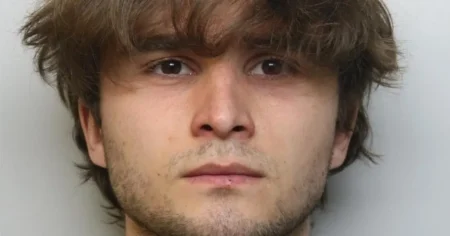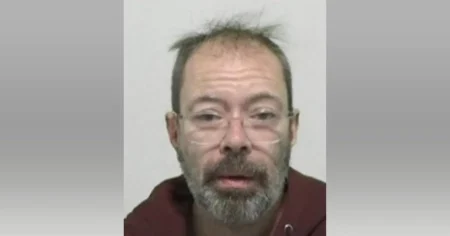

RAF Fairford is not the kind of place where international intrigue is supposed to happen. Tucked into the flat, green landscape of Gloucestershire, near the quiet villages of Whelford and Kempsford, it looks like a corner of England that time has gently passed by. But in late September, all of that changed. Three white vans were spotted near the base’s safety perimeter, a farmer reported seeing hooded and masked men running into nearby woods, and suddenly this sleepy stretch of countryside was at the centre of a live counter-terrorism investigation. Now, in a dramatic new twist, two men have been re-arrested over their alleged involvement in a suspected plot connected to the base. Police have confirmed that the men, one a 24-year-old British national and the other a 25-year-old dual UK/Iranian national, both from London, are being held on suspicion of assisting a foreign intelligence service—and that the country in question is Iran. For the people who live around Fairford, the news has been deeply unsettling. This is not a story playing out in some distant, anonymous location; it is happening in their fields, on their roads, and in the skies above their homes. The re-arrests are a stark reminder that national security threats can surface anywhere, even in the most peaceful of settings, and that the investigation, which has already gripped the country, is far from over.
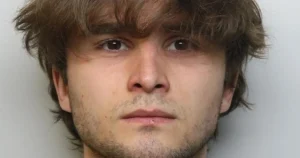
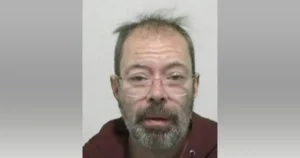
The timeline of the arrests helps to show just how fast-moving and complex this case has become. The first arrest came on Sunday, 27 September, when the 24-year-old British man was detained near RAF Fairford itself. The second came on Thursday, 1 October, when the 25-year-old dual UK/Iranian national was arrested in the Borough of Westminster, London. Both men were initially held as part of a wider investigation, and both were later released on bail. But earlier today, in what police described as a significant development, they were re-arrested for offences relating to Section 3 of the National Security Act—which specifically covers assisting a foreign intelligence service. This is not a minor charge. It suggests that investigators believe the men may have been actively helping a foreign power, rather than simply behaving suspiciously or being in the wrong place at the wrong time. The fact that the investigation relates to Iran adds a layer of diplomatic and geopolitical gravity to an already serious situation. So far, seven men have been arrested in connection with the investigation. The other five remain on police bail, meaning they have been released pending further inquiries but are still subject to conditions. The re-arrest of the two men indicates that police believe they have gathered enough evidence to take the case a step further, even if the full picture is still emerging.
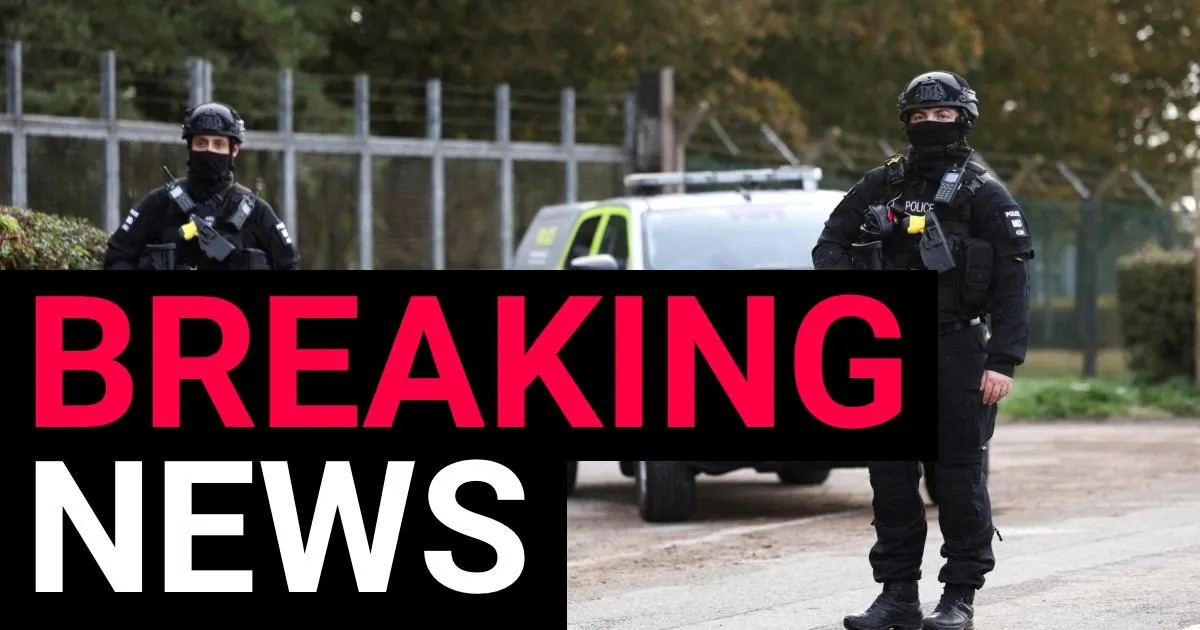
What initially drew public attention to RAF Fairford was a series of unsettling events that seemed more suited to a thriller than a rural county. Three white vans were intercepted near the safety perimeter of the base, which had until recently been housing US fighter jets. Police sealed off large areas, helicopters hovered overhead, and armed officers were deployed across the countryside. A farmer in the area described seeing hooded and masked men running into the woods near the base—an image that understandably terrified locals and sparked widespread speculation. The base itself is strategically significant, with a long history of hosting American military aircraft, and RAF Fairford has been on high alert since the events of 27 September. The surrounding villages of Whelford and Kempsford were suddenly put on the world map, as news crews arrived and social media filled with theories about what might have been planned. The sense of shock was palpable. These are communities where people know their neighbours, where traffic is usually sparse, and where the biggest local news might be a village fête or a farming issue. To see counter-terrorism police swarming across the landscape was almost surreal. Yet the reality is that this part of Gloucestershire has become the focus of a major national security investigation, and the re-arrests have only deepened the sense that something significant was underway.
Police have been careful not to reveal too much, but they have been clear that they believe Iran is involved. Assistant Commissioner Laurence Taylor, the head of National Counter Terrorism Policing in the UK, has been the public face of the investigation, and his words carry a heavy weight. He described the events at RAF Fairford as the beginning of a “hugely complex investigation” and said specialist teams had been working tirelessly to interrogate the many lines of enquiry. He confirmed that two men had been re-arrested under the National Security Act, and he did not shy away from the central conclusion of the investigation so far. “This is very much a live investigation, and our evidence gathering continues,” he said, adding that at this time the position remains the same: police consider it highly likely that there is Iranian state involvement. He went on to say that investigators are continuing to examine what that level of involvement was and the ambition behind it. His statement was measured, but the implications are enormous. If Iranian state involvement is confirmed, it would represent a major escalation in the ongoing tensions between the UK and Iran, and it would raise serious questions about foreign interference on British soil. Taylor also acknowledged the public’s frustration, noting that national security investigations take time because of their sensitive nature, and that the priority is to uphold the integrity of the investigation and hold those who wish to harm the country accountable. His appeal for patience was understandable, but it does little to ease the anxiety of a community that remains in the spotlight.
The diplomatic reaction from Iran has been swift and dismissive. Iranian Foreign Minister Abbas Araghchi responded to the accusations by suggesting that the UK was “barking up the wrong tree,” a phrase that sought to dismiss the investigation as misguided or politically motivated. His comments came after British leaders first pointed the finger at Iran, and they reflect the deep hostility that now characterises relations between the two countries. In a social media post, Araghchi added that Iran’s belief concerning the release of supposed terrorists working for foreign states “really says it all,” a cryptic remark that appeared to suggest Tehran sees the British accusations as hypocrisy. Whatever the exact meaning of his words, the tone was unmistakable: Iran is not going to accept these allegations quietly. This is a diplomatic standoff playing out in parallel with the criminal investigation, and it adds another layer of tension to an already charged situation. For the police, the focus remains on gathering evidence and ensuring that anyone who assisted a foreign intelligence service is brought to justice. But for the rest of the country, the affair raises uncomfortable questions about espionage, foreign influence, and the vulnerability of military installations. The UK has long suspected Iran of conducting hostile operations on British soil, and this case will only intensify that concern.
For the residents of Whelford, Kempsford, and the surrounding areas, the last few weeks have been an anxious and invasive experience. The arrival of police, journalists, and curious onlookers has turned their quiet world upside down. The re-arrests mean that the story is not going away anytime soon, and neither is the sense of unease. People want answers: What were the men planning? Was RAF Fairford the intended target? How far did Iranian involvement go? And, most importantly, is the threat over? Police have said they will share more information when they are in a position to do so, but for now, the investigation remains shrouded in secrecy. What can be said is that this is a watershed moment for the community and for the country. It has shown that even the most peaceful corners of Britain can become the setting for international intrigue, and that the work of protecting the nation often happens far from the public eye. The men who have been re-arrested now face a serious legal process, and the five others on bail will be waiting nervously to learn their fate. But beyond the legal details, there is a human story here—of a rural community shaken out of its routine, of officers working around the clock, and of a nation forced to confront the reality of foreign interference. The fields around RAF Fairford may be quiet again, but the echoes of that September day will last for a long time. For now, the investigation continues, and with it, the hope that the truth will eventually emerge—and that those responsible will be held accountable.